What will it take to bring electricity to 300 million people in Africa who currently live without it? This is the goal we’ve set for Mission 300—to halve the number of people on the continent without reliable electricity by 2030. But setting a goal is just the spark. We need a full-blown power surge of bold reforms, investments, and an enabling environment for sustainable, scalable, and affordable energy solutions.
Continue readingTag Archives: Renewable Energy
Heads of State Commit to Concrete Plans to Transform Africa’s Energy Sector, with Strong Backing from Global Partners
DAR ES SALAAM, January 28, 2025 — Thirty African Heads of State and governments today committed to concrete reforms and actions to expand access to reliable, affordable, and sustainable electricity to power economic growth, improve quality of life, and drive job creation across the continent.
Continue readingPower for progress: a call from African leaders and partners to electrify Africa
For many of us, the simple act of flipping a switch to light up our homes or power our devices are taken for granted. Electricity fuels modern progress—it powers hospitals and schools, enables businesses, and connects us to the world.
Continue reading
eC2: Technical Assistance on Clean and Energy Efficient cooling solutions for Livestock Supply Chains
Deadline:
12-Jan-2021 at 11:59:59 PM (Eastern Time – Washington D.C.)
Specific activities include: (1) conduct a market needs assessment of cold chain infrastructure and logistics in livestock value chains in Bangladesh, by assessing gaps and needs among different user groups, and identifying adapted technical, management and institutional solutions; and (2) develop policy and practical guidance notes to enable policy action and support the design of investment in clean and efficient cooling and along livestock value chains.
eC2: RESILIENT HYDROPOWER & DISASTER RISK MANAGEMENT IN NEPAL ARUN VALLEY
Deadline: 31-Dec-2020 at 11:59:59 PM (Eastern Time – Washington D.C.) 
The World Bank is currently funding the feasibility study and detailed design of the Upper Arun Project Hydropower Project in eastern Nepal. As part of its due diligence, the Bank team wishes to hire an international consulting firm with a multi disciplinary team to commission a study to consider ways that the policy, institutional and planning framework can incorporate climate change and disaster risk into the hydropower sector in the Arun Valley in Nepal. The study will be funded by trust funds for a fixed lump sum contract. The multi-disciplinary team will consist of experienced international experts in disaster risk management, remote sensing, seismic risk assessment, regional geology, geomorphology, hydrological risks, sediment management, geohazards (including glacial hazards), climate change, community management and disaster risk management capable of undertaking a comprehensive integrated geohazard assessment.
eC2: Evaluation of the Scaling-up Renewable Energy Program in Low-income Countries (SREP) in the Climate Investment Funds
Deadline: 12-Jan-2021 at 11:59:59 PM (Eastern Time – Washington D.C.) 
The purpose of this evaluation is to strengthen current and future programming in SREP and other prospective CIF programs, as well as other global efforts, through the identification of relevant lessons and good practices for advancing low-carbon energy access in low-income countries.
eC2:Renewable Energy Competitive Bidding Strategy
Deadline: 07-Oct-2019 at 11:59:59 PM (Eastern Time – Washington D.C.)
Scope of Work
The assignment has four components:
(i) Develop RE Competitive Bidding Strategy, including volume and timeline recommendations, type of bidding, roles of key agencies, and ensuring maximum economic benefit over the long-term;
(ii) Procurement Framework for Competitive Bidding, including consideration of qualification requirements, winner selection process, and sellers liabilities;
(iii) Stakeholder Consultations and Capacity Building, including regular workshops, briefings, and other engagement to ensure that all key federal and provincial agencies, and private sector developers and investors, are consulted regularly;
(iv) RE Competitive Bidding Action Plan, including a capacity assessment of key agencies, communication strategy, and immediate next steps for implementation.
eC2: Improved Renewable Energy Integration and Electricity Services through Battery Storage in Distribution Network – TPDDL
Deadline: 25-Sep-2019 at 11:59:59 PM (Eastern Time – Washington D.C.)
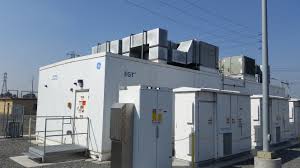
Battery electric storage systems (BESS) are increasingly being used for power system applications such as grid stabilization, load shifting, grid operational support, power quality improvement, reliability management and enhancing rooftop solar hosting capability. The BESSs could also perform an important role in providing arbitrage and increasing the value of renewable energy resources. The benefits that electric storage systems bring in are, namely: electric energy time shift or energy arbitrage, frequency regulation, voltage and reactive power support, Peak /congestion management, Technical loss reduction and asset life enhancement, distribution upgrade deferral, spinning, non-spinning, and supplemental (black start) reserves, power quality improvement, power reliability improvement and demand charge management. BESS systems at the distribution level may displace diesel gensets which commonly backstop system reliability.
eC2: Renewable Energy and Storage Development in Zanzibar
Deadline: 27-May-2019 at 11:59:59 PM (Eastern Time – Washington D.C.)
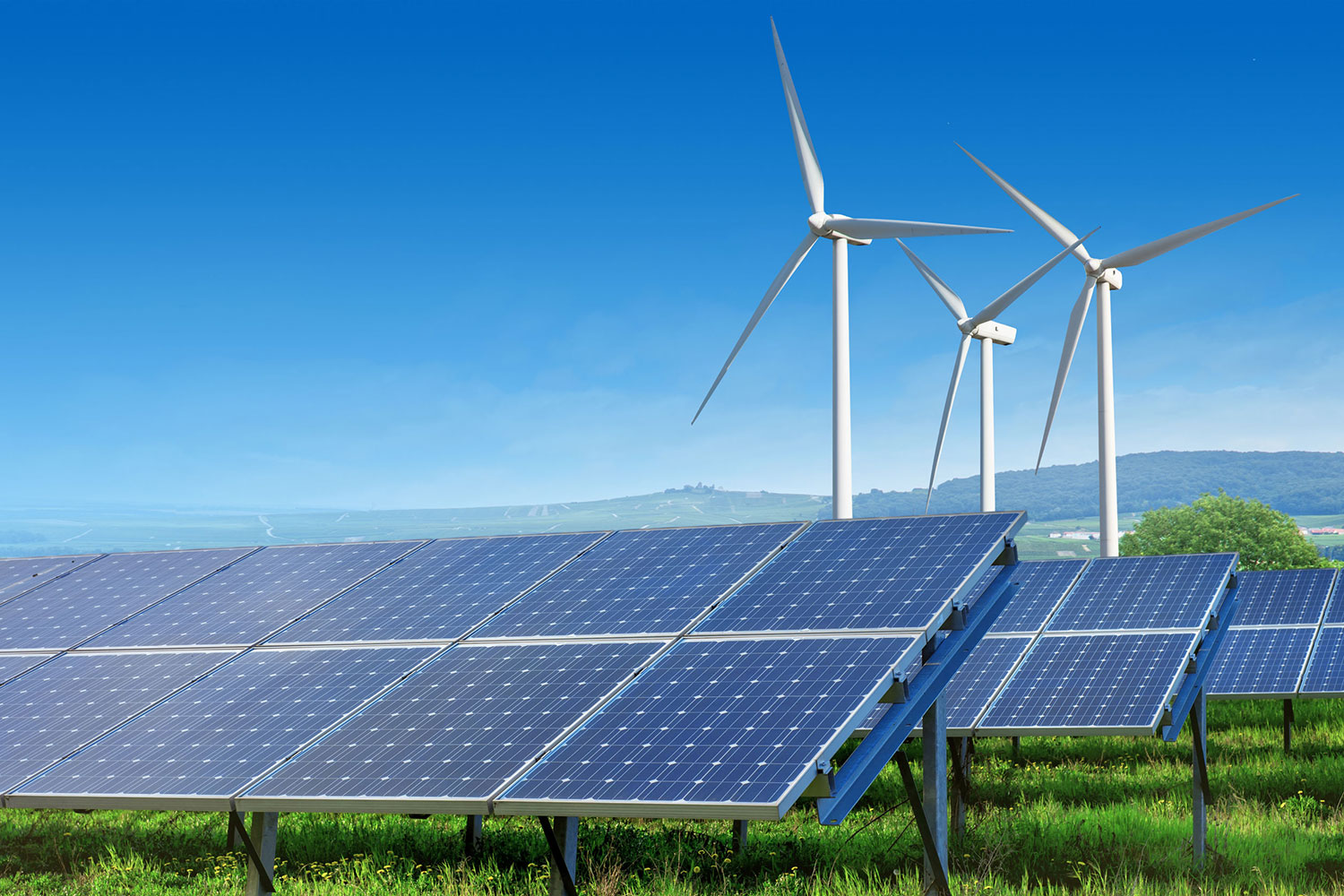
The objective of this work is to enable the integration of variable renewable energy (VRE) and battery storage into the Zanzibar electricity grid, thereby contributing to the Revolutionary Government of Zanzibars (RGOZ) efforts in energy security, diversification of supply options and financial and operational sustainability. The study will provide guidance to Zanzibar on the techno-economic underpinnings for developing and integrating variable renewable energy technologies into the power system, and the possible implications on structuring of the ownership of storage and solar as a PPP.
Continue reading
This is What it’s All About: Boosting Renewable Energy in Africa
This story is part of a series that will run ahead of the third edition of the One Planet
Summit which will take place in Nairobi, Kenya, on March 14, 2019. The Summit will bring together global leaders, entrepreneurs, international organizations, and civil society, to help accelerate and focus attention on climate investments in line with the Paris Agreement objectives. The Summit will focus on promoting renewable energies, fostering resilience and adaptation and protecting biodiversity in Africa. Follow #OnePlanet for live updates and tune in live on March 14.


You must be logged in to post a comment.