
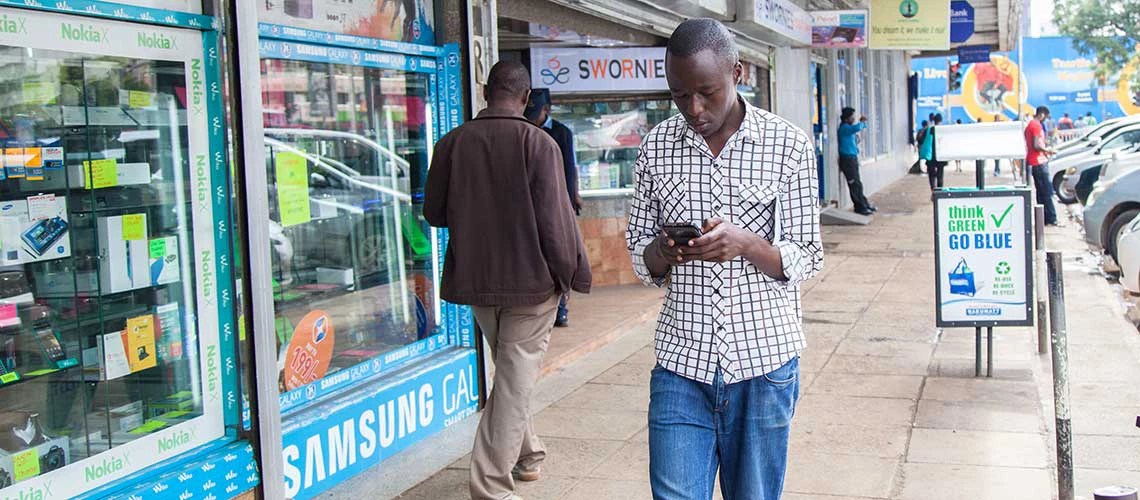
Jobs are the surest way to end poverty and give people hope for a better future. That’s why countries need to build economies that unlock opportunities for people and convert growth into local jobs.
Yet household survey data across dozens of countries reveal a stubborn obstacle: the world’s poorest people remain disconnected from the digital tools that now underpin labor markets, agricultural productivity, and economic mobility. Digital technologies cannot reduce poverty if they bypass the people who need them the most.
Continue reading
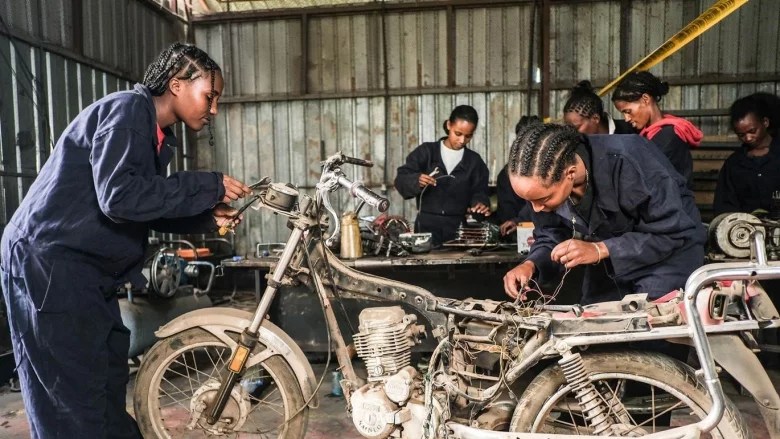

 it’s the poorest communities that are often hardest hit and the most challenging to support.
  prosperity on a livable planet. This report offers the first post-pandemic assessment of global progress toward these interlinked goals, and explores potential pathways out of today’s polycrisis – an environment where multiple and interconnected challenges are impacting the world simultaneously. The report’s messages are presented around progress in terms of the goals, pathways to move forward, and priorities depending on where countries stand on the interlinked goals.
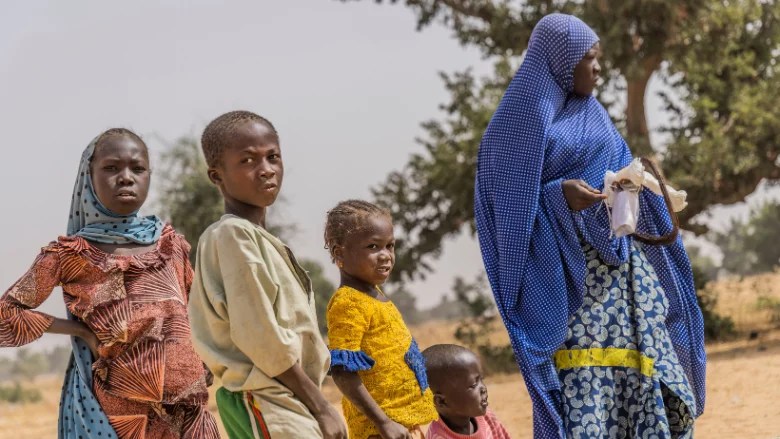 jointly by the World Bank and UNICEF, presents estimated trends in child poverty from 2013 to 2022, based on three international poverty lines: $2.15 (extreme poverty), $3.65 (lower middle income), and $6.85 (upper middle income). The estimates show that:
 Netherlands for the World Bank
You must be logged in to post a comment.