
Over the past 15 years, even as incomes have risen and poverty has declined, nearly two-thirds of low- and middle-income countries have experienced setbacks in nutrition, learning, or workforce skills.
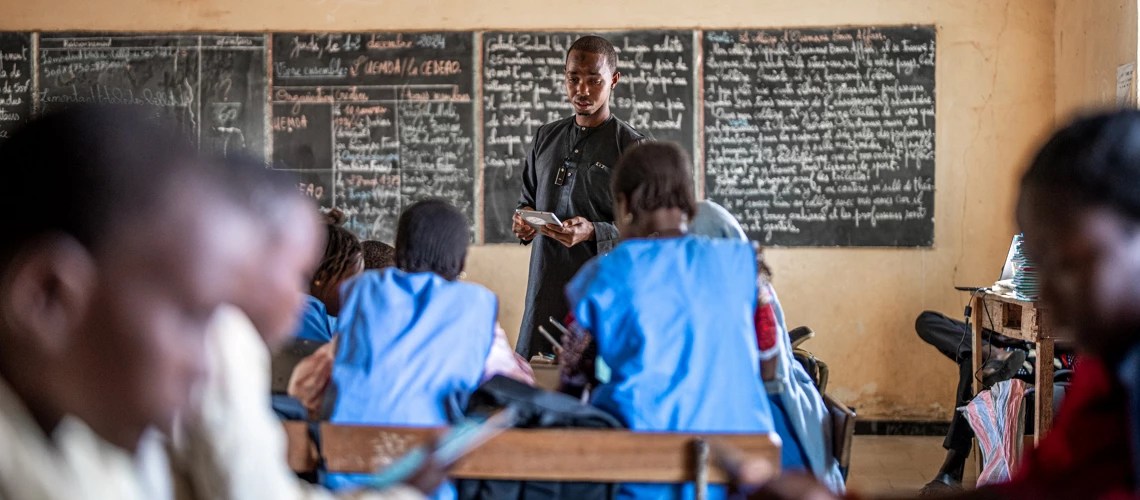
Among all low- and middle-income countries, gaps in these outcomes from what should be achievable are large, and the potential cost is cause for alarm: an estimated 51 percent loss in future earnings. Behind this number are children growing up with fewer opportunities to thrive, families struggling to secure a stable future, and communities at risk of losing hard-won social gains.
Continue reading


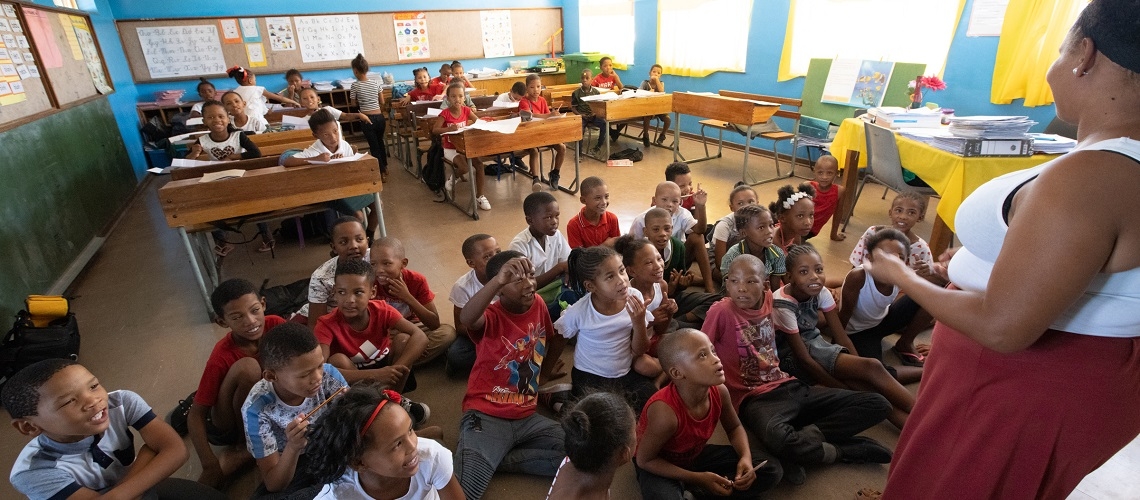 the least to contribute to global emissions historically and poorer people within countries emit less than their rich neighbors. Nonetheless, poorer countries and poorer people are more vulnerable to climate impacts. They tend to be more exposed to climate change impacts, for instance living in places exposed to floods, working in occupations like agriculture, or lacking access to improved water and sanitation. And they have fewer resources to adapt and invest in protecting themselves.
  Netherlands for the World Bank
You must be logged in to post a comment.