
IFC Insights
Stormy Waters for Business in Emerging Markets
As the sun set on the Landwasser valley in eastern Switzerland and this year’s World Econonomic Forum (WEF) Annual Meeting in Davos, government, business, and civil society leaders from across the globe headed home to promote the forum’s mandate of bold collective action to address ongoing crises.


 sat down with Bernice van Bronkhorst, the Bank’s Global Director for Climate Change; Genevieve Connors, Practice Manager, Climate Change Advisory and Operations; Vivek Pathak, Director and Global Head of Climate Business at IFC; and Merli Baroudi, Director of Economics and Sustainability at MIGA.
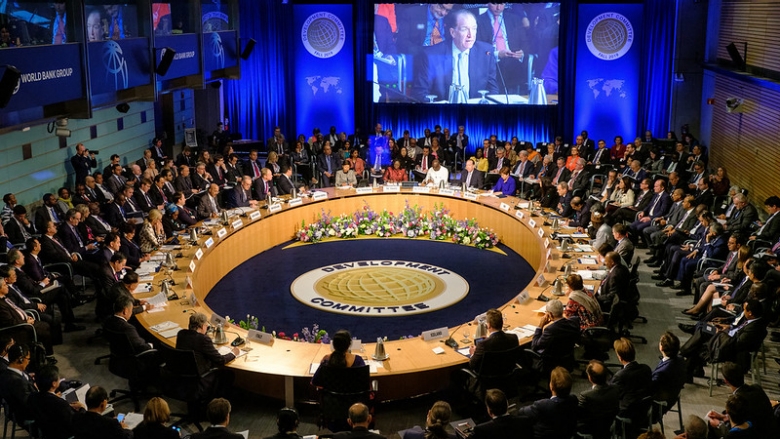 downside risks persisting due to policy uncertainty, trade tensions, financial volatility, and rising debt. The World Bank Group, in cooperation with the International Monetary Fund, can help emerging and low-income countries bolster potential growth, increase their resilience to shocks, boost domestic revenues, and continue building policy buffers. The two organizations have an important role to play in addressing the increase in debt vulnerabilities, and they can help countries meet a range of challenges to the international financial system, including tackling corruption.
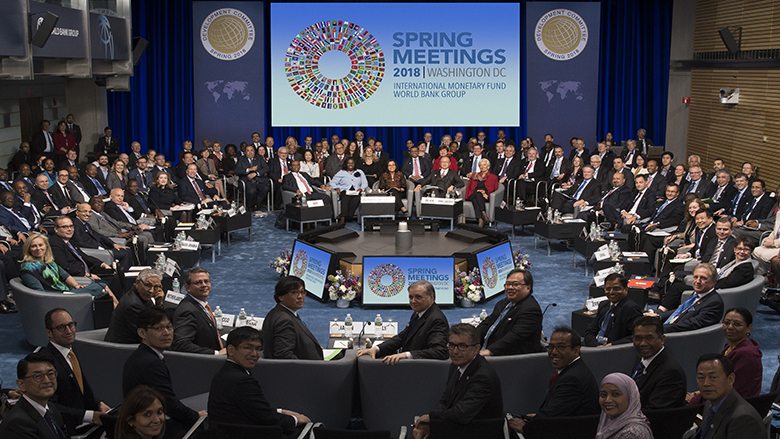 Despite expectations that growth will be robust in the near term, developing countries face challenges to keep up the pace of progress and ensure inclusive, sustainable growth amid structural changes to the global economy. The World Bank Group is uniquely placed to address global challenges and help countries achieve their goals in today’s increasingly complex development landscape.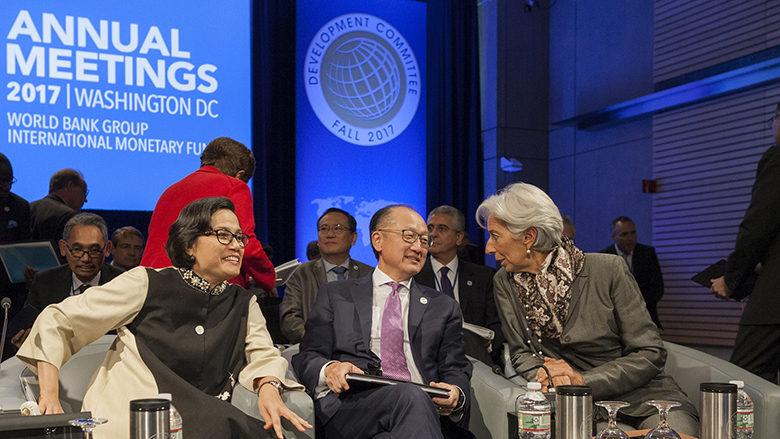
 give a presentation about their activities. MIGA contributes to the World Bank Group’s goals of ending extreme poverty and promoting shared prosperity by facilitating private investment into developing member countries and supporting projects that bring broad developmental impact. MIGA-supported investments help bring jobs, innovation, technology, and skills transfer.
 Netherlands for the World Bank
You must be logged in to post a comment.