
Deadline: 20-Jun-2022 at 11:59:59 PM (Eastern Time – Washington D.C.)
Vietnam is one of the most vulnerable countries in the world to climate change. Given Vietnams concentration of both population and industry in low-lying coastal areas and river
deltas, sea level rise poses a particular risk to continued development in the country.
The World Bank East Asia and the Pacific (EAP1) is conducting a Study on Climate and Natural Hazard-Induced Migration in Vietnam. The objective of the research is to better understand how vulnerable population groups in urban and rural settings projected to see high climate induced in- and out-migration are particularly (and differently) affected by climate change, what adaptation measures are currently being employed, and what policy makers and government programs might do to reduce barriers or facilitate opportunities for more effective and inclusive adaptation to climate change. In so doing, the research would help to better understand and respond to disaster risks, to reduce the number of people adversely affected by disasters, and to promote adaptation that leverages community resilience. The World Bank East Asia and the Pacific (EAP1) is looking for a qualified and experienced research firm or organization based in Vietnam to carry out the analytical work. If you encounter technical difficulties while uploading documents, please send an e-mail to the Help Desk at wbgeconsultant@worldbank.org.

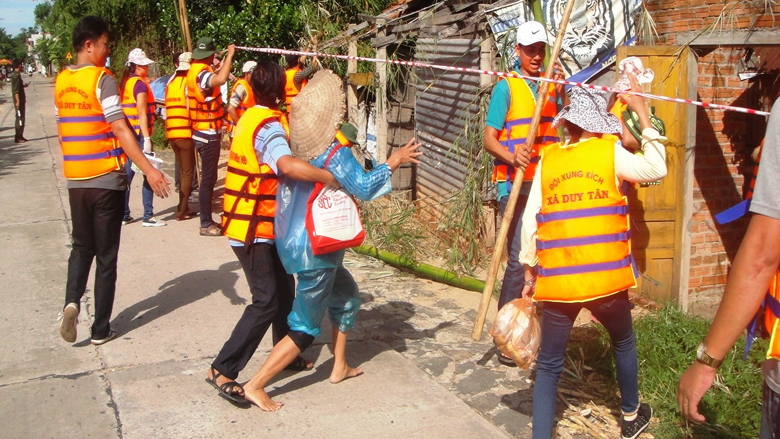

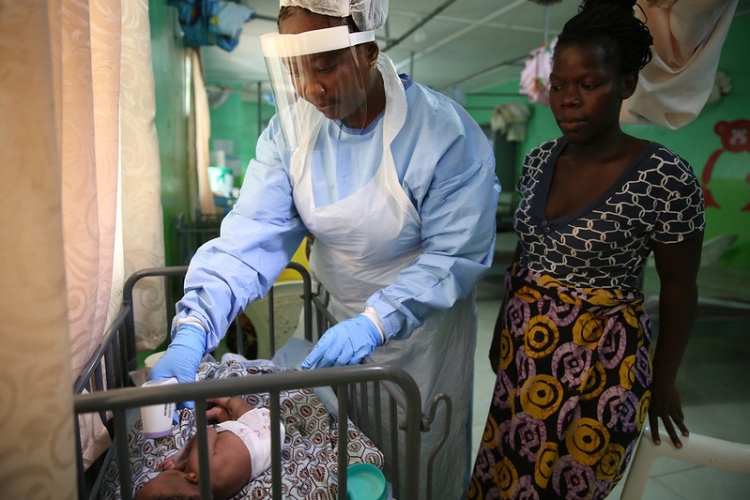 empowerment can contribute to an inclusive, resilient, and sustainable recovery.
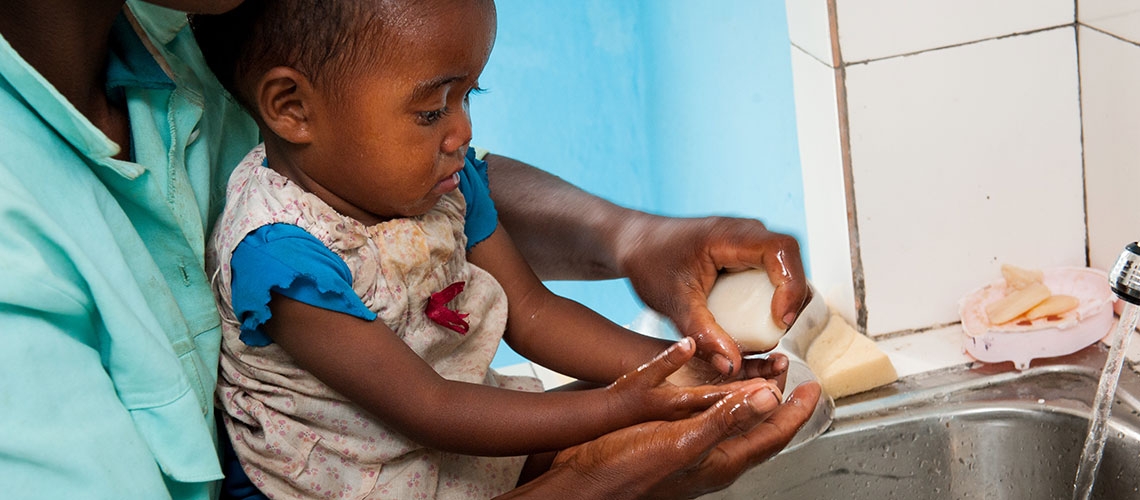 shuttered for the foreseeable future, the health, education, and overall well being of the Malagasy people are increasingly at risk. As the pandemic hits more and more countries, the World Bank Group and other organizations like ours are stepping up to provide immediate support to countries in order to quickly get resources to the front lines of fighting this disease.
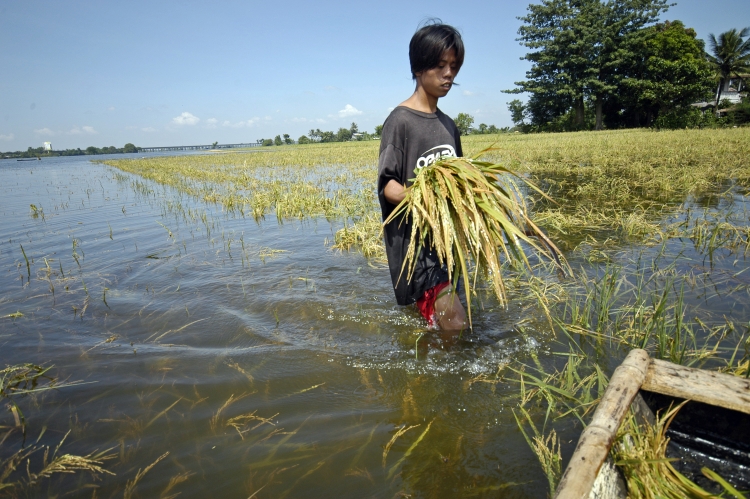 annual meetings when our group, visitors from more than 189 countries along with Indonesians on the island and neighboring communities were acutely woken up at dawn with magnitude 6.4 quake that struck off the coast. Early reports by the National Disaster Mitigation Agency indicated extensive damage to infrastructure and loss of lives in the span of a few minutes. The Indonesian response that followed revealed the difference disaster risk finance can bring to families, economies and societies at large. I was humbled by what I experienced and what we can contribute -as an institution together with our partners- to manage these acute disasters more prudently, effectively and humanely.

You must be logged in to post a comment.