
Faced with the urgency of climate change, many countries are embracing policies to tackle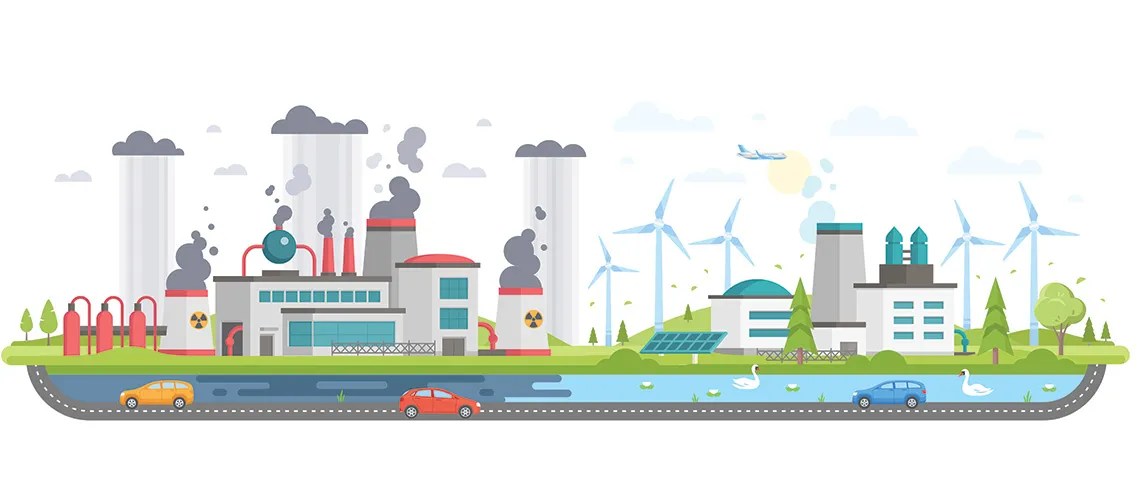 it. However, these policies are not only reshaping the landscape of global trade flows but also risking further fragmentation and inequality. One challenge concerns the consequences for low-income countries that rely on export-led growth and especially their Small and Medium-sized Enterprises (SMEs) part of global supply chains.
Tag Archives: Financing
Global Economy Set for Weakest Half-Decade Performance in 30 Years
Reforms to boost investment and strengthen fiscal policy could help turn the tide
WASHINGTON, Jan. 9, 2024— As the world nears the midpoint of what was intended to be a transformative decade for development, the global economy is set to rack up a sorry record by the end of 2024 —the slowest half-decade of GDP growth in 30 years, according to the World Bank’s latest Global Economic Prospects report.
Unlocking new crisis response tools to build a more resilient future
The world is facing a perfect storm of intertwined challenges—from the intensifying climate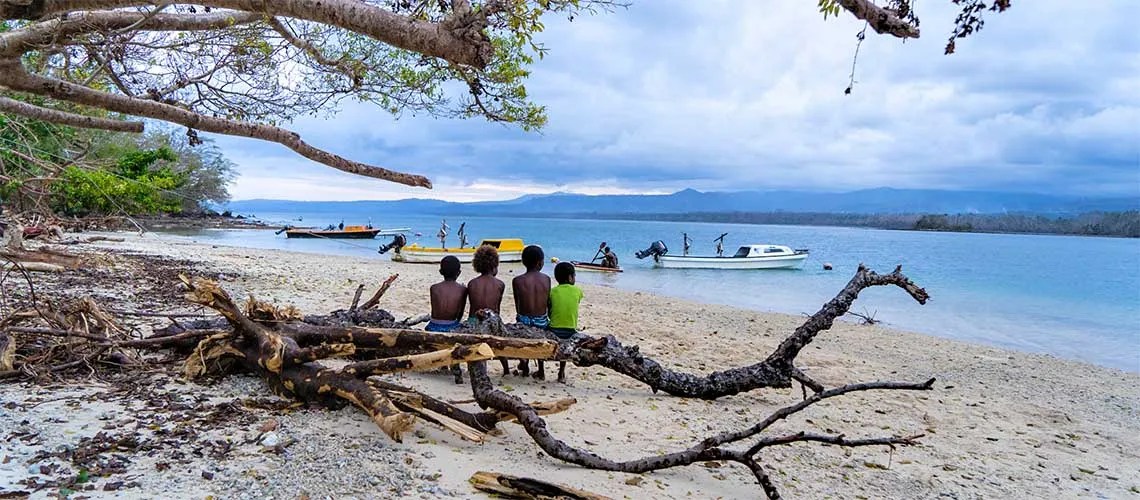 impacts and growing pandemic risks to deepening conflicts and the slowest half-decade of gross domestic product growth in 30 years. These overlapping crises are not only a “new normal” for countries, but also pose an unprecedented threat to poverty reduction and economic development, making it harder for families to put food on the table, send their children to school, and cope with worsening natural disasters. The past three years have made one thing clear: we can no longer afford to treat crises as surprises. Developing countries need more and better tools to manage the multiplying challenges they face. .
World Bank Group Expands Its Crisis Toolkit to Empower Countries Amid Intertwined Crises
February 1, 2024 —The World Bank today approved a suite of groundbreaking tools to help developing countries better respond to crises and strengthen preparedness for future shocks. These new tools will further expand the Crisis Preparedness and Response Toolkit unveiled recently, empowering nations in a world where crises have become the “new normal,” driving impactful development, and ultimately contributing to creating a world free of poverty on a livable planet.
The expanded Crisis Toolkit fills gaps based on lessons learned from previous crisis response and substantially expands tools available to countries to ensure comprehensive protection in times of crisis. The newest tools will offer countries:
Continue readingWorld Bank Group Expands Its Crisis Toolkit to Empower Countries Amid Intertwined Crises
February 1, 2024 —The World Bank today approved a suite of groundbreaking tools to help developing countries better respond to crises and strengthen preparedness for future shocks. These new tools will further expand the Crisis Preparedness and Response Toolkit unveiled recently, empowering nations in a world where crises have become the “new normal,” driving impactful development, and ultimately contributing to creating a world free of poverty on a livable planet.
The expanded Crisis Toolkit fills gaps based on lessons learned from previous crisis response and substantially expands tools available to countries to ensure comprehensive protection in times of crisis. The newest tools will offer countries:
Fast access to cash for emergency response, which will be done through flexible resource reallocation. This will include the Rapid Response Option, allowing countries to quickly repurpose a portion of their unused Bank financing across their portfolio to address emergency needs when a crisis occurs. For instance, in the event of a hurricane, a government will have the capability to efficiently repurpose undisbursed funds from long-term infrastructure projects like roads and bridges to ensure the immediate availability of food and shelter for its citizens.
Substantially scaled up access to pre-arranged financing for emergency response, strengthening countries’ financial capacity and preparedness for future crises. The Bank will provide new flexibility to help countries put in place more contingent resources in preparation to future crises. It will also expedite access to new financing for budget support when disasters hit. This will equip them with immediately accessible money to manage the impact of a disaster and support their citizens, with fewer trade-offs between their development priorities and emergency financing needs. Countries will undertake crisis preparedness reforms and other institutional strengthening measures to further leverage these new tools, which will foster resilience in the long run.
Expanded catastrophe insurance, offering increased protection against large-scale disasters. Building on existing tools such as catastrophe bonds, the Bank Group will offer all countries the option to embed catastrophe bonds, insurance, and other risk management products into their Bank financing operations. Governments then could be eligible for a payout from an insurance mechanism in the event of a crisis, without having to take on more debt at that time. This approach will mobilize private capital and pass the risks of high-intensity but low-frequency disasters to international reinsurance and capital markets. Working with donors, the Bank Group is also aiming to ensure these insurance products are accessible to lower-income countries.
The new measures will work hand-in-hand with other key components of the expanded Crisis Toolkit. Announced in June, the Climate Resilient Debt Clauses (CRDC) will allow small states to prioritize disaster recovery over debt repayment when catastrophes hit, so they can focus on maintaining access to clean water, food, and power instead of paying loan bills. The Bank Group has expanded the CRDC to cover all existing loans in eligible countries, allowing borrowers to defer interest and fee payments, and enabling fees to be covered by concessional resources.
The World Bank Group is also strengthening support to private sector clients in crisis preparedness and response, enabling businesses to sustain operations and protect jobs, building resilience and long-term sustainability. The International Finance Corporation is designing a private sector-led crisis response solution to help financial institutions mitigate the impact of natural disasters resulting from climate change. The Multilateral Investment Guarantee Agency is working with lenders and the private insurance industry to better integrate the impacts of climate change on loans to the public sector with instruments such as parametric risk insurance.
The World Bank Group has been a steadfast partner to developing countries through crises – from early risk assessments and crisis financing strategies to a diverse array of financial instruments for disaster response. This includes continued support for crisis prevention, preparedness, and resilience through our knowledge agenda, such as our Country Climate and Development Reports (CCDRs) and reflected in the full alignment of financing with the Paris Agreement. The expanded Toolkit marks a major milestone in the World Bank Group’s Evolution, furthering its commitment to better assist countries in the challenging era of crises.
It’s time to mobilize the economic power of women

The world has seldom been in a tighter spot. Across the globe, extreme weather events are becoming more frequent, with greater economic damage, even in the wealthiest countries. Food insecurity is on the rise, and climate change is making it worse. In 2022, about 2.4 billion people—nearly a third of humanity—lacked year-round access to enough safe and nutritious food, with women and girls bearing the brunt: They account for nearly 60 percent of people facing severe hunger.
Continue readingTime to stop referring to the “developing world”
When working in an international financial institution, it is hard to find a document that does not refer to “developing countries” or “the developing world.” (Fortunately, it is now rare to find the term “third world”.) In the World Bank, this concept typically encompasses all 135 countries classified as low- or middle-income, whose 6.7 billion people are home to 84% of the world’s population.
Fireside Chat: World Bank President Ajay Banga
Record IDA Replenishment Essential as Debt Crisis Looms
Highlights:
Low-income countries face a sweeping debt crisis, making it all the more urgent for the IDA21 replenishment to be the largest ever.
Ballooning debt payments are pulling scarce resources from development priorities, threatening hard-won development gains and investment in people and environment.
Private lending to low-income countries has evaporated, leaving the World Bank and other multilateral development banks the lender of last resort for many countries—particularly the poorest.
Can small farmers in Central America export coffee to the European Union?
The European Union (EU) has introduced new legislation to prevent imports of commodities contributing to deforestation. One of the commodities affected is coffee, a key export of Central American countries . Coffee represents 14 percent and 52 percent of total agrifood exports in Guatemala and Honduras respectively, and a fifth of all exported Guatemalan coffee and half of the coffee exported from Honduras are destined to the EU. The new EU regulation is thus very relevant for these two countries, and in particular for their many smallholder coffee producers.
 Netherlands for the World Bank
You must be logged in to post a comment.