
WASHINGTON, November 4, 2025 – Today the World Bank approved the Technical Assistance to the Southern African Power Pool (SAPP) project, also known as RETRADE SAPP, to support increasing and expanding the regional electricity market in the SAPP.
Continue readingTag Archives: ESMAP
Power for progress: a call from African leaders and partners to electrify Africa

For many of us, the simple act of flipping a switch to light up our homes or power our devices are taken for granted. Electricity fuels modern progress—it powers hospitals and schools, enables businesses, and connects us to the world.
Continue reading
Hydrogen for Development Partnership Launch
Transitions at the Heart of the Climate Challenge
STORY HIGHLIGHTS
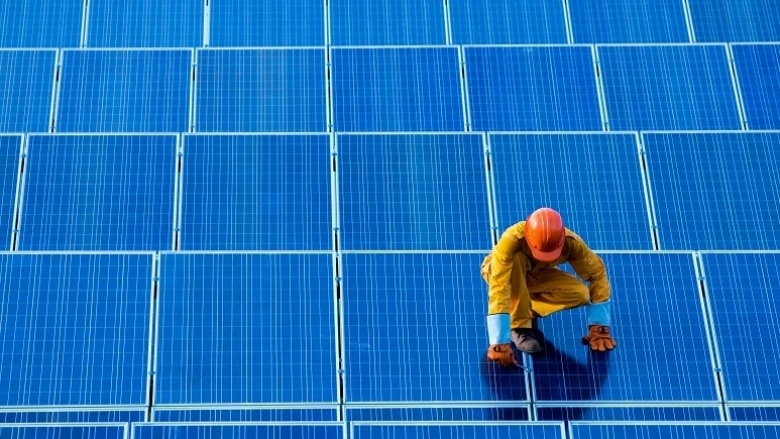
- The World Bank Group is increasing its financing to help countries address the pandemic and climate change, because a sustainable future depends on the decisions countries make today.
- To clean up energy systems, it will be important to drive action on multiple fronts including renewable energy, energy efficiency, and a just transition from coal.
- To tackle food insecurity and protect forests, climate-smart agriculture and nature-based solutions will need to be scaled up.
Imagine a world where farms grow nutritious food and raise healthy livestock without harming the environment. Where every village, town and city are powered by clean energy and cities have safe, affordable, and non-polluting transit systems. Where people have jobs that drive the sustainable growth story of the future. This world is within our reach, but only if we confront the challenges we face today.
eC2: Guidelines to maximize socio-economic benefits triggered by renewable energy deployment
Deadline: 31-Mar-2021 at 11:59:59 PM (Eastern Time – Washington D.C.)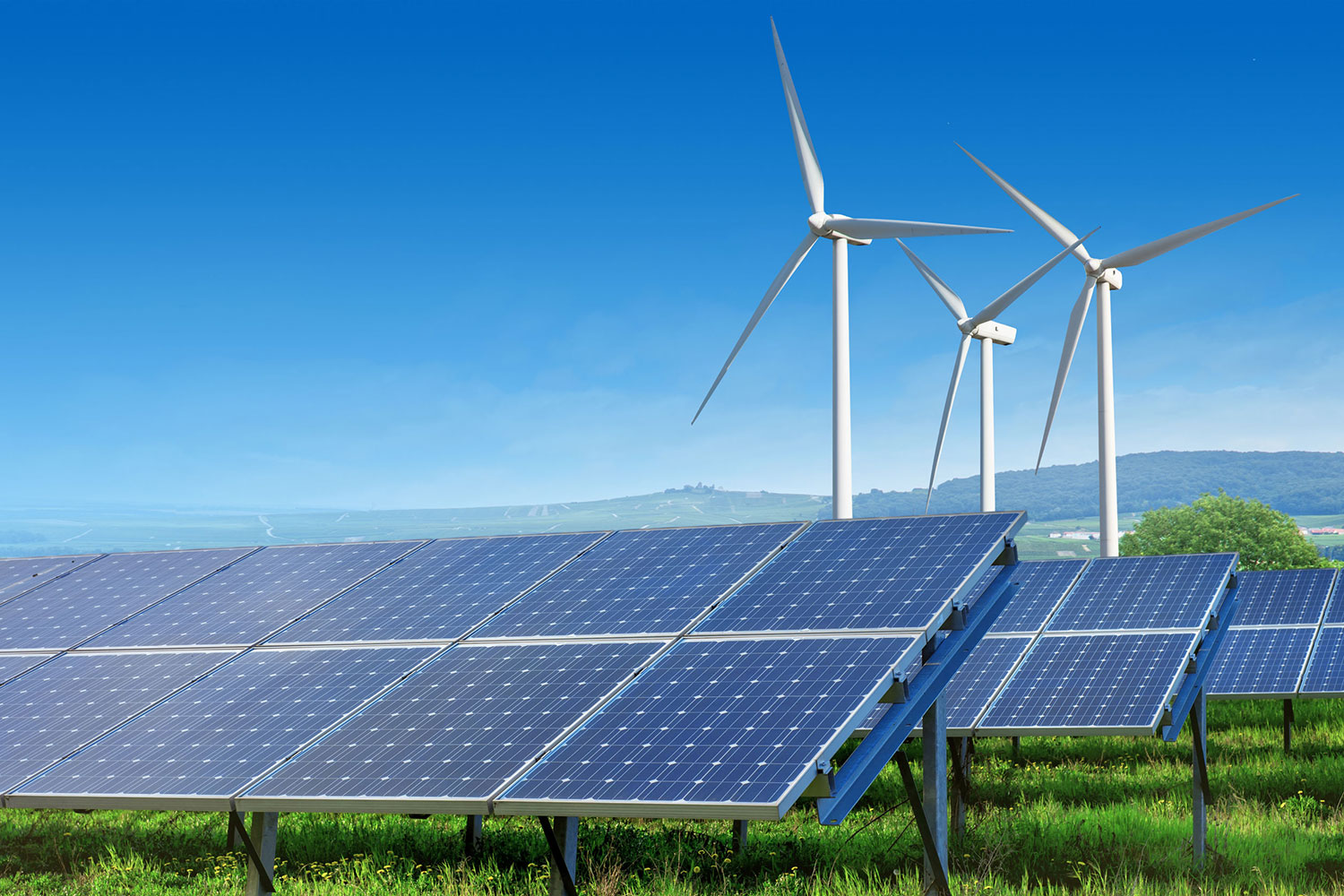
This assignment will support Energy Sector Management Assistance Program (ESMAP) of the World Bank to detail the initial version of the Guidelines for the Sustainable Renewables Risk Mitigation Initiative (SRMI): A Sure Path to Sustainable Solar with the operational guidance for governments on how to maximize socio-economic benefits of renewable energy (RE) while deploying sustainable RE programs. These guidelines will aim at (i) providing an overview of the RE value chain in terms of components/jobs and skills required as well as (ii) articulating the key steps (and identifying the associated entry points) to maximize the socio economic benefits of the RE programs, leveraging the associated bidding processes.
The following technologies are to be considered under this assignment:
Part 1: solar (PV with battery storage and CSP with thermal storage) and onshore wind to be studied in detail during the assignment.
Part 2: geothermal to be incorporated from materials provided by the World Bank.
eC2: Green hydrogen investment opportunities in developing countries
Deadline: 18-Mar-2021 at 11:59:59 PM (Eastern Time – Washington D.C.) 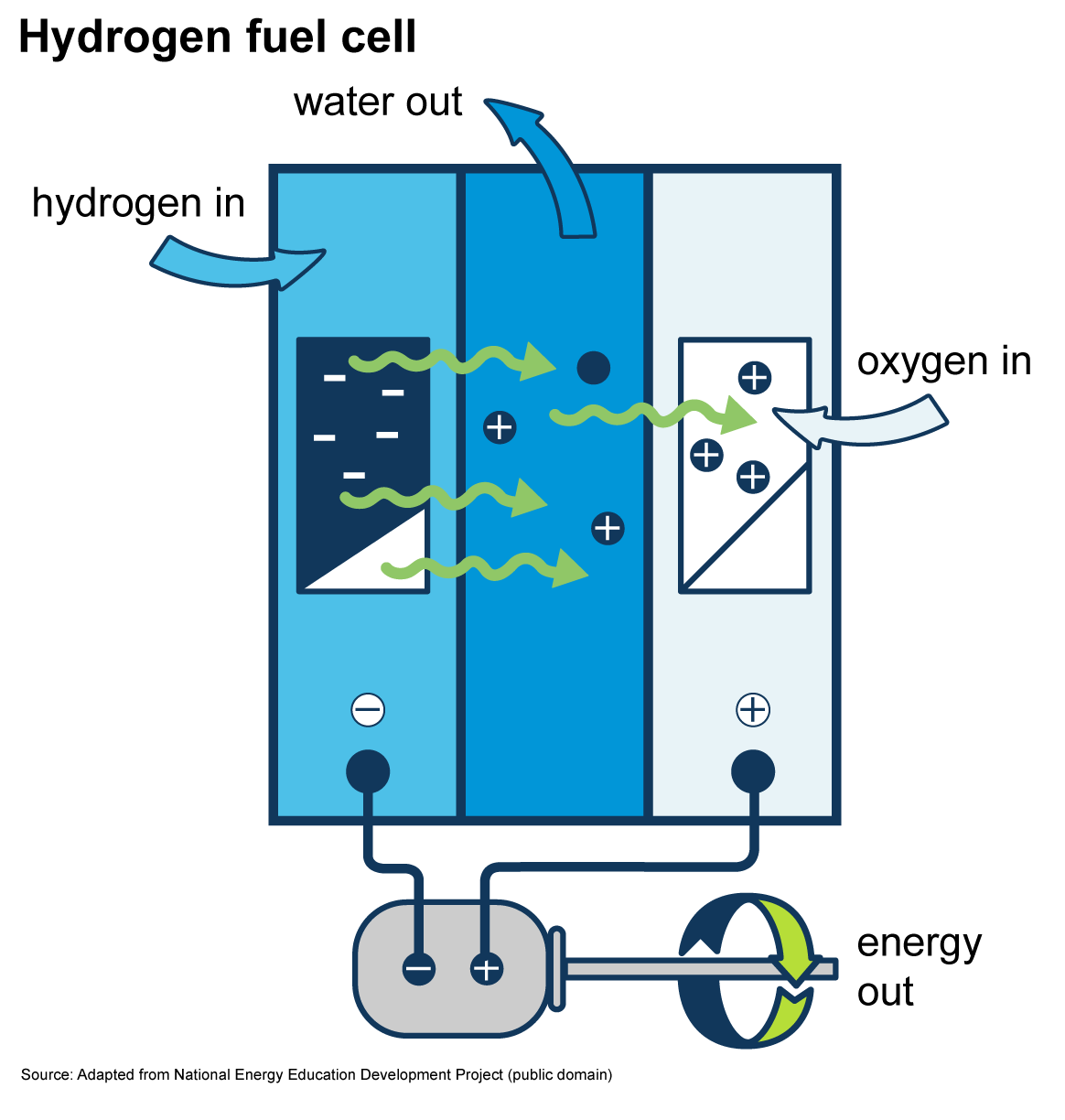
This assignment will support ESMAP and IFC to develop a market report identifying investment opportunities in green hydrogen in developing countries. It will produce an analytical framework to assess green hydrogen investments in different economic sectors that could use green hydrogen or derived fuels as feedstock or energy supply. The Consultant will apply the framework to systematically assess green hydrogen investment opportunities across the full value chain in the industry, agriculture, electric power, heating, and transport sectors. This framework will be based on a straightforward scorecard system, and will be used to identify viable applications, business models, and local players that could benefit from private and public sector support. For each relevant sector, the report will also identify and develop case studies from developing countries.
eC2: Impact of Clean Energy Transition on Job Creation Case Studies
Deadline: 02-Feb-2021 at 11:59:59 PM (Eastern Time – Washington D.C.) 
The Energy Sector Management Assistance Program (ESMAP) at the World Bank, is investigating how the energy transition the transition away from fossil fuels, encompassing the adoption of new technologies and models of service delivery in the sector can contribute to the generation of jobs and support economic activity while advancing the global decarbonization agenda. For a specified set of World Bank energy sector projects, the Consultant will prepare detailed case studies. As part of each case study, the Consultant will trace the set of activities undertaken as part of the project; develop a methodology for estimating jobs created by and as a result of the project, articulating a results chain in the process; and, applying the methodology, estimate the employment impact of the project (jobs numbers and various dimensions of job quality, earnings, etc.). Key findings from the case studies will be summarized in a note.
Continue reading
eC2: Key Factors for Successful Development of Offshore Wind in Emerging Markets
Deadline: 19-Mar-2020 at 11:59:59 PM (Eastern Time – Washington D.C.)
The scope of the assignment shall cover the major topics that need to be considered by  policymakers and regulators when establishing a new market for offshore wind development. These shall include, but not be limited to, the following points:
1. Policy discussion on successful policy measures including drivers, targets;
2. Pre-development geospatial planning and technical studies, including zoning;
3. Stakeholder identification and consultation;
4. Legal key legislation to facilitate project development and delivery;
5. Environmental and social policies to ensure sustainable offshore wind development
6. Health & safety referencing best practice from Europe and related sectors (e.g. oil and gas);
7. Consenting roles and responsibilities between agencies and building public sector capacity;
8. Transmission models for development, financing and ownership of transmission;
9. Grid integration best practice in integration of offshore wind into grids
10. Tariff and bankability offtake mechanisms to ensure bankable revenue;
11. Project solicitation identification of sites, competitive methodologies for awarding rights;
12. Supply chain approaches to support and encourage local supply chain and infrastructure development (e.g. ports);
13. Financing project structures to minimize risk (both on public and private elements)
Full Terms of Reference (TOR) will be included in a future Request for Proposals (RFP) which will be issued to Consultants that are shortlisted from this REOI.
eC2: Technology Innovations in Industrial Decarbonization in Developing Countries – Scoping Study
Deadline: 06-Jan-2020 at 11:59:59 PM (Eastern Time – Washington D.C.) 
The goal of the proposed assignment is, in cooperation with the World Banks Energy Sector Management Assistance Program (ESMAP) team, to produce a comprehensive report on innovative technological solutions for decarbonizing industries in World Bank Group client countries. The report should present the existing innovative solutions for decarbonizing the industrial sector that are on different technology readiness levels (TRL), starting with TRL 3, and show how the WBG operations teams can use those solutions and in which sectors. The report should focus on solutions that have a high green-house gas emissions abatement potential and high scalability in developing countries. For the identified technologies the report should address present costs and any other barriers to deployment, examples of policies/regulations could foster adoption, and experiences from strategies for moving up TRLs. Prospects for future costs decreases also need to be included.
eC2: Communication Strategy for the Energy Sector Management Assistance Program (ESMAP)
Deadline: 27-Nov-2019 at 11:59:59 PM (Eastern Time – Washington D.C.)
In order to strengthen the communications and public affairs work of the World Bank’s Energy Sector Management Assistance Program (ESMAP), a mid-sized, international Communications/PR firm is being recruited to design a public affairs strategy based on a thorough understanding of ESMAPs priority audiences, business objectives, and vision for the next three years. The objectives of this assignment are to help tell ESMAPs story, to bring more visibility to ESMAPs work internationally, and to help ESMAP prioritize its audiences. This contract is expected to last approximately 8 months between January August 2020 and will require ongoing collaboration with various members of the ESMAP team throughout this period.
 Netherlands for the World Bank
You must be logged in to post a comment.