
Nowhere is the impact of recent crises – the lingering economic consequences of COVID-19  and the global spillover effects of Russia’s war in Ukraine – being felt more acutely than in the developing world. People in poor countries are struggling to cope with higher food and fuel prices and unsustainable debt, while schoolchildren are still suffering from learning loss caused by the pandemic. In many places, economic growth has stalled.
Tag Archives: COVID-19
Governing Effectively During Challenging Times
Governments worldwide are facing overlapping crises, including COVID-19, debt, climate change, and conflict, which challenge their ability to provide essential public goods and services to their people, especially the most vulnerable. Fiscal constraints, climate-related disasters, wars, and lack of legitimacy often limit governments’ capacity to act effectively.
Remembering the lessons of COVID-19 to build resilience for future shocks in Europe and Central Asia
From January 2020 until recently, COVID-19 dominated international headlines and our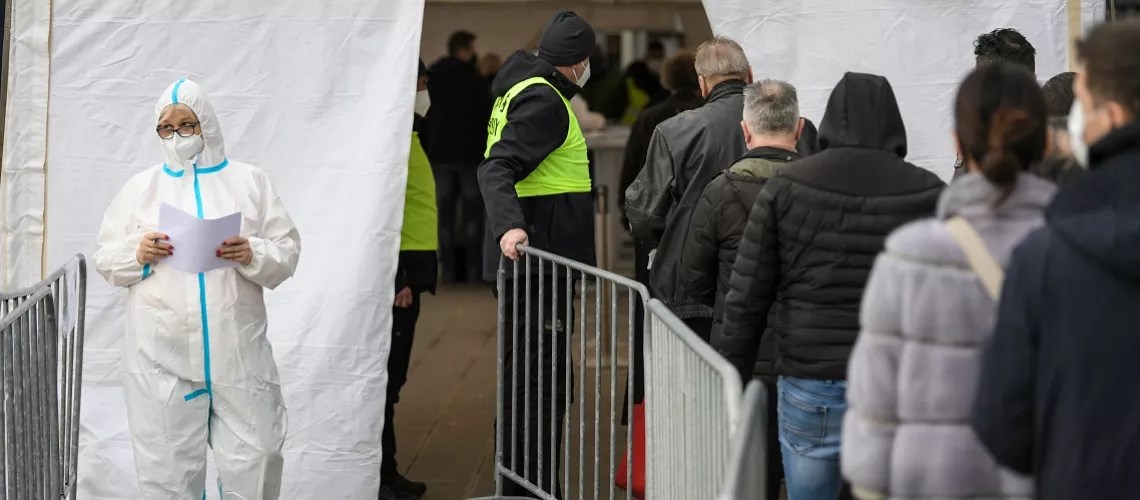 thoughts. Europe and Central Asia were severely hit by COVID-19, facing among the highest excess death rates in the world.
Despite the War, Ukraine Continues Providing Necessary Health Services to Patients
Nina, a middle-aged woman from Chernihiv, Ukraine, was experiencing shortness of breath and could barely walk.
“I would walk two meters and didn’t have the strength anymore. Now, it’s easier to breathe,” says Nina.
Nina’s heart problems were appropriately diagnosed, and she received care at the Chernihiv Oblast Hospital in the fall of 2022.
Collapse & Recovery: How COVID-19 Eroded Human Capital and What to Do About It
COVID-19’s Impact on Young People Risks a Lost Generation
Pandemic Damaged Cognitive Development and Lifetime Earnings of Children and Youth, Jeopardizing the Well-being of Generations and Growth of Economies
WASHINGTON, Feb. 16, 2023 – The COVID-19 pandemic caused a massive collapse in human capital at critical moments in the life cycle, derailing development for millions of children and young people in low- and middle-income countries, according to the first analysis of global data on young people who were under the age of 25 at the onset of the pandemic.
Did you say, “Women and Girls in Science”? Meet Sally, who proves that women can succeed in STEM
STORY HIGHLIGHTS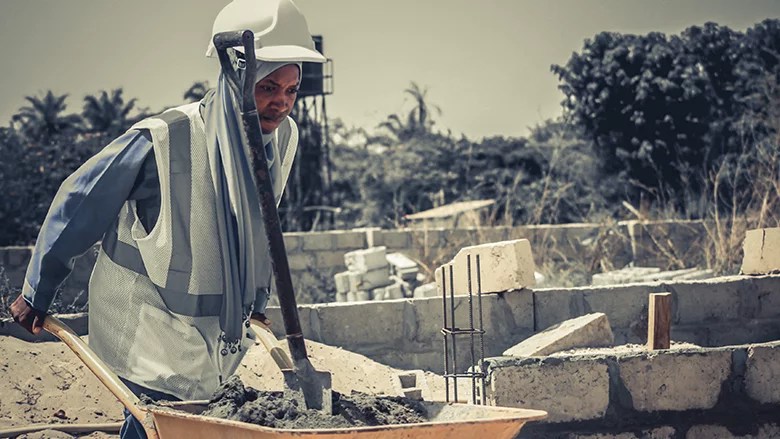
- Promoting women in science is a key focus of the African Higher Education Centers of Excellence (ACE) program, launched in 2014 to support higher skills development in the areas of science, technology, engineering, and mathematics.
- These fields tend to be male dominated, especially in Africa. Across the continent, the ACE program –supported by the World Bank – is more and more attracting female students for whom “science has no gender”.
- Mbassally “Sally” Manneh is one of those “Girls in Science” who has successfully achieved her dream to become an architect. Her story is impressive and interesting.
Preparing now for the next health emergencies
While it is tempting to put the COVID-19 pandemic in the rear-view mirror, now is the time to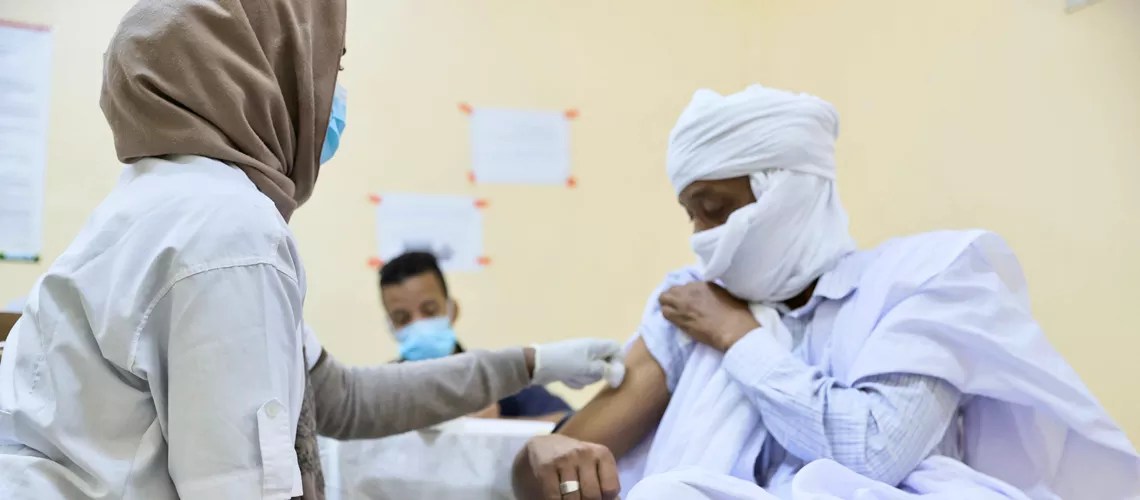 prepare for future public-health crises. Governments should focus on boosting their health systems’ resilience, which includes strengthening prevention and response capacities, improving readiness, and strengthening primary care.
Transforming Education Across Eastern and Southern Africa
Expand Systems, Equip with Skills, Empower All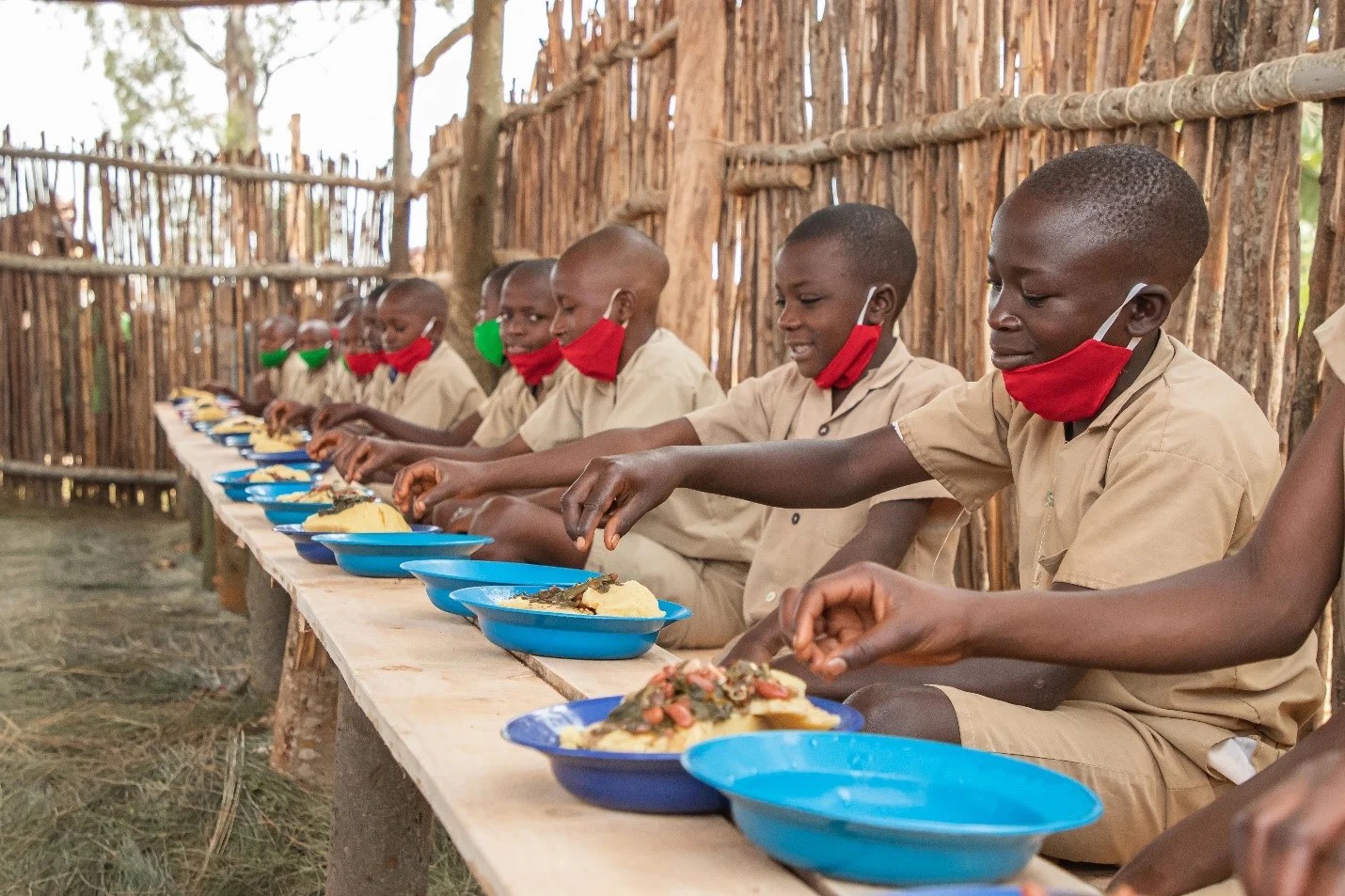 Building forward-thinking systems to turn the tide on learning poverty
In Eastern and Southern Africa, about 89% of ten-year-old children are unable to read and understand a short text, reflecting a high percentage of learning poverty that was exacerbated during the pandemic. Globally, Sub-Saharan Africa continues to have the lowest participation rate in tertiary education despite enrollment doubling globally between 2000 and 2013 across all regions of the world. And in many parts of the region, especially the fragile and conflict-prone countries, societal barriers continue to persist, keeping many girls and boys out of school and preventing women especially from being educated and becoming equal members of society.
Education must remain a political priority in all countries
Today marks International Day of Education. It is a day to mobilize political ambition, actions,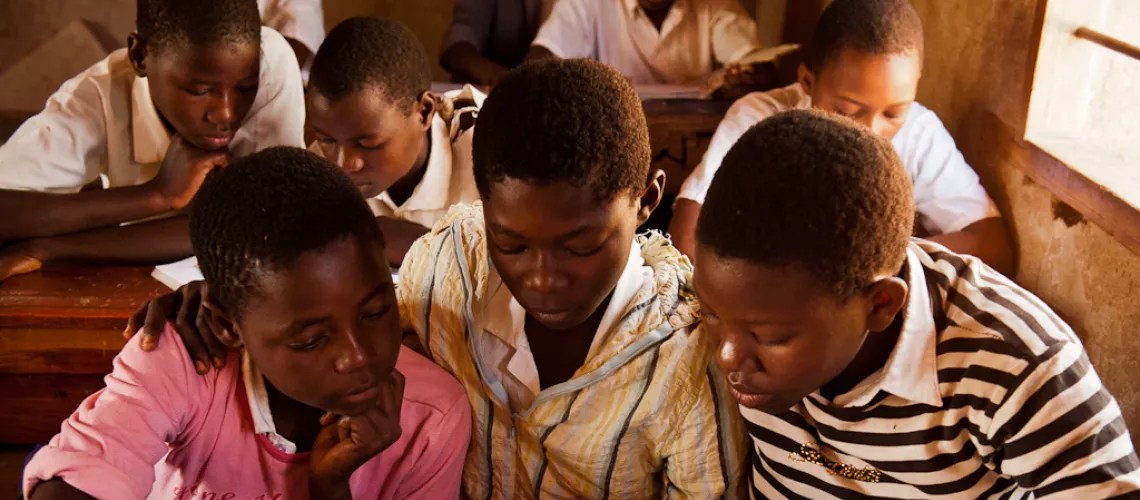 and solutions to recover learning losses due to the pandemic, while recognizing that even before the pandemic, we lived in a learning crisis.
 Netherlands for the World Bank
You must be logged in to post a comment.