
How the private sector is rising to meet the challenges of a global crisis
Across Africa, the private sector is rising to the pressing challenges posed by the 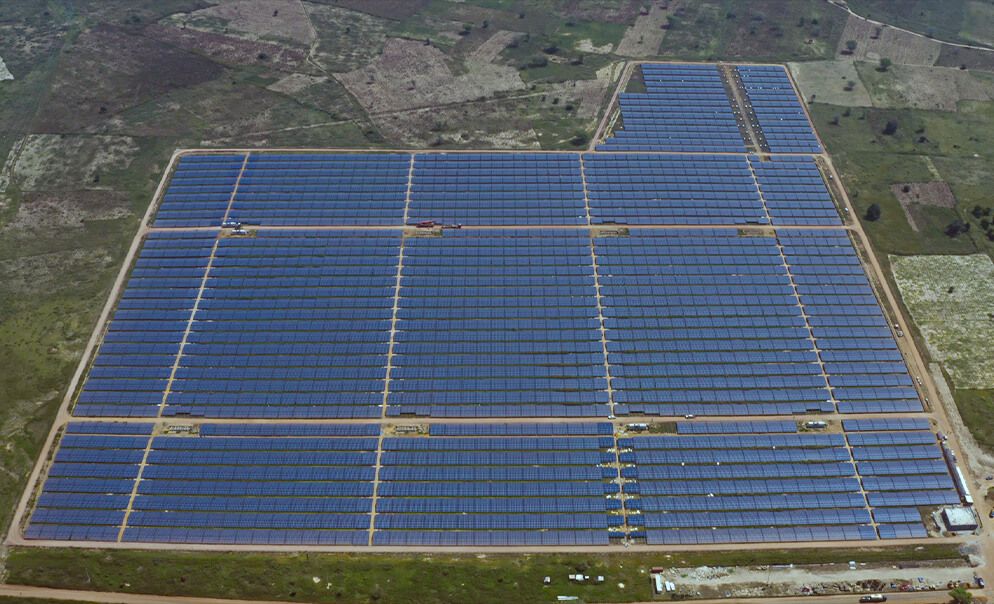 global climate crisis.
From housing and energy to transport and agriculture, businesses on the continent are delivering strategies, technologies, and projects that are reducing the human impact on the environment, while supporting jobs, reducing poverty, and furthering development.
 more restrictive credit conditions. The possibility of more widespread bank turmoil and tighter monetary policy could result in even weaker global growth and lead to financial dislocations in the most vulnerable emerging market and developing economies (EMDEs). Comprehensive policy action is needed to foster macroeconomic and financial stability. Among many EMDEs, and especially in low-income countries, bolstering fiscal sustainability will require generating higher revenues, making spending more efficient, and improving debt management practices. Continued international cooperation is also necessary to tackle climate change, support populations affected by crises and hunger, and provide debt relief where needed.
 sector is doing interesting things.
 depreciation pressures facing developing countries have led to a rise in the number of countries with active parallel currency markets.
  descended upon our lives. It caused unimaginable upheaval—reversing gains and creating colossal new demands. As well-resourced countries worked quickly to protect their people, the World Bank’s
 Netherlands for the World Bank
You must be logged in to post a comment.