
LONDON, July 10 2023 – The World Bank today announced the 15 Chief Executive Officers and Chairs who will make up the Private Sector Investment Lab. The founding members comprise a core group charged with developing solutions to address the barriers to private sector investment in emerging markets. The quality of their individual – and combined – expertise, leadership, and success in business and finance underscores the growing momentum, and level of commitment, for public and private collaboration to address global challenges and urgently scale development solutions.
Tag Archives: climate change
Take-Aways from the Anticorruption for Development Global Forum
Esther Smith – Embassy of the Kingdom of the Netherlands, U.S.A.
In June, the Anticorruption for Development (AC4D) Global Forum was held at the World Bank Group’s headquarters in Washington D.C. Aware of corruption’s high societal and environmental costs, the World Bank has reaffirmed its commitment to anticorruption as a development priority and seeks to foster partnerships with other stakeholders working towards better governance and integrity. Equally important to the Netherlands, the event was co-hosted by the Netherlands Ministry of Foreign Affairs, and well-attended by an audience from all over the world and various organizations.
The Interlocking Challenges of Climate Change and Poverty | The Development Podcast
FEATURING: Richard Damania, Chief Economist for Sustainable Development, World Bank / Roselyn Fosuah Adjei, Director of Climate Change for the Ghana Forestry Commission / Professor Denis Aheto, Director of the Centre for Coastal Management, World Bank Africa Centre of Excellence in Coastal Resilience / Cathy Kamanu, farmer from Kenya.
How do we address climate change, reduce poverty, and boost shared prosperity on a livable planet? Climate change is one of the defining issues of our time, and no country is immune.
On this episode of The Development Podcast, we hone in on voices across Africa about the experience of climate change and how it intersects with poverty, and we hear from the World Bank’s Chief Economist for Sustainable Development in Washington, DC. Tune in as we speak with Cathy Kamamu, a farmer from Kenya, Professor Denis Aheto, Director of the Centre for Coastal Management, World Bank Africa Centre of Excellence in Coastal Resilience, Roselyn Fosuah Adjei, Director of Climate Change for the Ghana Forestry Commission, and Richard Damania, Chief Economist for Sustainable Development at the World Bank.
Tell us what you think of our podcast here >>>. We would love to hear from you!
Mission to Rewrite World Bank Group Playbook Advances with Banga’s Global Tour
WASHINGTON, June 8, 2023—The World Bank Group announced today a months-long global tour for new president Ajay Banga, an early step in his mission to write a new playbook for the 78-year-old institution.
Between now and December 2023, Banga will visit multiple countries in every region where the World Bank Group operates. During the impact-focused tour, Banga will work to reimagine strategic partnerships with other multilateral banks and development organizations, work to identify barriers for private sector investment, deepen the relationships between the World Bank Group and the countries it serves, and identify opportunities to maximize impact through knowledge, financing, and technical assistance.
Hiding in plain sight: The missing trillions for climate change
In debates about how to finance the growing bill for climate change, many worry where we 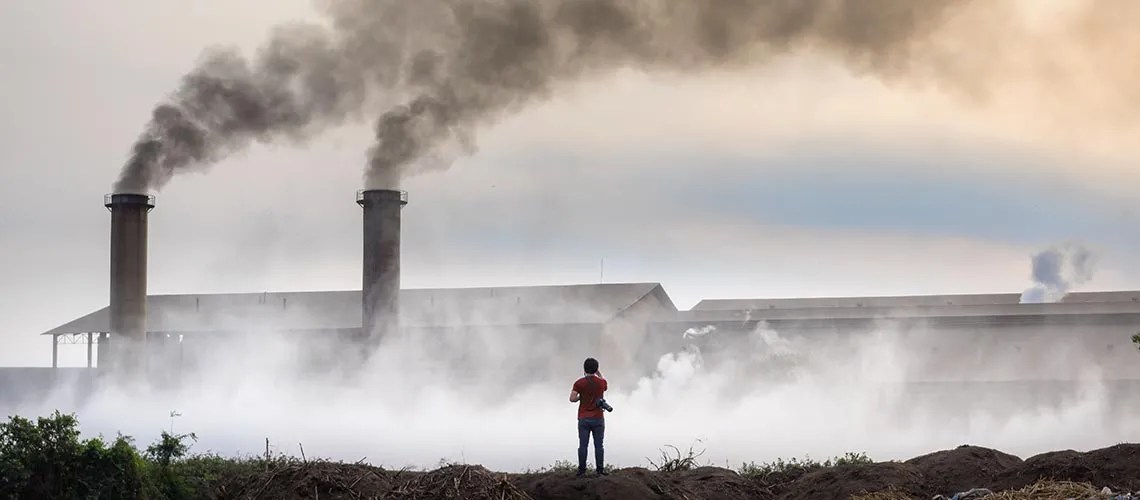 can find the money.
There is reason to worry. As part of the Paris Agreement, the world’s wealthier countries reaffirmed their commitment to mobilize at least $100 billion of climate financing annually to help developing countries to adapt to climate change, invest in renewable energies and achieve low-carbon development. But getting there is a work in progress.
Climate Change in Africa
How the private sector is rising to meet the challenges of a global crisis
Across Africa, the private sector is rising to the pressing challenges posed by the 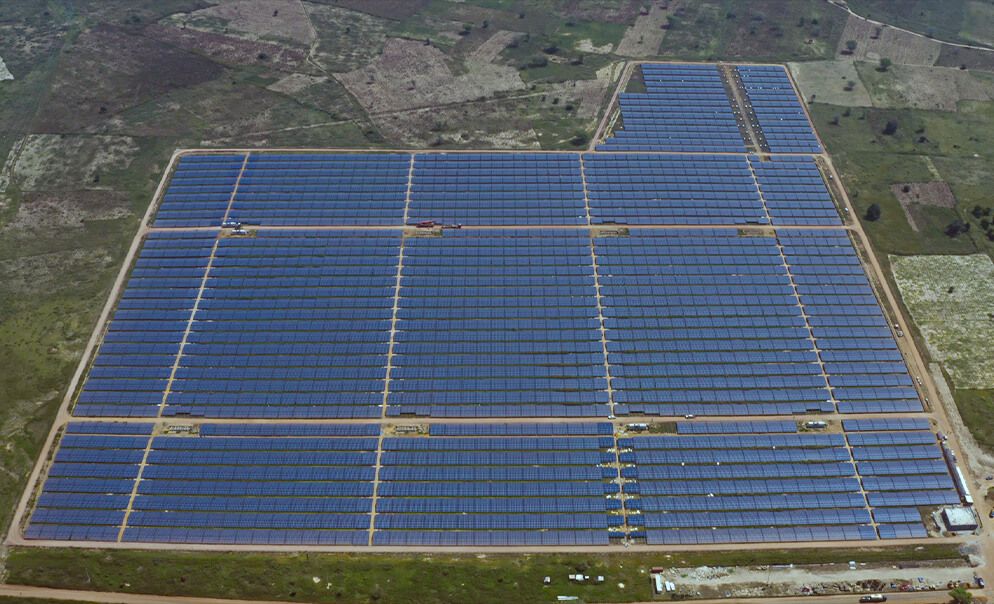 global climate crisis.
From housing and energy to transport and agriculture, businesses on the continent are delivering strategies, technologies, and projects that are reducing the human impact on the environment, while supporting jobs, reducing poverty, and furthering development.
Remarks by World Bank Group President David Malpass at the COP27 Climate Finance Event
Thank you, Prime Minister Madbouly, Dr. Shoukry for hosting this event on climate finance.
Developing countries are facing an economic crisis, heavy debt burdens, high inflation, and climate change. It is a crisis facing development itself.
Adapting Across East Asia and Pacific
How the World Bank is standing with a region at climate risk
There is a saying in the Pacific that when it comes to climate change, ‘we are not drowning;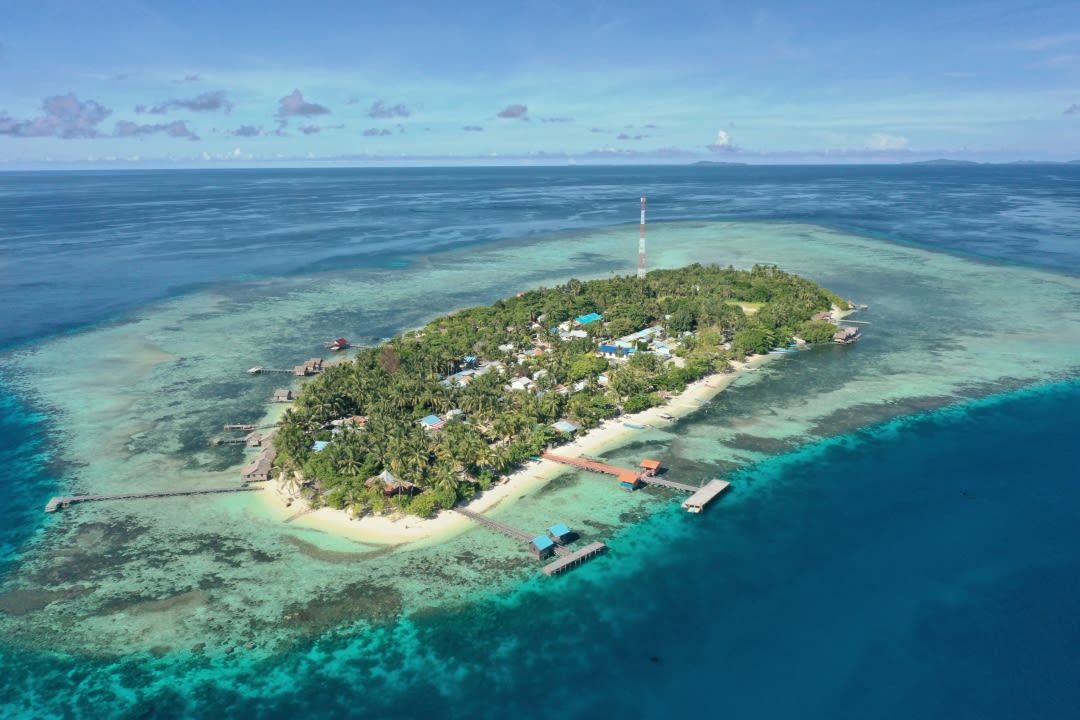 we are fighting’. This could also sum up the wider East Asia and Pacific region as a whole in the face of climate change; a region that, despite being exposed to some of the worst climate impacts in the world, is responding with innovation, strength and immense resilience.
The World Bank is standing with the countries in the region in these efforts. In East Asia and the Pacific, 46% of new World Bank commitments in fiscal year 2022 contributed to climate action. Three countries across the region – Indonesia, the Marshall Islands, and Vietnam – highlight how the Bank is supporting their fight to adapt to climate change while securing resources and safeguarding important conservation gains far into the future.
The Human Face of Climate Change
For Haliya Al-Jalal, a mother of six in Al-Adn, Yemen, walking long distances to collect drinking water was a daily chore she shared with her family. “Fetching water from the stream caused us great hardship,” she said. “Many children dropped out of school to devote themselves to this task every day.”
World Bank Group Presents New Fund for Lowering Emissions; SCALE
SHARM-EL-SHEIKH, November 8, 2022 — Today the World Bank announced a new multi-partner fund that will pool funding from the global community — including donor countries, the private sector and foundations — for scalable pathways to greenhouse gas emission reduction. The Scaling Climate Action by Lowering Emissions (SCALE) partnership will provide grants for verifiable emissions reductions and expand the funding sources for global public goods.
“Climate finance needs major new mechanisms that pool funding from the global community to accomplish actual reductions in greenhouse gas emissions across the developing world. SCALE offers a key non-fragmented avenue for the global community to take action on climate change,” said David Malpass, President of the World Bank Group. “The verifiable emission reductions created by SCALE and similar mechanisms will also be an important step toward building effective carbon credit markets.”
SCALE will deploy Results-Based Climate Finance where countries receive grant payments for achieving pre-agreed, verifiable results, drawing on twenty years of World Bank Group experience in this area.
SCALE will support countries to build a track record of generating emission reductions from impactful programs and policies that they can apply toward their national emission reduction targets. SCALE will also yield excess credits that can be offered in carbon markets with the potential to unlock additional private sector funding.
SCALE will pool public and private resources to (i) channel additional funding to middle and low-income countries’ emission reduction programs; (ii) help bridge the gap between the supply of and demand for high-quality emission reduction credits by supporting large-scale climate investments; and (iii) help countries develop high integrity credits and enhance their access to international carbon markets.
Social inclusion is embedded in the design of all SCALE programs. An associated fund within the SCALE umbrella – Enabling Access to Benefits while Lowering Emissions (EnABLE) – enhances the inclusion of marginalized communities and indigenous peoples in programs under the partnership through specially designed benefit sharing arrangements.
PRESS RELEASE NO: 2023/029/CCG
 Netherlands for the World Bank
You must be logged in to post a comment.