
 Deadline: 04-Jul-2018 at 11:59:59 PM (Eastern Time – Washington D.C.)
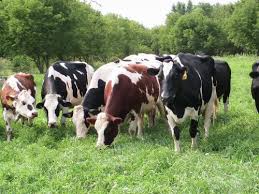
IFC is hiring a firm, which will support the Project on the design, testing and implementation of dairy farm reference models for large and medium sized dairy farms in Ukraine.
The Consultant will: 1) conduct the diagnostic of up to 10 dairy farms with an average size of between 300 and 2,000 dairy cows, 2) provide recommendations on improvement opportunities, 3) support the implementation of the recommended improvements 4) support IFC on developing 2 reference models for medium and large farms.
Continue reading
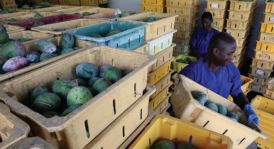
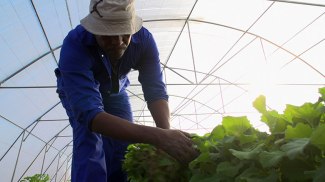 I met Thabo Lefatle on a cold winter day in Lesotho. We – a team from the World Bank Communications Department – had driven an hour and a half south of the capital Maseru to get to his farm. As we traveled through different parts of the small mountainous kingdom, we met several farmers to find out exactly how the Smallholder Agriculture Development Project (SADP) impacted their lives.
 A few weeks ago, I felt a sense of déjà vu. I was at a roundtable on agriculture in Delhi, in the same conference hall where, ten years ago, I participated in the consultations on the Bank’s World Development Report 2008 on
  IFC Global Agribusiness Conference, May 15-16 in Amsterdam, The Netherlands
 expansion to climate change, disaster resilience, and social inclusion, are intimately tied to land and the way it is used. Addressing these challenges while also ensuring individuals and communities are able to make full use of their land depends on consistent, reliable, and accessible identification of land rights.
 Deadline: 21-Mar-2018 at 11:59:59 PM (Eastern Time – Washington D.C.)


You must be logged in to post a comment.