
Prepares to support countries in the region affected by the conflict 
WASHINGTON, Feb. 24, 2022—David Malpass, President of the World Bank Group, today released the following statement:
“The World Bank Group is horrified by the shocking violence and loss of life as a result of the events unfolding in Ukraine. We are a long-standing partner of Ukraine and stand with its people at this critical moment.
Today, I discussed the situation with our Board of Directors and have mobilized our Global Crisis Risk Platform to accelerate coordination across the World Bank Group.
The devastating developments in Ukraine will have far-reaching economic and social impacts. We are coordinating closely with the IMF to assess these costs.
When I met with President Zelenskyy in Munich on Saturday, I reaffirmed the World Bank Group’s strong support and commitment to the people of Ukraine and the region.
We stand ready to provide immediate support to Ukraine and are preparing options for such support, including fast-disbursing financing. Alongside development partners, the World Bank Group will use all our financing and technical support tools for rapid response.
The World Bank Group is also in active dialogue to support neighboring countries and people that may be affected by this conflict and will make additional resources available.”
Prepares to support countries in the region affected by the conflict
WASHINGTON, Feb. 24, 2022—David Malpass, President of the World Bank Group, today released the following statement:
“The World Bank Group is horrified by the shocking violence and loss of life as a result of the events unfolding in Ukraine. We are a long-standing partner of Ukraine and stand with its people at this critical moment.
Today, I discussed the situation with our Board of Directors and have mobilized our Global Crisis Risk Platform to accelerate coordination across the World Bank Group.
The devastating developments in Ukraine will have far-reaching economic and social impacts. We are coordinating closely with the IMF to assess these costs.
When I met with President Zelenskyy in Munich on Saturday, I reaffirmed the World Bank Group’s strong support and commitment to the people of Ukraine and the region.
We stand ready to provide immediate support to Ukraine and are preparing options for such support, including fast-disbursing financing. Alongside development partners, the World Bank Group will use all our financing and technical support tools for rapid response.
The World Bank Group is also in active dialogue to support neighboring countries and people that may be affected by this conflict and will make additional resources available.”
 lies the G.S. Kabuga school.
  related shutdowns are challenging the effectiveness of civil and institutional structures around the world and adding to fragility and violence, resulting in interrelated crises for foreign policy, development, and economics.
 Offices in twelve IDA-19 countries to support the production of gender data in the economic domain.
 and what kind of impact is climate change having? We sat down with Charlotte De Fontaubert, Global Lead for the Blue Economy at the World Bank, to learn about the state of our oceans and what the World Bank is doing to help keep them healthy and productive.
 fragile economies.
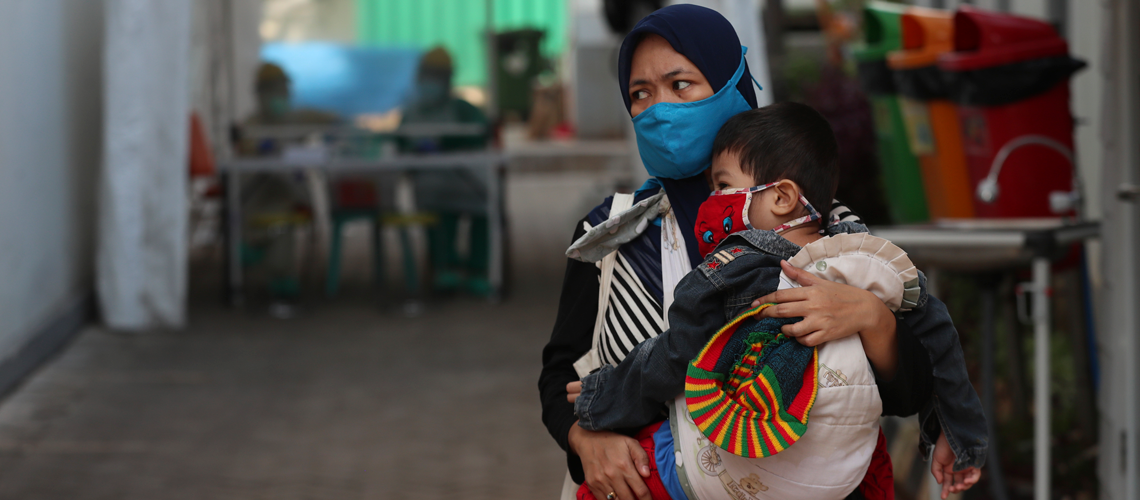 Surveys (HFPS) in the East Asia and Pacific (EAP) Region show that poorer households have been disproportionately affected and have been slower to recover. Findings from the HFPS reported in the recent
  A few weeks ago, the international community agreed to a record $93 billion financing package for the world’s poorest countries.
  are worrisome. For example,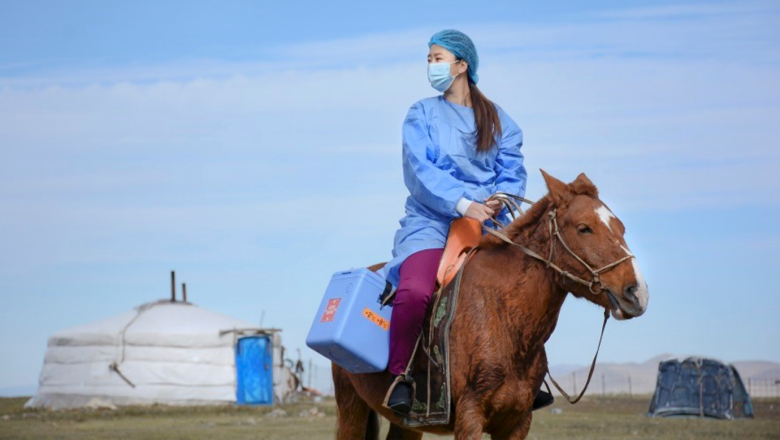
 Netherlands for the World Bank
You must be logged in to post a comment.