
In order to gain a better idea of how it is like to work at the World Bank Group and how the organization function itself, several Dutch Young Professionals are interviewed at the bank. After the recent interview with Stefan Peuchen, it is now Rosa Keizer’s turn to tell her story on this blog.
What is your role within the World Bank?
”As a Young Professional at the Ministry of Agriculture, Nature and Food Quality I had the opportunity to work for both the Dutch Embassy and the World Bank in Washington D.C. My contribution is part of an agreement signed between The Netherlands and the World Bank, where both parties commit to join efforts for increased food security worldwide. My team at the World Bank, with which I work four days a week, is part of the Global Practice Agriculture and is involved in Food Loss and Waste. I spend the remaining day at the Dutch Embassy, briefing with my colleagues involved in the topic and the Dutch ministries. I feel privileged to have this position; by working with two organizations I see my added value in creating synergies which can benefit both the World Bank and the Netherlands.”
 There are the booming megacities such as Tokyo, Mumbai, and Nairobi. Then there are cities that are declining in population, such as Detroit. In Eastern Europe and Central Asia, where we recently


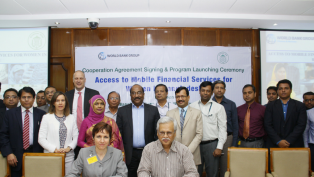 The World Bank Group’s (WBG)
 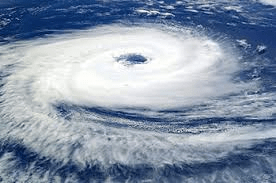 recorded in the Southern Hemisphere, impacting 62% of the Fiji population and caused F$2 Billion in damage (20% of GDP). It killed 44 people, injured hundreds and left 131,000 people homeless. The Category 5 storm first made landfall in Ra, leaving its communities completely devastated. Cyclone Winston was an example of new enemies facing communities. Enemies that are linked to climate change.
 milestone. But the deal is far from done. Getting from commercial close to financial close involves satisfying a long list of PPP contract Conditions Precedent, the terms, and conditions of lenders, among other requirements. The process is tricky and involves a lot of heavy lifting, particularly in emerging markets where the market for PPPs and supporting institutional structures may not yet be robust. None of this is news.
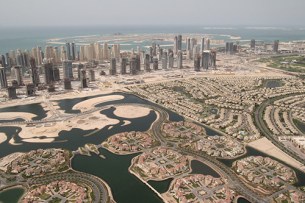 Those of you who have visited Dubai in recent years may relate to what I am going to say: Dubai is in the middle of the desert, and its land, not that long ago, was really worth nothing. Now it is one of the most vibrant international cities in the world. All this happened in a relatively short time span.
 Netherlands for the World Bank
You must be logged in to post a comment.