The idea behind debt-for-development swaps is straightforward: A country exchanges its expensive debt for cheaper debt, often supported by a credit enhancement like a guarantee, and then redirects the savings into development spending.
In national parks and ecological corridors globally, community champions are fostering harmony between people, wildlife, and other biodiversity, while creating jobs and other economic opportunities in their local areas.
The Global Wildlife Program (GWP) is one of the largest global partnerships created to support country-led initiatives that tackle illegal and unsustainable wildlife trade, mitigate human-wildlife conflict and zoonotic spillover risk, and promote wildlife-based livelihoods. With funding from the Global Environment Facility, the World Bank-led program works with community champions across 38 countries, including in South Africa, Indonesia, Mali, and Ecuador.
Dhaka, May 14, 2025 — The World Bank’s Board of Executive Directors today approved $270 million financing to bolster Bangladesh’s flood recovery efforts and enhance its resilience to future disasters, including support for constructing and rehabilitating critical infrastructure, strengthening agricultural system and improving livelihoods in areas devastated by the August 2024 floods.
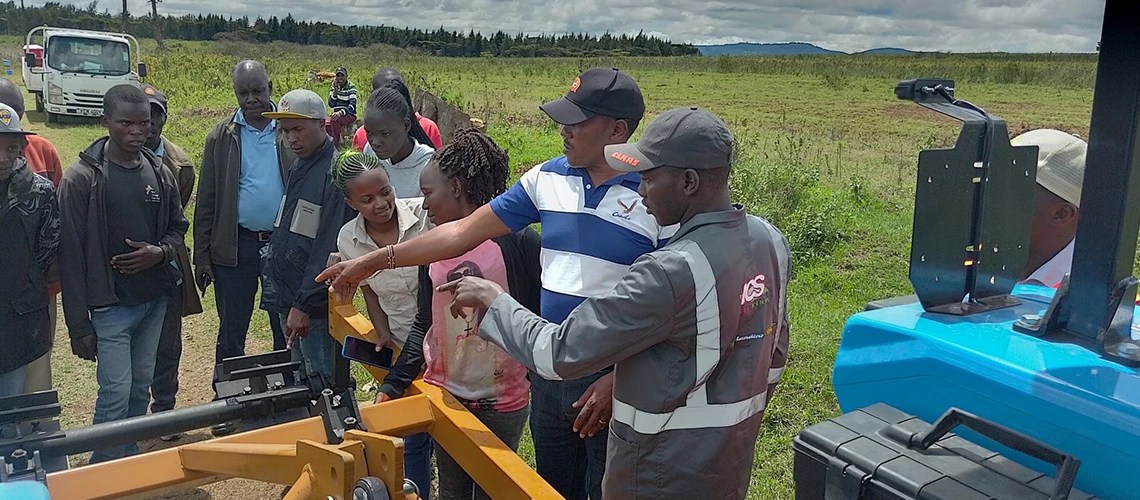
Where villagers once struggled with basic tools and meager earnings, they now use modern electric machinery to create valuable finished products.
From increased rice production and reduced transportation costs, to booming sunflower oil businesses, access to reliable power is boosting local economies.
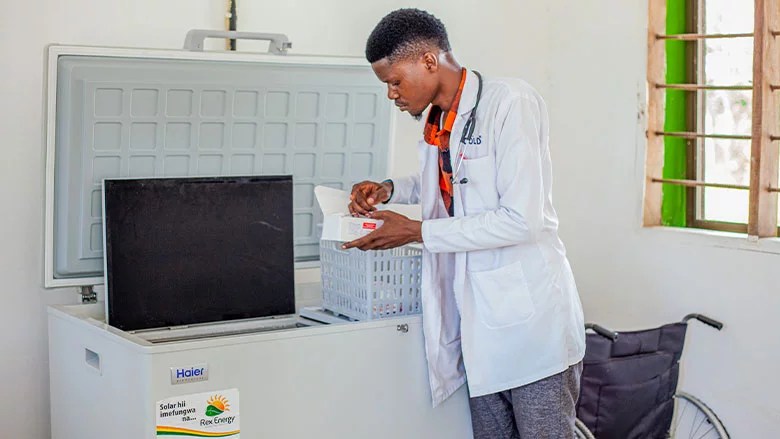
Tanzania is bringing its vision of universal electrification to reality with support from a $550 million International Development Association investment.
The World Bank Group Youth Summit returns for its 12th edition, bringing together young people (ages 18-35) to tackle urgent global challenges. This year’s focus is on digital transformation, creative industries, and youth-led innovation for a livable planet.
The Summit’s mission is to:
Empower youth to explore innovative solutions to development challenges
Equip youth with the tools to create and participate in impactful projects
Foster dialogue between youth, the World Bank Group, and other key global stakeholders.
Join us on May 19-20 for key sessions broadcast here, including a civil society roundtable, plenaries on data-driven solutions and youth-led innovations in agriculture, a creative industries session, and a fireside chat on digital currencies. All sessions will be in English with interpretation in العربية, Français, and Español.
At the World Bank Group, creating more and better jobs has long been central to our mission, and we will prioritize job creation as an explicit aim of everything we do.




 Netherlands for the World Bank
You must be logged in to post a comment.