Unknown's avatar

About NL4WorldBank

The World Bank Team at the Royal Netherlands Embassy tweets about news related to Dutch organizations interested in working with the #WorldBank. #NL4WorldBank

Investing in nutrition is smart economics

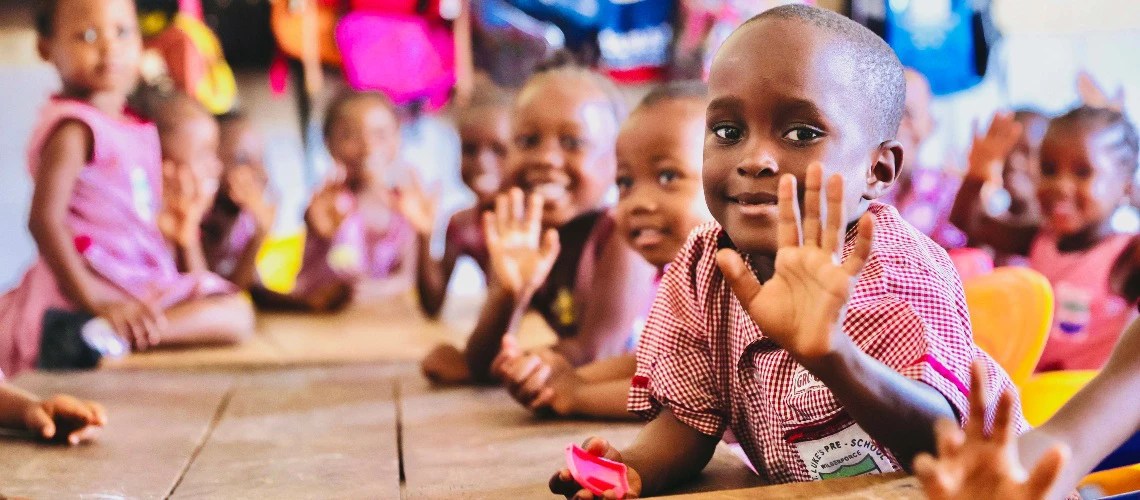
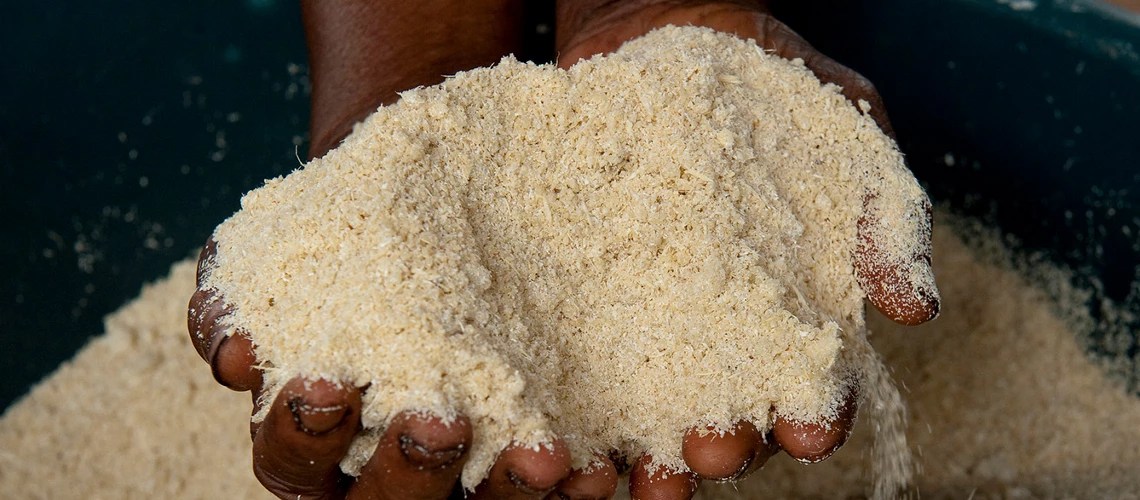
Every day, millions of children are robbed of their potential before they even start school. This is not a distant tragedy—it’s a global emergency. Malnutrition is one of the most critical, yet often overlooked, development challenges of our time. Although some progress has been made in recent years, the global fight against malnutrition has stalled, continuing to impact millions, especially in low- and middle-income countries.

Continue reading
Secure Property Rights in the Western Balkans Help Grow Businesses and Create Jobs

Story Highlights

Easier Access to Property Rights - Bosnia and Herzegovina
Entrepreneurs like Dženana are benefiting from easier property registration in Bosnia and Herzegovina.
  • Streamlining access to property ownership supports entrepreneurs in the Western Balkans, allowing them to focus on innovation and expansion.
  • With World Bank assistance, Bosnia and Herzegovina, Kosovo, and Serbia have digitized land registration processes facilitating new business ventures.
  • Empowering small and medium-sized businesses is crucial for creating jobs, strengthening supply chains, and boosting economic growth.
Continue reading

Countries and Co-Financiers Working Together to Power Regional Energy Integration in Western Africa

The Development Challenge

default

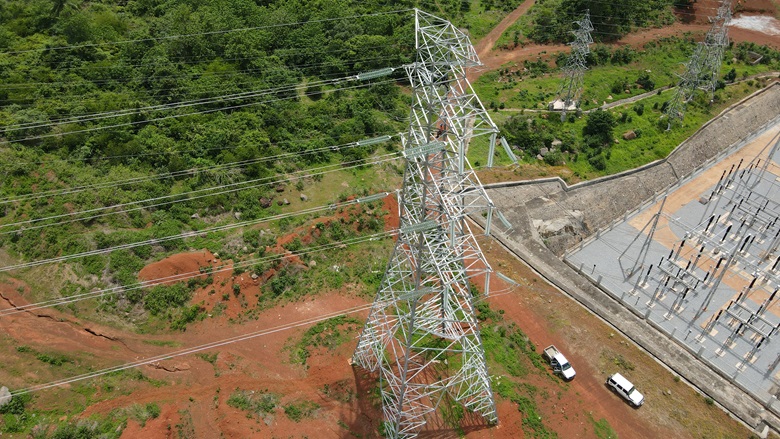
Access to reliable, affordable, and sustainable energy is key to unlocking Africa’s socio-economic transformation. This is the focus of Mission 300, an ambitious effort between the World Bank and the African Development Bank, amongst other partners, to connect 300 million people to electricity in sub-Saharan Africa by 2030. With electricity comes new opportunities for jobs, trade, and investment, as well as better schools, hospitals, and other essential services. Lives change. In 2020, only 52 percent of the population in Western and Central Africa had access to electricity services. Reaching those without access, including over 220 million people in Western Africa, requires overcoming challenges related to geography, high electricity costs, weak institutional capacity, and political instability.

Continue reading

Shifting Shores: Foreign Direct Investment (FDI) Relocations and Political Risk | World Bank Expert Answers

Foreign Direct Investment (FDI) has powered prosperity in development for decades. But in recent years FDI flows have been impacted by overlapping crises, including the pandemic, increasing geopolitical fragmentation, and slower world economic growth. This has led to new patterns in FDI, analyzed in a recent MIGA report “Shifting Shores: FDI Relocations and Political Risk.”

Moritz Nebe, Sector Manager at the Multilateral Investment Guarantee Agency which houses the World Bank Group Guarantee Platform, joins Expert Answers to unpack what these changes mean for investors and the developing world.

Harnessing Technology for Transparency, Stronger Institutions, and Prosperity

April 09, 2025

Add to calendar

How do social forces, innovation, and technology shape the evolution of institutions over time? How do they contribute to either their persistence or transformation?


M.I.T. Professor Daron Acemoglu, the 2024 laureate of the Nobel Memorial Prize in Economic Sciences, will present his research on innovation and technology. His framework examines the social forces that drive institutional stability and change, revealing how these dynamics impact prosperity. He draws comparisons between disruptive periods such as the onset of European colonialism, the spread of industrial technologies in the 19th century, and today’s decisions on the use, adoption, and development of AI.


The event will take place on April 9 at the World Bank headquarters in Washington, D.C., and will be broadcast on World Bank Live.

Are emerging market risks for private investors overstated? What the data show

The G20 has delivered a strong message that multilateral development banks (MDBs) need to be “better, bigger, and more effective.”  That’s the headline of the G20 reform plan adopted in November 2024, which not only sets out the future path but also establishes how to get there with a detailed roadmap of 13 recommendations and 44 actions. 

Continue reading

Evolving to create digital pathways for all

The digital world doesn’t wait. It evolves—fast. Those who don’t adapt risk being left behind. For the World Bank Group, this isn’t just a challenge, it’s a mandate. 

In low- and middle-income countries, where this transformation can be key to unlocking jobs, economic growth, and better public services, the urgency to act is even greater. That’s why we’re changing our approach to digital development to better meet the speed and scale of today’s transformation.

Continue reading

Five things to know about the new Human Capital Data Portal

Investing in human capital—the knowledge, skills, and health people accumulate over a lifetime— unlocks a nation’s wealth and the full potential of individuals. Reliable measurement of human capital development is crucial to this effort. From local to global, human capital data provides key insights into effective approaches, guides efficient resource allocation, and strengthens policymakers’ commitment to investing in people, fostering sustainable and inclusive economic growth.

Continue reading

Sahel RESILAND: Scaling-up sustainable solutions for dryland forests

Dryland forests in the Sahel are remarkable ecosystems that embody resilience and adaptability. Stretching across the arid landscape, iconic tree species such as Acacia, Baobab, and Shea trees stand as symbols of endurance, providing vital resources like food, medicine, and shade for both communities and livestock. These tenacious forests are not only lifelines for biodiversity but also cornerstones of local livelihoods.

Continue reading

4 key facts about forests and food: our experts weigh in

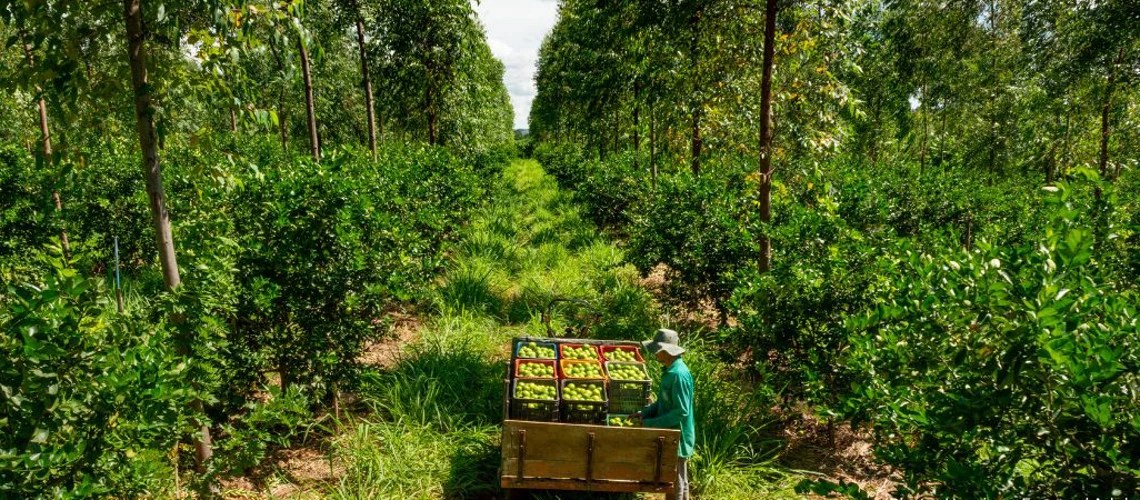
Forests and food are interconnected. As the world accelerates towards a food transition that delivers better, more sustainable outcomes for people and the planet, we must recognize that forests, woodlands, and landscapes are critical to this transition, but also to wider sustainable development goals. Investments in forests are investments in local communities, national economies, and our planet. We spoke to two of our forestry and agriculture experts on the topic.

Continue reading