World Bank to Boost Jobs, Competitiveness, and Sustainable Mining in Peru

New project will modernize geoscientific data, streamline permitting, and unlock private investment in strategic minerals

WASHINGTON, March 16, 2026 — The World Bank Board of Directors approved a new project to support Peru in becoming more competitive, transparent, and sustainable in the mining sector—laying the foundation for more and better jobs across the value chain.

Continue reading
Safeguarding Coasts, Driving Jobs: WACA+ to Protect 530,000 People and Catalyze 13,000 Blue Economy Jobs

Combining coastal protection with private‑sector–led growth to strengthen the blue economy value chains in Benin and Mauritania.


WASHINGTON, March 17, 2026
 – The World Bank Group today approved a total of $240 million, including $207 million from the International Development Association (IDA) financing, $5 million from the PROBLUE trust fund, and $28 million in private capital, to launch the first phase of the West Africa Coastal Areas Blue Economy and Resilience Program (WACA+). The program will help Benin and Mauritania protect vulnerable coastlines from erosion and floods, strengthen blue‑economy value chains, and create thousands of new and better‑paid jobs for coastal communities.

Continue reading

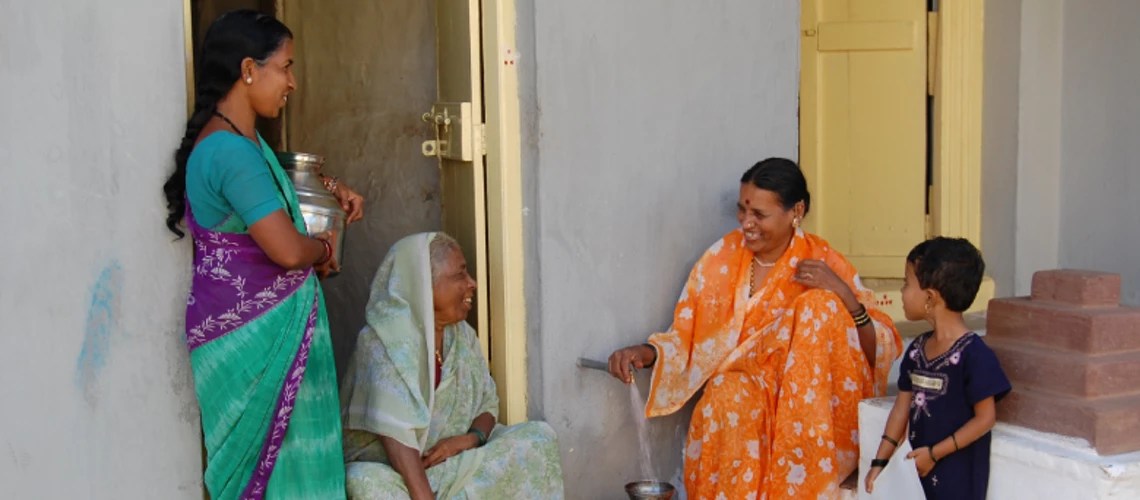
From pipes to people: How Indian cities reimagine modern water and sanitation

Reliable water and sanitation services are central to India’s ambition for Viksit Bharat 2047 and its vision for modern, livable cities. In recent years, government programs and city-level reforms have driven remarkable improvements—expanding networks, upgrading treatment capacity, and demonstrating that high-quality, customer-oriented services are achievable. Several cities now provide continuous water supply, have dramatically reduced losses, or have achieved impressive levels of wastewater reuse and solid-waste processing.

Continue reading

Why digital payments still stop at the small shop—and how to fix it

Over the past decade, countries have invested heavily in modern payment systems. Fast payment systems are now widely available, even in many low- and middle-income countries. In many emerging markets, most adults own a debit card, a wallet or transaction account. On paper, the digital rails are in place.

Continue reading