
WASHINGTON, September 24, 2024 – As part of the previously announced Bretton Woods at 80 Initiative, the IMF and the World Bank Group are hosting a high-level retreat at Bretton Woods, New Hampshire, on September 26‒27, 2024.
This two-day Chatham House Rules event will bring together a small and diverse group of global thinkers—including individuals prominent in the fields of history, international relations, political science, finance, and business—at the location of the 1944 United Nations Monetary and Financial Conference (the “Bretton Woods Conference”).
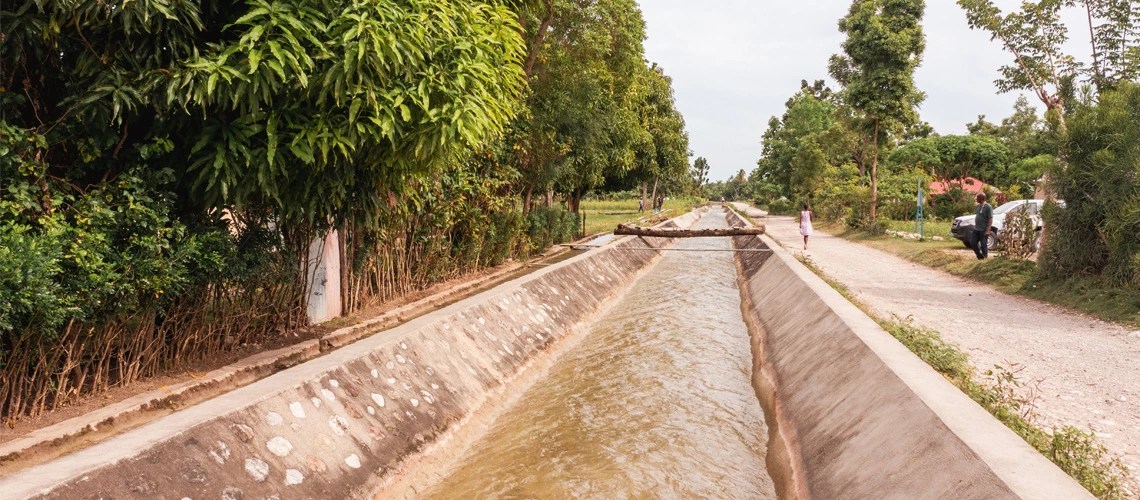 already at the National Emergency Operation Center of the Direction Générale de la Protection Civile discussing how the
  and a livable planet. It sustains ecosystems that support human livelihoods, particularly in developing nations, by providing essential resources like food, clean water, and climate stability. Healthy ecosystems are crucial for agriculture, fishing, and forestry, which reduce poverty and foster sustainable economic growth. Additionally, biodiversity fuels industries such as ecotourism and pharmaceuticals, generating jobs and income. Maintaining biodiversity strengthens ecosystem resilience, stabilizes climate, and mitigates climate change impacts, making it key to environmental health and global sustainability.
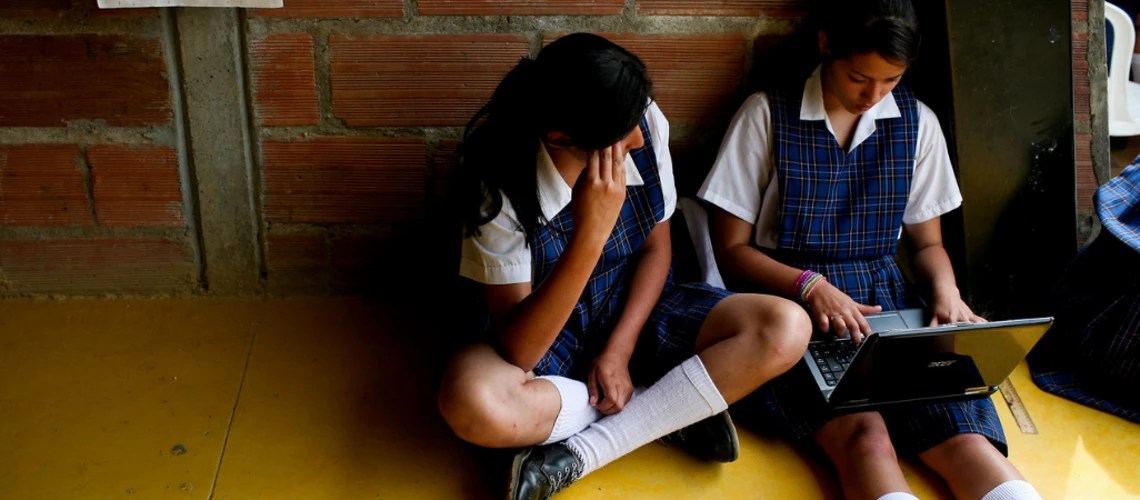 and optimistic yes. 1.8 billion students in the world should receive a good education. However, half of them do not achieve
  eradicate poverty on a livable planet.

You must be logged in to post a comment.