
Tag Archives: Youth
Finding a path to peace, stability, and development in Haiti
Less than an hour after landing in Port-au-Prince, Haiti, on Wednesday last week we were 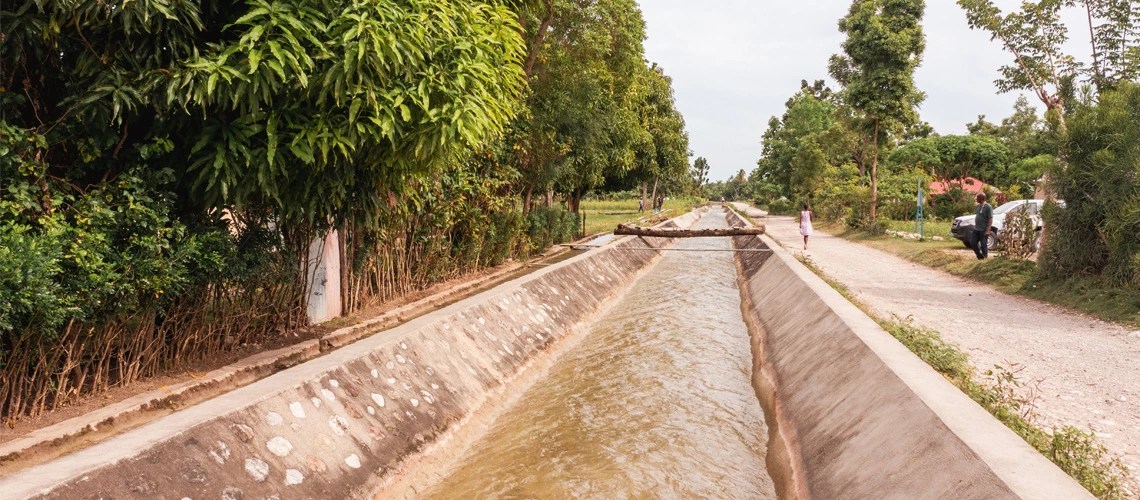 already at the National Emergency Operation Center of the Direction Générale de la Protection Civile discussing how the International Development Association (IDA) can help strengthen the country’s disaster risk management capacity. Remarkably, the center was launched in May 2024 despite the ongoing security and political crisis at the time, demonstrating the resilience of the IDA program implementation in Haiti. We witnessed similar results in other programs and during the field visit to the Southern Peninsula, where IDA projects are having a visible impact on the lives of the Haitian residents of that area.
A new World Bank database to support a new era in biodiversity conservation
Biodiversity conservation is vital for sustainable development, poverty alleviation,  and a livable planet. It sustains ecosystems that support human livelihoods, particularly in developing nations, by providing essential resources like food, clean water, and climate stability. Healthy ecosystems are crucial for agriculture, fishing, and forestry, which reduce poverty and foster sustainable economic growth. Additionally, biodiversity fuels industries such as ecotourism and pharmaceuticals, generating jobs and income. Maintaining biodiversity strengthens ecosystem resilience, stabilizes climate, and mitigates climate change impacts, making it key to environmental health and global sustainability.
Financial Sector at a Crossroads in Emerging Markets: Climate Risks and Financing Gaps Demand Action
More than 400 Million Students Affected by Climate-Related School Closures since 2022
For less than $20 per student schools can adapt and minimize learning losses
WASHINGTON, Sept. 4, 2024 – A staggering 400 million students globally experienced school closures from extreme weather since 2022, according to a new World Bank report released today. The report examines the detrimental impacts of climate change on education in low- and middle-income countries and offers solutions to harness education to spur climate action. It also estimates that a one-time investment of $18.51 per child can mitigate the impact from climate shocks.
Education for Climate Action
Educating for the present and the future: using Artificial Intelligence (AI) to address the learning crisis
Can Artificial Intelligence (IA) help address massive education gaps? The answer is a cautious 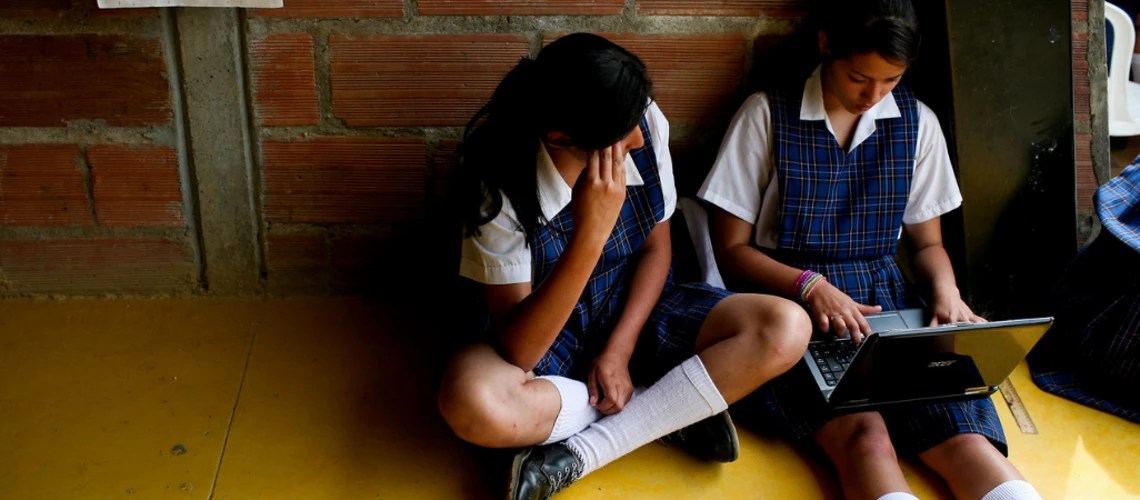 and optimistic yes. 1.8 billion students in the world should receive a good education. However, half of them do not achieve basic reading and numeracy skills needed for life.
World Bank Group Ramps Up Fight Against Global Hunger
Expanded ambition and partnership with the G20 Global Alliance Against Hunger and Poverty to reach at least 500 million people in need
Empowering Africa’s Youth: Bridging the Digital Skills Gap
Digitalization is one of the most transformative opportunities of our time and a potent tool to 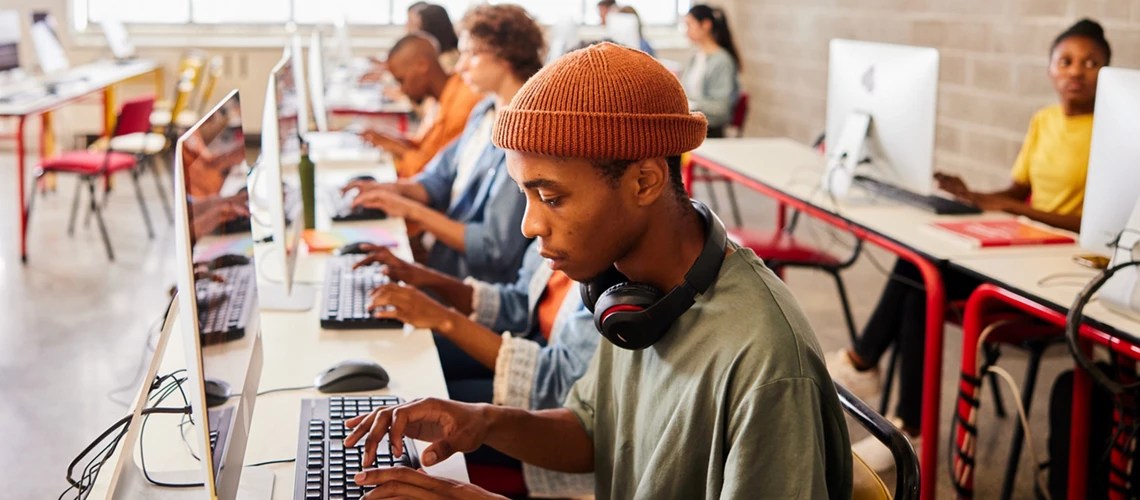 eradicate poverty on a livable planet. Right before our eyes, digital technologies are constantly evolving, changing societies and our everyday lives. The rapid speed of new technologies, such as Artificial Intelligence (AI) and Machine Learning (ML) is also changing digital capabilities for many countries, although not all.
 Netherlands for the World Bank
You must be logged in to post a comment.