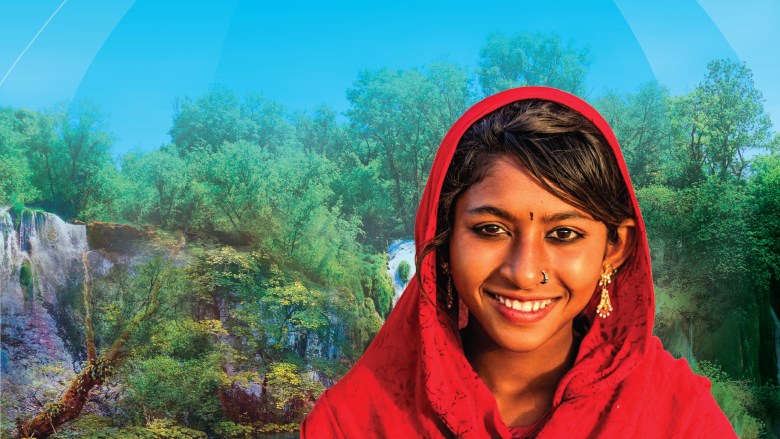
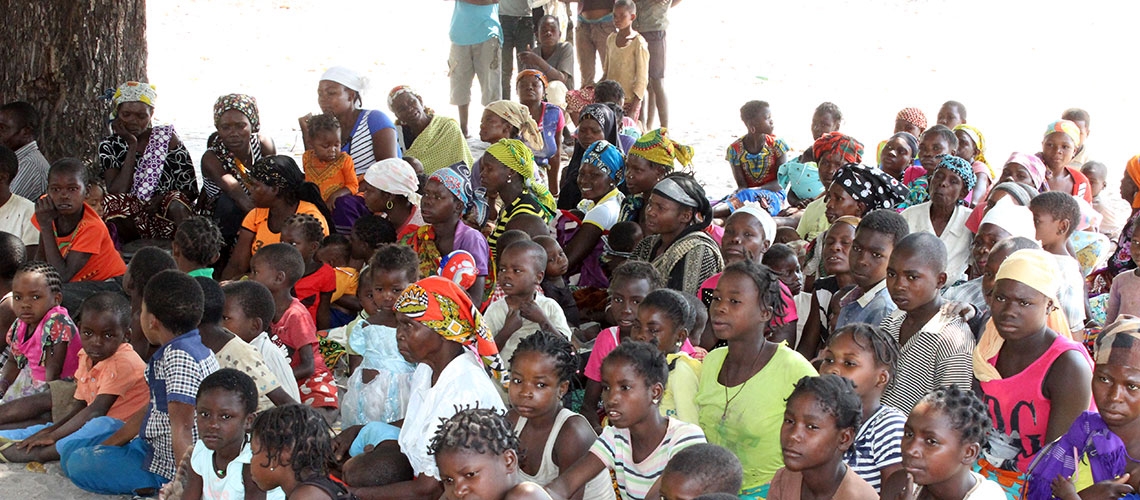
Climate Change Could Further Impact Africa’s Recovery, Pushing 86 Million Africans to Migrate Within Their Own Countries by 2050

Deep dives on climate migration in West Africa and Lake Victoria Basin

WASHINGTON, October 27, 2021— The World Bank’s new Groundswell Africa reports, released today ahead of the 26th session of the Conference of the Parties (COP 26), find that the continent will be hit the hardest by climate change, with up to 86 million Africans migrating within their own countries by 2050.

Continue reading

Taking Action: The World Bank Group’s Climate Priorities

Tackling climate change will require major social, economic and technological changes,dm_oped_climateshutterstock_1869476341_1140x500 many of which are costly and will require large investments.  To achieve our climate objectives, it will be critical to integrate climate and development and identify projects at the country level that tackle mitigation and adaptation and channel appropriate sources and structures of financing toward these projects in a manner that maximizes impact.
Continue reading

Open Learning Campus: Women’s Entrepreneurship – What Works to help women thrive in the Digital Economy

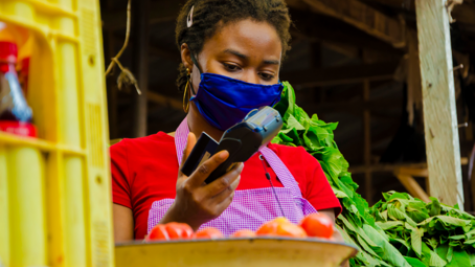
Rapid digital transformation across the globe has dramatically changed the way entrepreneurs run their business. But for women entrepreneurs, it is still an uphill battle with lack access to capital, digital tools and skills, and a supporting environment to fully participate in the new digital economy: there are still 234 million fewer women than men accessing mobile phones. This webinar will explore findings and recommendations from interventions aimed at closing gender gaps in the digital economy: two reports on Women and E-Commerce in Southeast Asia and Africa, led by the International Finance Corporation (IFC), show that closing participation and revenue gaps between men and women entrepreneurs on e-commerce platforms can add over $280 billion to the value of the e-commerce markets in these regions. An impact evaluation by the Latin America and the Caribbean Gender Innovation Lab (LACGIL) in Guatemala, DIGITAGRO, documents the potential to increase market access to women working in agriculture using digital technologies. Work by the Africa Gender Innovation Lab (AFRGIL) promoting the use of mobile savings accounts among women microentrepreneurs in Tanzania, with and without business training, suggests that while there is a latent demand for digital savings accounts, it may be necessary to supplement such products with complementary business training in order to observe positive impacts on business investment and profits.

The Changing Wealth of Nations

The Changing Wealth of Nations 2021 provides an updated database and rich analysis ofCWON_WebsiteImage-sml-01 the world’s wealth accounts spanning 146 countries, annually from 1995 to 2018. It contains the widest set of assets covered so far, including human capital broken down by gender, as well as many different forms of natural capital, spanning minerals, fossil fuels, forests, mangroves, marine fisheries and more.

A just transition away from coal: Vital for people and planet

Helping countries transition to clean energy systems while meeting growing energy demand is one of the greatest development challenges of our time. Access to electricity is key to creating new jobs and supporting vital services, such as lighting, cooling, modern healthcare, better education, and affordable broadband. 

Continue reading

Trade to the Rescue: Unleashing Global Trade to Support Economic Growth

Higher prices are also impacting food security in some countries index

WASHINGTON, Oct. 21, 2021—Energy prices soared in the third quarter of 2021 and are expected to remain elevated in 2022, adding to global inflationary pressures and potentially shifting economic growth to energy-exporting countries from energy-importing ones.

Continue reading

Tell Me How: BigTech Mergers–Part 1: Is BigTech Buying out the Competition?

View all episodes on our Tell Me How: The Infrastructure Podcast Series homepage

In this first episode of three on BigTech mergers, we discuss the impact of BigTech mergers and acquisitions on the market and on consumers; how should competition authorities think about developments in these markets if they seek to support competition and innovation?

This podcast series is produced by Fernando Di Laudo and Jonathan Davidar. 

Listen to this episode on your favorite platforms: Amazon MusicApple PodcastsGoogle PodcastsPodbean, and Spotify

Continue reading

Behind the Mission: Ask the Recruiters

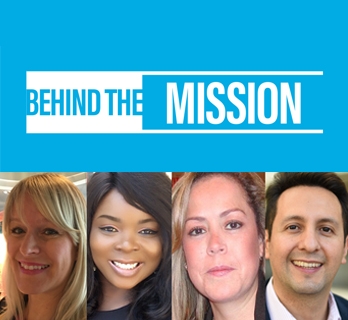
Getting a job at a complex institution like the World Bank Group can be daunting. In this Behind the Mission episode, you will have direct access to recruiters representing both the World Bank and IFC. They’ll demystify the job search, share their insights and tips, and also debunk common myths about the World Bank Group. Join us for the live conversation on October 26th!

  • Anna Frick, Senior Recruiter, The World Bank
  • Mabel Udoh, Senior Recruiter, IFC
  • Magali Rodriguez Reyes, Recruiter, World Bank
  • Rudy Perecin Mareño, Recruiter, IFC

ABOUT Behind the Mission: Working at the World Bank Group: Who are we? Where do we work? What do we do? Why join us? And, what’s it really like to work at the World Bank Group? In this series, our staff answer questions live about working for a unique global partnership as the World Bank Group, with 189 member countries, staff from more than 170 countries, and offices in over 130 locations. Watch our previous episodes Continue reading

End Poverty Day – time to regroup and build back better

On October 17 each year, the world marks the International Day for the Eradication of Poverty, colloquially known as End Poverty Day. It’s an important date given major setbacks registered recently across the globe in the fight against poverty, and the ever-growing challenges facing humanity.

Continue reading

Growth in a Time of Crisis: What’s Ahead for Developing Economies

The opening public event of this year’s Annual Meetings – Growth in a Time of Crisis: What’s Next for Developing Economies – delved into questions like these:

  • How can countries build back to a sustainable, resilient, and inclusive economic recovery while also investing in their people? 
  • What are the fundamental barriers to sustainable and inclusive growth in low and middle-income countries and fragile and conflict-affected settings, and what does the future of growth look like?
  • What types of policies are important to support inclusive growth for vulnerable populations? How can digital technology help ensure inclusion?
  • What’s needed to support private investment, especially small and medium enterprises, and create jobs in developing countries?
  • What role can central banks play to help spur job creation and investment?

Continue reading