
Amid multiple crises and one of the sharpest global economic downturns in nearly three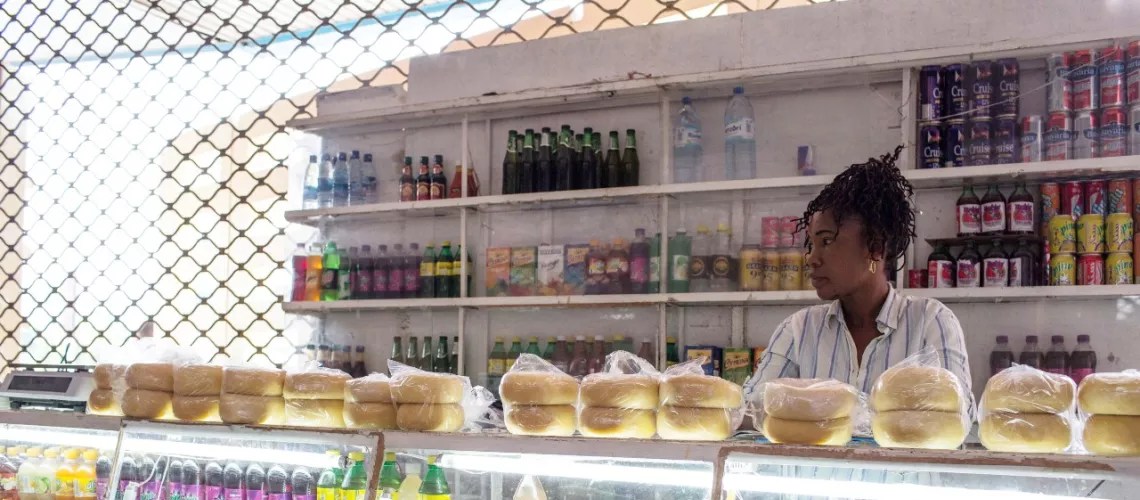 decades, policymakers are looking for new tools to improve productivity and raise revenue. Sugar-sweetened beverage (SSB) taxes are of increasing interest for their potential to both improve population health and bring in new revenue. These taxes increase the price of sugary drinks such as sodas and energy drinks, relative to healthier alternatives such as unsweetened water.
Tag Archives: World Bank
Rated Criteria – A Game Changer for Promoting Value in World Bank Procurement
· World Bank Procurement in Investment Project Financing helps borrowers achieve sustainable development objectives through value-based, principled, and transparent procurement guidance and support.
· The World Bank Procurement Framework launched in 2016 promotes a strategic, fit-for-purpose approach to procurement that focuses on impact and overall value-for-money.
· In keeping with the value-focused approach, most World Bank-financed Procurement will require the use of Rated Criteria which will promote the inclusion of key quality and sustainability criteria rather than using just the lowest evaluated price for award decisions.
5 ways the World Bank is leading by example on nature
We are emerging from decades of a “grow now, clean up later” mindset that delivered development dividends, while hiding a host of social and environmental issues. In 2020, this paradigm hit headfirst into the realities of a global pandemic, worsening climate change, and conflict. Across poor countries and in poor communities, people who had only marginally benefited from development were the first to experience its shortcomings.
World Bank Group President David Malpass Spring Meetings 2023 Positioning Speech
Growth and Stability During Crises
Delivered in Niamey, hosted by the Abdou Moumouni University of Niamey
at the Gandhi Conference Center, March 30, 2023
A Conversation with Mohamed El-Erian
World Bank Group President David Malpass and President of Queens’ College, Cambridge University, Mohamed El-Erian will have a conversation about global macroeconomic trends and their effects on development.
Sign Up
How can developing countries address rising interest rates, depreciating currencies, and stagnant growth? What can central banks and other financial institutions do to manage these crises? What are some possible innovative solutions to address them?
Join President Malpass and Dr. El-Erian as they discuss these issues and policy actions that governments can take.
The Way Forward is an occasional series of in-depth discussions on development challenges and innovative solutions, hosted by World Bank Group David Malpass.
Speakers


Malpass Announces Strengthened Effort to Support Private Sectors and Increase Private Capital for Development and Climate
WASHINGTON, March 23, 2023—World Bank Group President David Malpass today announced a new approach to strengthen private sectors and the delivery of Private Capital Facilitation in World Bank Group operations and knowledge work aimed at increasing growth and the resources available for development and climate costs.
Reminder on Subcontract and Subaward Reporting Requirements
Letter from USAID
Dear Partners,
The purpose of this letter is to remind prime contractors and recipients of their responsibilities to report certain subawards and subcontracts in the Federal Funding Accountability and Transparency Act (FFATA) Subaward Reporting System (FSRS), available at FSRS.gov.
Dutch cabinet accelerates plan for hydrogen production at sea
The cabinet wants to install the first large-scale green hydrogen production at sea in the North Sea, north of the Wadden Islands. The production location will be located next to two wind farms and should be operational around 2031. The green hydrogen is brought ashore through pipelines.
Remembering the lessons of COVID-19 to build resilience for future shocks in Europe and Central Asia
From January 2020 until recently, COVID-19 dominated international headlines and our thoughts. Europe and Central Asia were severely hit by COVID-19, facing among the highest excess death rates in the world.
Food Security Update | World Bank Response to Rising Food Insecurity
Latest Update – February 27, 2023
Domestic food price inflation remains high around the world. Information from the latest month between October 2022 and January 2023 for which food price inflation data are available shows high inflation in almost all low- and middle-income countries, with inflation levels above 5% in 88.9% of low-income countries, 87.8% of lower-middle-income countries, and 93.0% of upper-middle-income countries and many experiencing double-digit inflation. In addition, about 87.3% of high-income countries are experiencing high food price inflation. The countries affected most are in Africa, North America, Latin America, South Asia, Europe, and Central Asia.
 Netherlands for the World Bank
You must be logged in to post a comment.