
At a time when sovereign debt in the poorest countries has surged to dangerously high 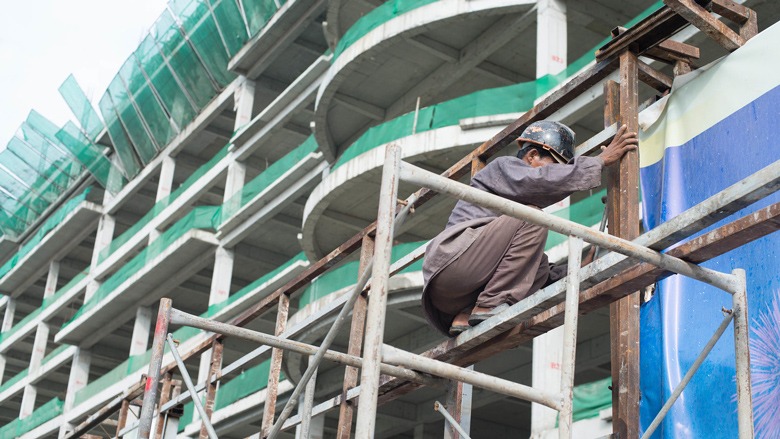 levels, global and country-by-country systems for tracking it are proving to be inadequate. A new report marks the first comprehensive assessment of the global and national systems for monitoring sovereign debt.
Tag Archives: World Bank Group
IFC GLOBAL MANUFACTURING CONFERENCE
Manufacturing is key to development by building economic complexity through industrialization. As the manufacturing sector adds new capabilities to produce more products, participates in value chains, and adds process technologies, this results in more resources and materials being used. Circular economy models are necessary to replace the make, use and dispose linear production model.
The manufacturing sector is now focusing on its crucial role in conserving resources, eliminating waste, and transitioning into more regenerative business models where repairing, reusing, and recycling products replaces simply disposing of them.
The third IFC Global Manufacturing Conference will address the critical questions regarding Circular Economy and provide a dynamic forum for exploring the future of manufacturing.
Millions on the move: What climate change could mean for internal migration
When you think of climate migration, you probably think of people moving from one country to another to escape rising seas or expanding deserts. And to some extent, you’d be right. But the fact is,
The findings of our new Groundswell report forecast that Hotspots of climate migration may start to emerge as early as 2030, as people leave places that can no longer sustain them and go to areas that offer opportunities. The drivers of these migrations, according to the report, will be water scarcity, declining crop productivity and sea-level rise.
COP26: The World Is Watching
STORY HIGHLIGHTS 
- The clock is ticking for high impact climate action at COP26 in Glasgow from October 31 – November 12, 2021.
- A strong theme of the World Bank Group’s participation will be its support for green, resilient, and inclusive recoveries from the COVID-19 pandemic.
- Watch live-streamed events and participate in the conversation with #COP26 and #ClimateActionWBG.
World Bank Group COP26 Climate Briefs
Click on links to see the summary and download the brief:
- Climate and Development Reports (CCDRs)
- Expanding World Bank Group Support for Country NDCs and LTSs
- Adaptation and Resilience: A Priority for Development and Poverty Reduction
- Energy Transition and Universal Access
- Scaling Finance for Transformational Climate Projects
by David Malpass
10 Things You Didn’t Know About the World Bank Group’s Work on Climate Change
-
Climate change, poverty, and inequality are the defining issues of our age. Tackling
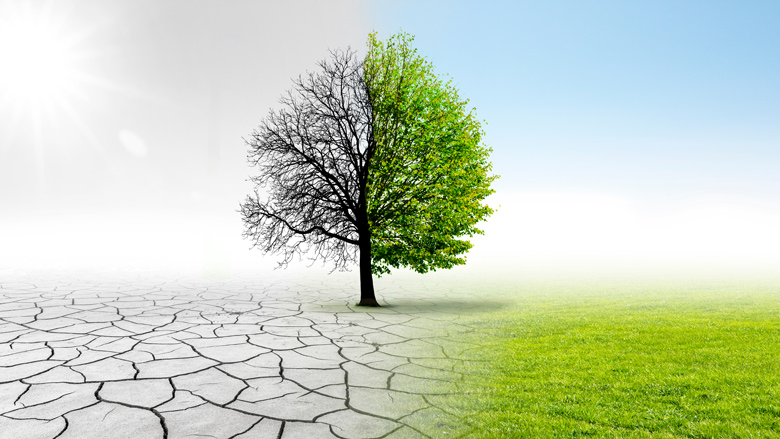 climate change will require major social, economic and technological changes, many of which are costly and will require large investments. Did you know…. Continue reading
Climate Change Could Further Impact Africa’s Recovery, Pushing 86 Million Africans to Migrate Within Their Own Countries by 2050
Deep dives on climate migration in West Africa and Lake Victoria Basin
WASHINGTON, October 27, 2021— The World Bank’s new Groundswell Africa reports, released today ahead of the 26th session of the Conference of the Parties (COP 26), find that the continent will be hit the hardest by climate change, with up to 86 million Africans migrating within their own countries by 2050.
Taking Action: The World Bank Group’s Climate Priorities
Tackling climate change will require major social, economic and technological changes, many of which are costly and will require large investments. To achieve our climate objectives, it will be critical to integrate climate and development and identify projects at the country level that tackle mitigation and adaptation and channel appropriate sources and structures of financing toward these projects in a manner that maximizes impact.
Open Learning Campus: Women’s Entrepreneurship – What Works to help women thrive in the Digital Economy
- Last Day to Enroll: Nov 18, 2021
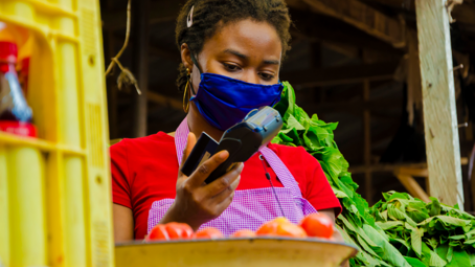
Rapid digital transformation across the globe has dramatically changed the way entrepreneurs run their business. But for women entrepreneurs, it is still an uphill battle with lack access to capital, digital tools and skills, and a supporting environment to fully participate in the new digital economy: there are still 234 million fewer women than men accessing mobile phones. This webinar will explore findings and recommendations from interventions aimed at closing gender gaps in the digital economy: two reports on Women and E-Commerce in Southeast Asia and Africa, led by the International Finance Corporation (IFC), show that closing participation and revenue gaps between men and women entrepreneurs on e-commerce platforms can add over $280 billion to the value of the e-commerce markets in these regions. An impact evaluation by the Latin America and the Caribbean Gender Innovation Lab (LACGIL) in Guatemala, DIGITAGRO, documents the potential to increase market access to women working in agriculture using digital technologies. Work by the Africa Gender Innovation Lab (AFRGIL) promoting the use of mobile savings accounts among women microentrepreneurs in Tanzania, with and without business training, suggests that while there is a latent demand for digital savings accounts, it may be necessary to supplement such products with complementary business training in order to observe positive impacts on business investment and profits.
The Changing Wealth of Nations
The Changing Wealth of Nations 2021 provides an updated database and rich analysis of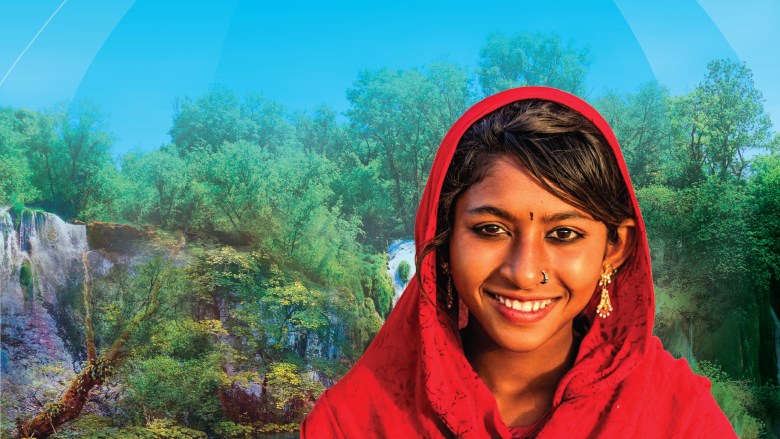 the world’s wealth accounts spanning 146 countries, annually from 1995 to 2018. It contains the widest set of assets covered so far, including human capital broken down by gender, as well as many different forms of natural capital, spanning minerals, fossil fuels, forests, mangroves, marine fisheries and more.
 Netherlands for the World Bank
You must be logged in to post a comment.