
World Bank Live is the World Bank’s digital platform for live-streaming and engaging with global audiences in open and two-way conversations about international development.
Since 2013, World Bank Live has hosted over 700 public events in four languages: English, Spanish, French, and Arabic.
Panel discussions and high-level events are live-streamed during the Spring and Annual Meetings and throughout the year. International audiences can attend report launches, roundtables, speeches from senior management and global leaders, and join global conversations on key development topics such as climate change, economic recovery, debt management, digital transformation, sustainable development, and much more.
Each event is covered live by international development experts from the World Bank and partner organizations, taking questions from the audience in real-time and sharing research findings and learning resources.
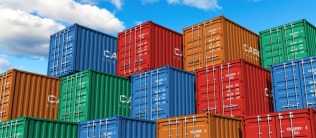 felt the impact of the global supply chain crisis. Pandemic-induced spikes in consumer sales and labor shortages triggered artery-clogging nightmares for some of the world’s busiest ports. At the most serious end of the spectrum, this has contributed to food shortages. But maritime backlogs can delay the delivery of everything ranging from clothes to couches to cars.
 below.
 increases the risk of a wide range of cardiovascular and respiratory diseases. Yet the exposure to and impact of air pollution are not equally distributed. Air pollution is particularly prevalent in industrializing developing economies. Less stringent
  developments of these markets is critical to the design of policy frameworks that facilitate the economic objectives of sustainable growth, inflation stability, poverty reduction, food security, and the mitigation of climate change. This study is the first comprehensive analysis examining market and policy developments for all commodity groups, including energy, metals, and agriculture, over the past century. It finds that, while the quantity of commodities consumed has risen enormously, driven by population and income growth, the relative importance of commodities has shifted over time, as technological innovation created new uses for some materials and facilitated substitution among commodities. The study also shows that commodity markets are heterogeneous in terms of their drivers, price behavior, and macroeconomic impact on emerging markets and developing economies, and that the relationship between economic growth and commodity demand varies widely across countries, depending on their stage of economic development. Policy frameworks that enable countercyclical macroeconomic responses have become increasingly common—and beneficial. Other policy tools have had mixed outcomes.
 around the world, review my bank account, or even order food. But even in our hyper-connected, data-driven world, it’s exceedingly difficult to pin down government debt – even for researchers with advanced skills and access to big databases. And that’s not for lack of trying.


You must be logged in to post a comment.