
WASHINGTON, Feb. 9, 2023—The World Bank announced today $1.78 billion in assistance to help relief and recovery efforts following devastating earthquakes and aftershocks in Türkiye that have already resulted in massive loss of life, injuries, and very significant damages in and around southeastern Türkiye.
Tag Archives: World Bank Group
Preparing now for the next health emergencies
While it is tempting to put the COVID-19 pandemic in the rear-view mirror, now is the time to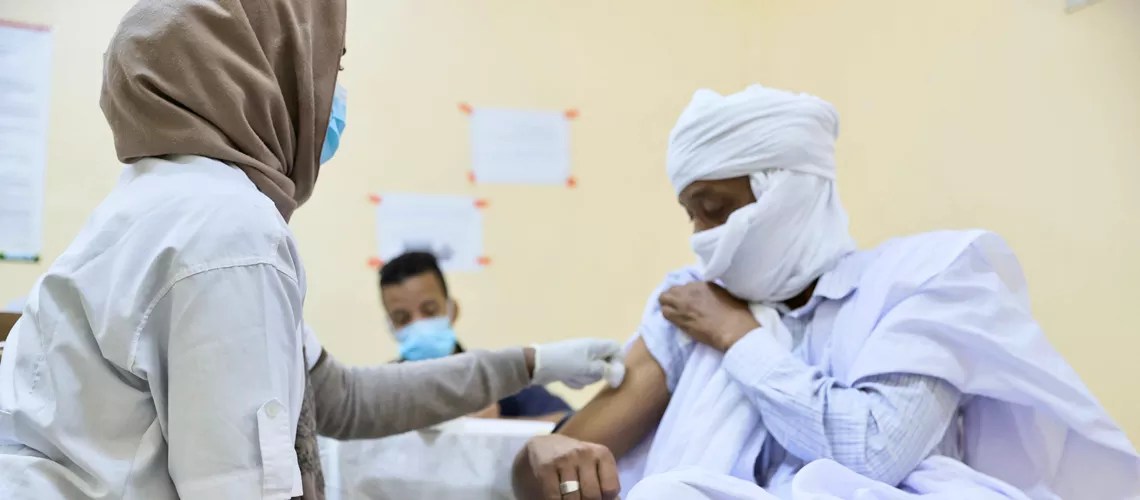 prepare for future public-health crises. Governments should focus on boosting their health systems’ resilience, which includes strengthening prevention and response capacities, improving readiness, and strengthening primary care.
Tackling the pollution crisis to support healthier people and planet
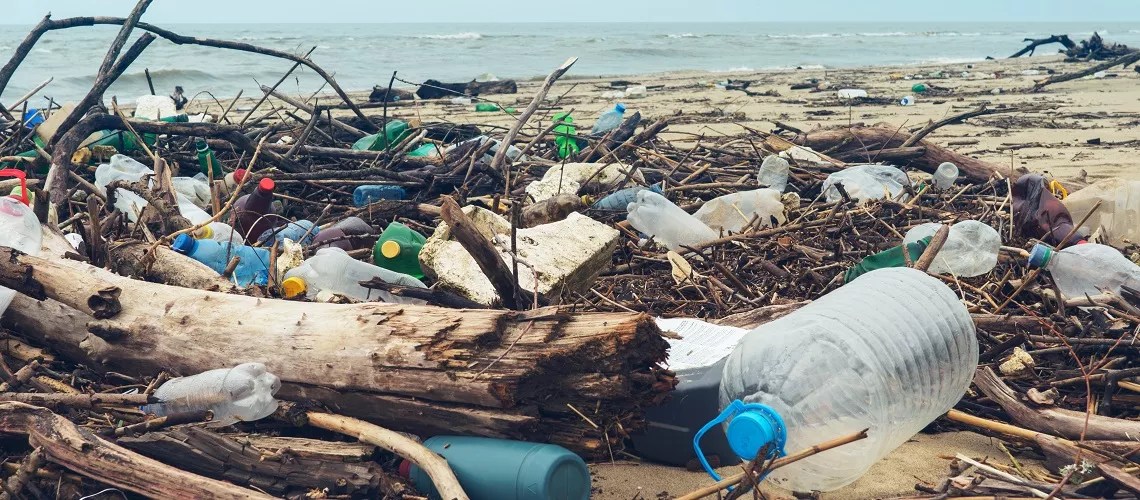
In polluted communities around the world, daily life is mired with challenges.
With nearly 33 million residents, Delhi consistently records one of the world’s highest air pollution levels . The resultant economic consequences on India’s capital city are far-reaching. Families earn less from missed days of work and medical expenses. With reduced worker productivity levels come lower profits for local businesses. In turn, the city and state governments collect less tax, impacting the following year’s budgets for building and maintaining hospitals, public transport and infrastructure, and other essential services. In 2019, this economic loss amounted to 1.08% of Delhi’s state-level GDP.
In addition to these economic effects, pollution causes the premature deaths of more than 9 million people around the world each year. Air pollution alone accounts for 7 million of these deaths – to put this staggering number into perspective, this is equivalent to the number of people that have died from COVID-19 since March 2020 dying each year. The estimated cost of the health damage caused by air pollution amounts to $8.1 trillion a year, equivalent to 6.1% of global GDP. Pollution inhibits our ability to lead productive lives.
Pollution is undermining the competitiveness and growth of economies today and setting economies up to fail tomorrow. UNICEF and Pure Earth estimate that 1 in 3 children – or up to 800 million globally – have blood lead levels at or above 5 micrograms per deciliter when any lead disrupts a child’s neurological development and can cause premature death.
And it’s not just pollution’s impact on economies that is wreaking havoc; pollution is degrading ecosystems on which the wealth of the poor depends, further eroding the ability of communities to get out of poverty. Air and other pollution lead to acid rain, a newly growing scourge across Asia. This pollutes arable lands and impacts crops. Persistent organic pollutants, heavy metals, and other chemical pollutants that reach the environment enter the food supply, impacting both food safety and food security.
On both land and sea, our habitats and ecosystems become less resilient to climate change in the face of high pollution levels. Plastics pollution is perhaps the most visible example. The unmanaged disposal of plastic destroys biodiversity and pollutes the food chain. Every year, 8 million tons of plastic escape into our oceans from coastal nations, impacting the health of our oceans and the species that inhabit them. If that isn’t enough to catalyze action, consider this: 8 million tons worth of plastic is the equivalent of placing five garbage bags full of trash on every foot of coastline around the world, according to National Geographic.
Together, the impacts of pollution spell a global crisis. Current linear economies have for too long disconnected the benefits of trade and industrialization from the degradation they leave behind. The theory behind growing now and cleaning up later has proven vulnerable to the reality of the death, disease, and economic stagnation caused by pollution. Since pollution is a problem for today’s economies and tomorrow’s economic building blocks, inaction is no longer an option. That is why the World Bank is working to clean up pollution today and help cities and countries build a low-pollution, low-emission world in which cleaner air, water, and land build green, resilient, and inclusive economies.
We are supporting countries to:
- Build robust policies, such as through supporting client countries as they negotiate on an international legally binding instrument on plastic pollution. The World Bank Group’s Pathways out of Plastic Pollution report provides good practice guidelines to support countries in their plastic pollution reduction goals.
- Build capacity for credible institutions, including stronger ministries of environment that are better able to address the cumulative environmental challenges, but also able to grasp the new opportunities offered by the circular economy.
- Construct the necessary public infrastructure to scale up circular economy approaches, including by strengthening the country’s digital architecture, “greening” public transportation, and investing in nature-based solutions.
- Unlock finance, both public and private, including by repurposing subsidies, supporting the SME financial sector ecosystem, and mobilizing international public finance and private capital.
Back in India, encouraging work is well underway. In 2019, the government launched the National Clean Air Program, which aims to improve lives and reduce particulate matter pollution by 30% by 2024. Meanwhile, in Egypt, the World Bank has supported the Government in adopting an integrated approach to tackling pollution, waste and climate change. From improving solid waste management to piloting e-buses and removing harmful fuel subsidies, the Government of Egypt is developing the building blocks for a successful circular economy.
In Indonesia, the Bank has supported the government in meeting its ambitious solid waste management goals and reducing plastic pollution. Our Plastics Policy Simulator allows policymakers to estimate the impacts of various government measures to address plastic pollution on businesses and households. These data-driven tools can help the Indonesian government develop better-informed policy interventions to reduce plastic pollution.
As the world takes strong action to reverse the impacts of climate change and biodiversity loss, tackling the pollution crisis remains of equal importance and urgency. Tackling pollution now will bring benefits today as well as tomorrow – a World Bank study found that a 20% decrease in PM2.5, a particularly harmful form of air pollution, is associated with a 16% increase in employment growth rate and a 33% increase in labor productivity.
We can do better.
Transforming Education Across Eastern and Southern Africa
Expand Systems, Equip with Skills, Empower All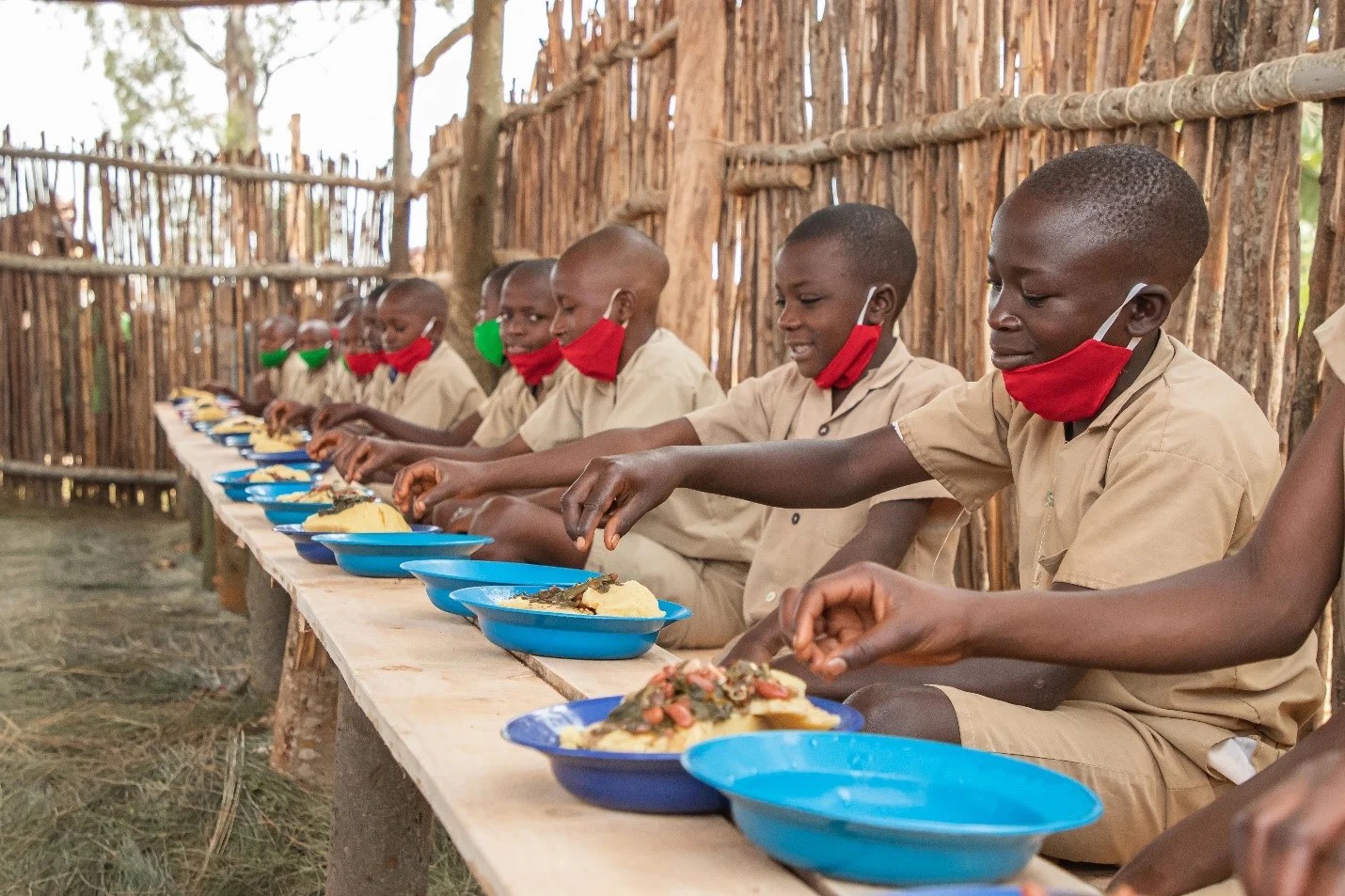 Building forward-thinking systems to turn the tide on learning poverty
In Eastern and Southern Africa, about 89% of ten-year-old children are unable to read and understand a short text, reflecting a high percentage of learning poverty that was exacerbated during the pandemic. Globally, Sub-Saharan Africa continues to have the lowest participation rate in tertiary education despite enrollment doubling globally between 2000 and 2013 across all regions of the world. And in many parts of the region, especially the fragile and conflict-prone countries, societal barriers continue to persist, keeping many girls and boys out of school and preventing women especially from being educated and becoming equal members of society.
WBG Procurement Opportunities
Interested in Doing Business with the World Bank Group? Please see selected opportunities below.
Procurement Framework and Regulations for Projects After July 1, 2016 (worldbank.org)
Education must remain a political priority in all countries
Today marks International Day of Education. It is a day to mobilize political ambition, actions,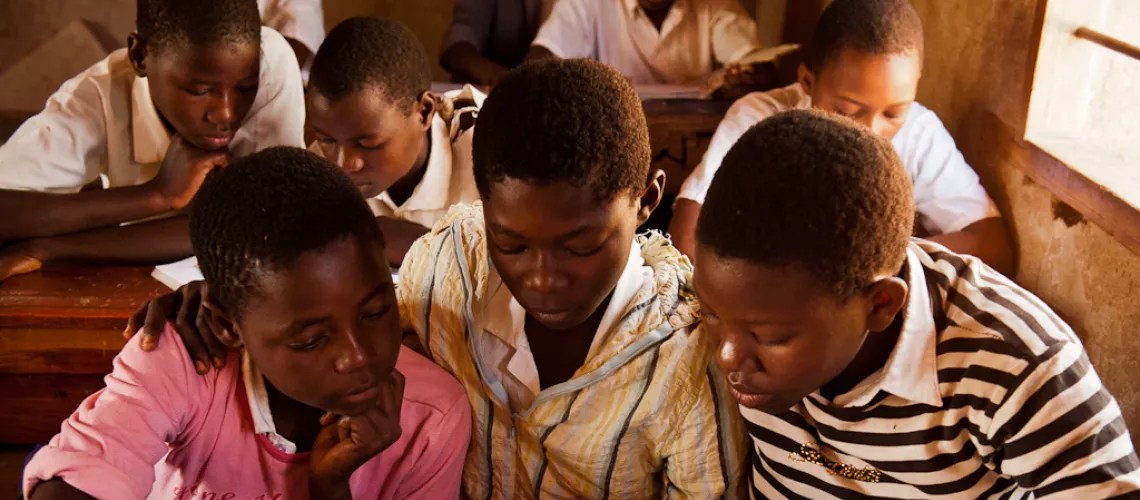 and solutions to recover learning losses due to the pandemic, while recognizing that even before the pandemic, we lived in a learning crisis.
Can African trade integration be a game changer?
New World Bank research shows the agreement among 54 countries would likely draw more foreign direct investment, amplifying its benefits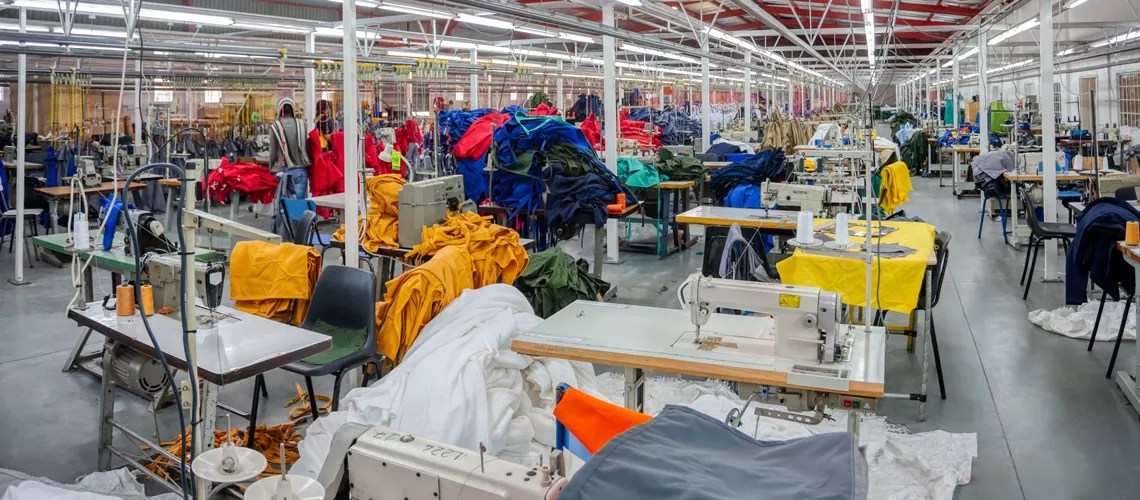
Imagine that a large African textile company wants to set up a new factory in a neighboring country to help establish a regional value chain for its production. It would likely face many months of cumbersome paperwork to obtain the necessary approvals and receive an investor license. Visa restrictions may make it difficult to bring in specialists to train local staff, while other staff may not even be allowed to work because their professional degrees are not recognized. Even after it is operational, the firm’s shipments of components could be hindered by traffic jams at border crossings, duplicative paperwork, and countless rounds of inspections.
WBG Procurement Opportunities
Interested in Doing Business with the World Bank Group? Please see selected opportunities below.
Procurement Framework and Regulations for Projects After July 1, 2016 (worldbank.org)
Newsletter: Netherlands International Development Pulse
We recently published our biannual newsletter:

More can be found: Netherlands International Development Pulse
Social Cohesion and Forced Displacement: A Synthesis of New Research
Global displacement trends are shifting. UNHCR estimates that more than 100 million people around the world were forcibly displaced as of May 2022. Global crises – including climate change, COVID-19, conflict, and rising costs of living – have increased the risk of social tensions and have highlighted the importance of social cohesion.
Watch the global launch of Social Cohesion and Forced Displacement: A Synthesis of New Research. This report synthesizes findings from a joint series of 26 working papers on forced displacement and social cohesion. This analysis offers actionable insights for policymakers and development practitioners on mitigating the negative effects of displacement and effectively promoting social cohesion.
 Netherlands for the World Bank
You must be logged in to post a comment.