
Tag Archives: Women
World Bank Group Announces Strategic Pivot in Agribusiness, Doubles Financial Commitment
Initiative will Unleash Private Investment, Boost Productivity, and Bolster Climate Resilience
WASHINGTON, October 23, 2024— The World Bank Group today announced a strategic pivot in its approach to agribusiness with a goal to create a comprehensive ecosystem for the industry. The shift will combine a new way of working with a new level of investment – doubling its agri-finance and agribusiness commitments to $9 billion annually by 2030.
The new approach arrives as four trends are fundamentally reshaping the agribusiness landscape: climate change, innovations in finance, digitalization, and solutions to fragmentation. It also aims to take advantage of demand for food that is set to increase by 60 percent in the coming decades, and respond to a critical need for jobs in emerging markets.
“We stand at a crossroads, and the path we choose today will determine the future,” said World Bank Group President Ajay Banga. “The World Bank’s ecosystem approach moves us beyond fragmented efforts to a constellation of solutions that includes everything from warehousing to logistics to production, but with smallholder farmers and producer organizations at the center.”
The ecosystem is made possible because of the work the World Bank Group has advanced over the past 16 months to become a better, simpler, more coordinated institution. The more integrated approach will bring together all the institution’s resources to offer comprehensive support and tailored solutions.
The Bank is developing a continuum with IBRD and IDA’s experience building capacity and services of the public sector; and IFC and MIGA’s financing and private sector access. Ultimately, this contiguous way of working will be seen and felt by business and government partners alike – with a goal to increase mobilization to $5 billion in 2030.
Three examples of this approach:
- The World Bank Group’s public sector arms can help countries develop regulations and standards, like those that ensure products comply with export market requirements. They can advise on land tenure solutions or develop national irrigation networks. In the area of climate finance, they can help governments repurpose some of the $1.25 trillion of fossil fuel, agriculture, and fishery subsidies to incentivize greener practices, unlocking a significant source of financing for the agricultural sector.
- The World Bank Group’s private sector teams can focus on everything from debt and equity funding to mitigating risk with guarantees, overcoming access challenges. The new, simplified World Bank Group Guarantee Platform is a key step in this transformation, making it easier to deliver tailored solutions that meet the diverse demands of our partners.
- The World Bank Group together can help smallholder farmers connect into the supply chains. IBRD can work with smallholder and producer organizations to improve their productivity and climate resilience, making them viable suppliers that can meet the scale, consistency, and high standards that larger companies need. While IFC can come in at later stages to provide financing for equipment, and connect these cooperatives with companies seeking reliable sources of production when ready for private investment.
The increase in agricultural productivity—and incomes—will help create jobs, boost revenues, and improve the quality of food and nutrition. Climate-smart production practices will mean fewer emissions and cleaner air and water. Overall, a better quality of life.
PRESS RELEASE NO: 2025/025/Planet
Replay: Creating Jobs for Young People
World Bank Group Advances Gender Strategy, Unveils Economic Opportunity Ambitions
New targets aim to accelerate use of broadband internet, social protection programs, and capital by 2030
WASHINGTON, Oct. 24, 2024 – The World Bank Group today took the first steps toward implementing Gender Strategy 2030, announcing a set of actions and concrete goals that aim to boost economic opportunities for more women.
The targets, unveiled at a flagship event during the 2024 World Bank Group Annual Meetings, will focus on use of broadband, social protection, and access to capital. These efforts will contribute to one of the three pillars of the Gender Strategy, which is dedicated to expanding and enabling women’s participation in the global economy.
2024 ANNUAL MEETINGS: Women Transforming the World
Accelerating equality is an urgent priority. We cannot end poverty on a livable planet with half  the population excluded from reaching their full potential. Join us at this World Bank’s Annual Meetings 2024 flagship event to explore how boosting women’s economic opportunities can transform our world.
We encourage you to engage and submit your questions in the chat below. Our experts will be responding live on October 24th.
Investing in women means investing in solutions for peace and progress
Unequal access to jobs and finance. Limited access to education and healthcare. Exclusion 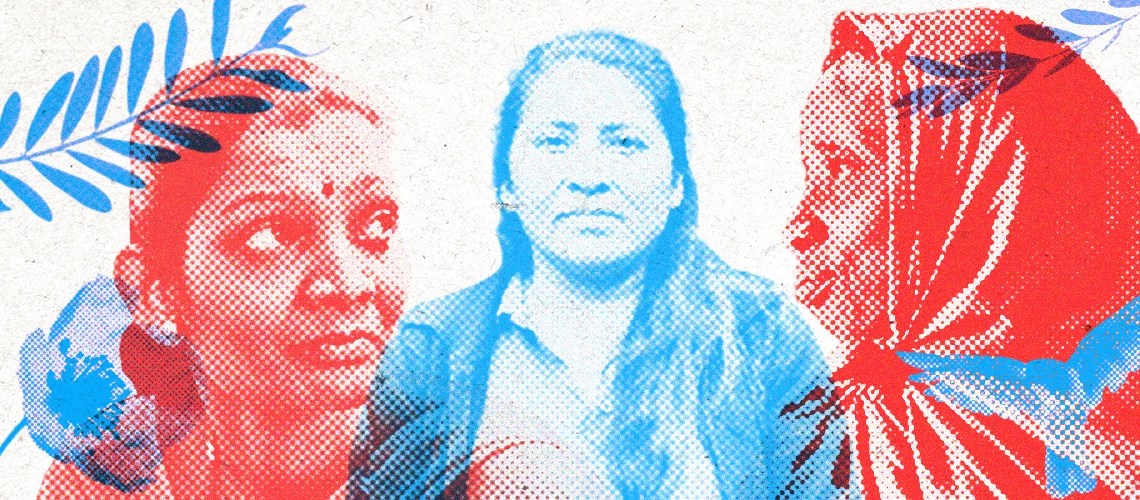 from decision-making. Risks of gender-based violence.
Women all over the world face these challenges, but even more so in countries facing fragility, conflict, and violence (FCV) where restrictive gender norms are often amplified and entrenched.
The International Monetary Fund, the World Bank Group, and the World Health Organization Step Up Cooperation on Pandemic Preparedness
WASHINGTON, Oct. 4, 2024 — The Heads of the International Monetary Fund (IMF), the World Bank Group (WBG), and the World Health Organization (WHO) have agreed on broad principles for cooperation on pandemic preparedness. This cooperation will allow a scaling up of support to countries to prevent, detect and respond to public health threats through the IMF’s Resilience and Sustainability Trust (RST), the WBG’s financial and technical support, and WHO’s technical expertise and in-country capabilities. The RST allows eligible member countries to access long-term financing at low interest rates to help implement reforms that address structural challenges to the stability of the economy, such as those posed by pandemics, and to enhance countries’ health systems resilience.
Powering progress: How Digital Public Infrastructure is transforming Latin America and the Caribbean
As the digital revolution sweeps across Latin America and the Caribbean (LAC), Digital Public 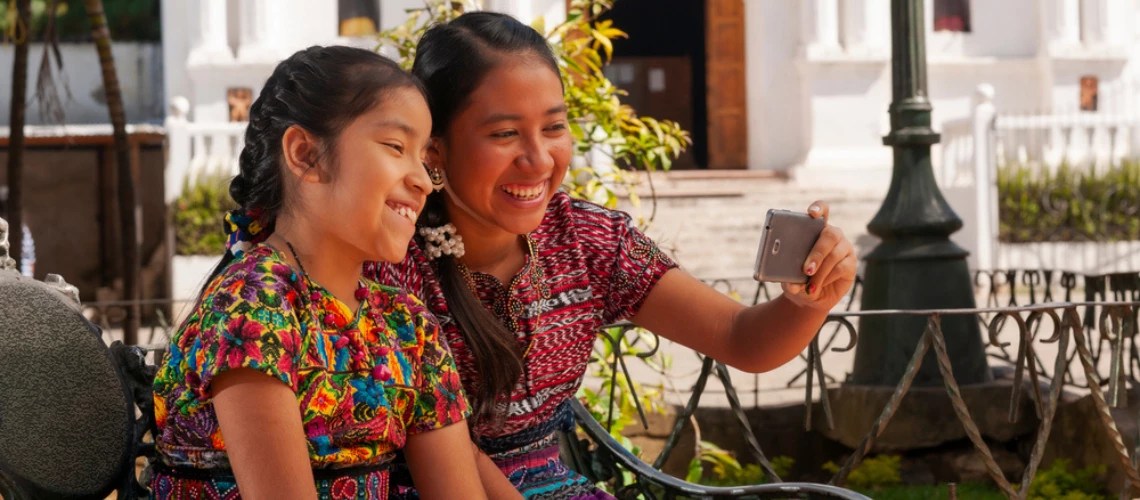 Infrastructure (DPI) is at the heart of this shift. DPI refers to the essential systems that make digital services accessible to everyone. It’s the common digital plumbing that supports digital identities, payment systems, and data-sharing networks. But how is the LAC region progressing in building these critical digital services?
High-Level Retreat in New Hampshire as part of Bretton Woods at 80 Initiative
WASHINGTON, September 24, 2024 – As part of the previously announced Bretton Woods at 80 Initiative, the IMF and the World Bank Group are hosting a high-level retreat at Bretton Woods, New Hampshire, on September 26‒27, 2024.
This two-day Chatham House Rules event will bring together a small and diverse group of global thinkers—including individuals prominent in the fields of history, international relations, political science, finance, and business—at the location of the 1944 United Nations Monetary and Financial Conference (the “Bretton Woods Conference”).
What middle-income countries can learn from America’s innovation system
The American model of innovation has long been the envy of the world. From the garage 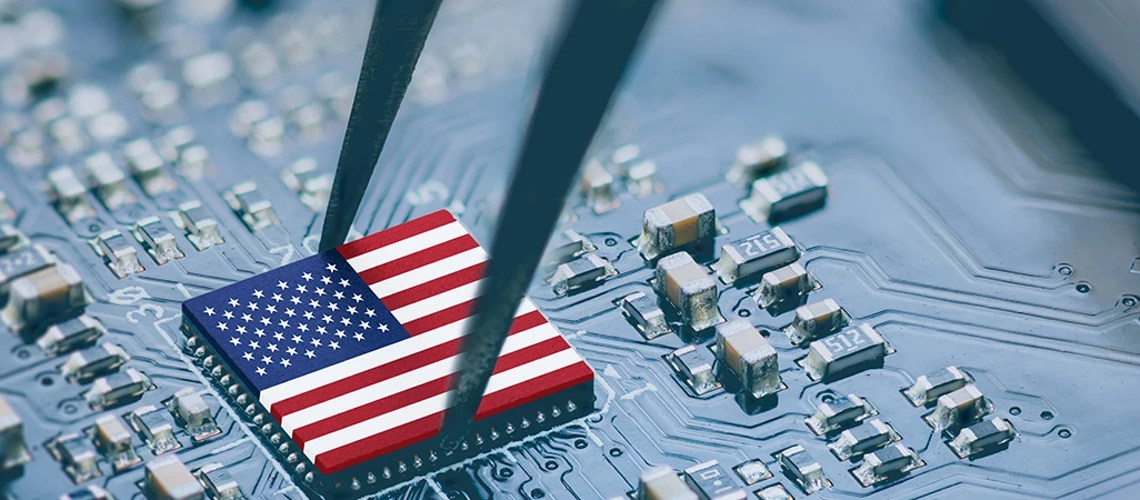 tinkerers of Silicon Valley to the research labs of prestigious universities, the United States has consistently churned out groundbreaking technologies that have reshaped industries and transformed lives. Today, the United States leads the world in the number of patents produced per person—as well as the importance of these patents.
 Netherlands for the World Bank
You must be logged in to post a comment.