
Your commute to work, the family gathering, the food on your table, and the goods you buy – all rely on transport and our lives are unthinkable without it. But transport also represents a growing threat to our planet. Buses, cars, planes, ships, and trucks burn fossil fuels, and this causes climate change.
Tag Archives: Urban Transport
eC2: Study to determine pro-poor urban transport interventions in Greater Monrovia
Deadline: 02-Apr-2019 at 11:59:59 PM (Eastern Time – Washington D.C.)
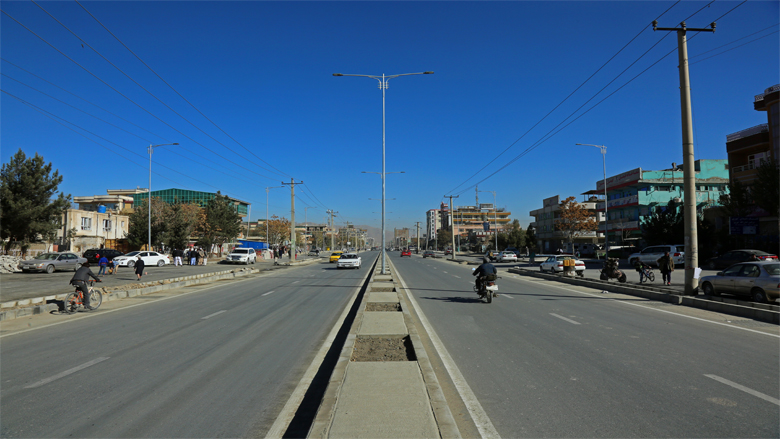
The main objective of this study is to carry out a study of supply and demand of urban transport in Monrovia, develop urban accessibility analysis, identify priority investments to meet the growing mobility demand (with a focus in poor population and vulnerable groups) and develop the concept and estimated budget for priority interventions. The study will also assess ways to enhance private sector participation in the provision of bus services. The study comprises the following activities: (i) Diagnostic of Greater Monrovias current urban mobility supply and estimation of future transport demand; (ii) Accessibility analysis to social and economic opportunities; (iii) Demand/Supply analysis; (iv)Identification of priority urban mobility investments; (v) Definition of concept and estimated cost of priority urban mobility investments; and (vi) Identification of private sector opportunities in priority investments.
The ticket to a better ride: How can Automated Fare Collection improve urban transport?
In both developed and developing countries, a growing number of cities are relying on 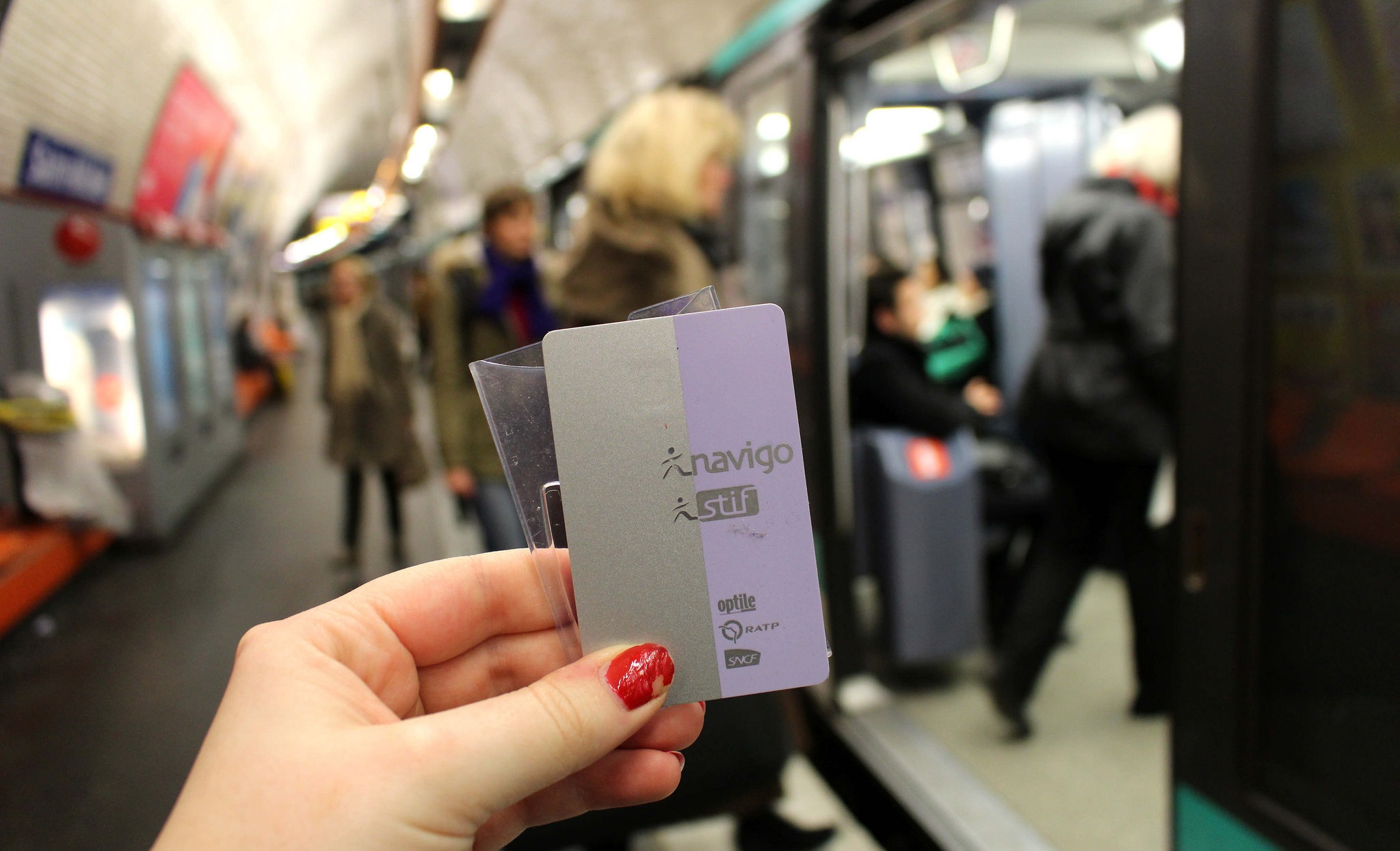 automated systems to collect public transport fares and verify payment. Far from being a gimmick, Automated Fare Collection (AFC) can bring a wide range of benefits to local governments, transport planners, operators—and, of course, to commuters themselves.
The recent Transforming Transportation 2019 conference paid a great deal of attention to the applications and benefits of AFC, which have been at the heart of many World Bank and IFC-supported urban mobility projects.
Toward Great Dhaka: Seize the golden opportunity
Had you looked across Shanghai’s Huangpu River from west to east in the 1980s, you  would mostly have seen farmland dotted with a few scattered buildings. At the time, it was unimaginable that East Shanghai, or Pudong, would one day become a global financial centre; that its futuristic skyline, sleek expressways, and rapid trains would one day be showcased in blockbusters like James Bond and Mission Impossible movies! It was also unimaginable that the Shanghainese would consider living in Pudong.
How wrong that would have been! Pudong is now hosting some of the world’s most productive companies, and boosting some of the city’s most desirable neighbourhoods. And Shanghai has become China’s most important global city, lifting the entire hinterland with it.
Innovation in the air: using cable cars for urban transport
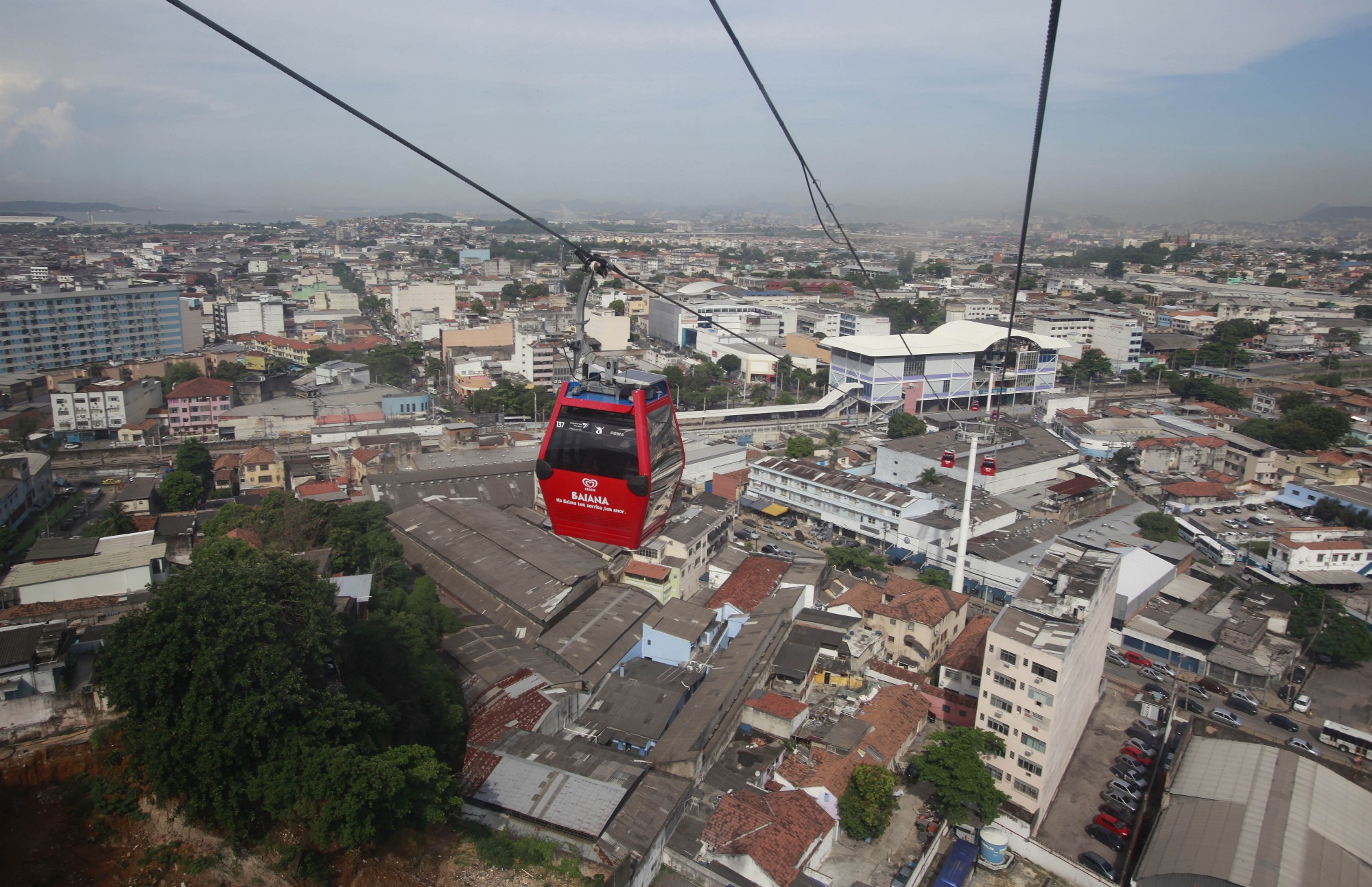 Invented over a century ago for exploring mountainous regions, aerial cable cars have recently made an appearance in several big cities, where they are being used as an alternative to conventional urban transport modes. This technology uses electrically-propelled steel cables to move suspended cars (or cabins) between terminals at different elevation points.
The tipping point. The emergence of cable cars in urban transport is fairly new. Medellín, Colombia pioneered the use of cable cars for urban transport when it opened its first “Metrocable” line in 2004. Since then, urban cable cars have grown in popularity around the world, with recent projects in Latin America (Rio de Janeiro, Caracas, Guayaquil, Santo Domingo, La Paz, and Medellín), Asia (Yeosu, South Korea, Taiwan, Hong Kong), Africa (Lagos, Constantine), and Europe (London, Koblenz, Bolzano). Cable cars can be an attractive urban transport solution to connect communities together when geographical barriers such as hills and rivers make other modes infeasible.
Urban Transport Program Helps Keep Kabul Clean
STORY HIGHLIGHTS
- Improved drainage is one of the many benefits of a newly rebuilt main road in Kabul.
- Commuters and residents alike are benefiting from the improved traffic flow, clean environment, and safer traffic conditions as a result of the reconstruction project by Kabul Municipality under the Kabul Urban Transport Efficiency Improvement Project.
- The main road is one of six that have been resurfaced to improve road conditions, transport, and access in the capital city.
 Netherlands for the World Bank
You must be logged in to post a comment.