
Tag Archives: Transforming
Law, Justice and Development Week 2023
Tackling Food Insecurity
Stories of resilience from Madagascar, the Central African Republic, and Egypt
Are climate change and drought connected? We asked Richard Damania, the World Bank’s Chief Economist for Sustainable Development, and two experts from the Bank’s Sustainable Development unit: Senior Economist Esha Zaveri and Senior Climate Change Specialist Nathan Engle. The three are authors of the paper, Droughts and Deficits: Summary Evidence of the Global Impact on Economic Growth.
World Bank Announces New Steps to Add Billions in Financial Capacity
The World Bank is taking bold new steps to increase its lending capacity, a major boost in firepower that will give millions of people a chance to escape poverty and improve their lives. At this critical moment in history, and echoing the calls from the international community, the Bank is doubling down to tackle intertwined challenges – jobs, climate, fragility, and pandemics. These efforts entail decisive action to build a better Bank to achieve a world free of poverty on a livable planet.
World Bank and IDB Join Forces to Maximize Development Impact
Partnership will boost innovation and unlock opportunities across Latin America and the Caribbean
WASHINGTON, August 31, 2023 ― The World Bank and the Inter-American Development Bank (IDB) today announced a groundbreaking four-year partnership to drive stronger results for people in Latin America and the Caribbean.
How a new financing pact can help climate-vulnerable countries
This blog originally appeared in the Project Syndicate on September 8, 2023
Amid an escalating climate emergency and a global debt crisis, calls for a new “fit for climate” global financial architecture are growing louder throughout the developing world. The urgent need for decisive action has been underscored by Barbadian Prime Minister Mia Mottley’s Bridgetown Initiative, the V20 group of climate-vulnerable countries, and the recent Paris Summit for a New Global Financing Pact. This week’s Africa Climate Summit in Nairobi presented a unique opportunity to promote much-needed measures to support low-income countries in pursuing sustainable growth.
Tackling Food Insecurity
Stories of resilience from Madagascar, the Central African Republic, and Egypt
We couldn’t even figure out how to face the next day or find food for our children.”
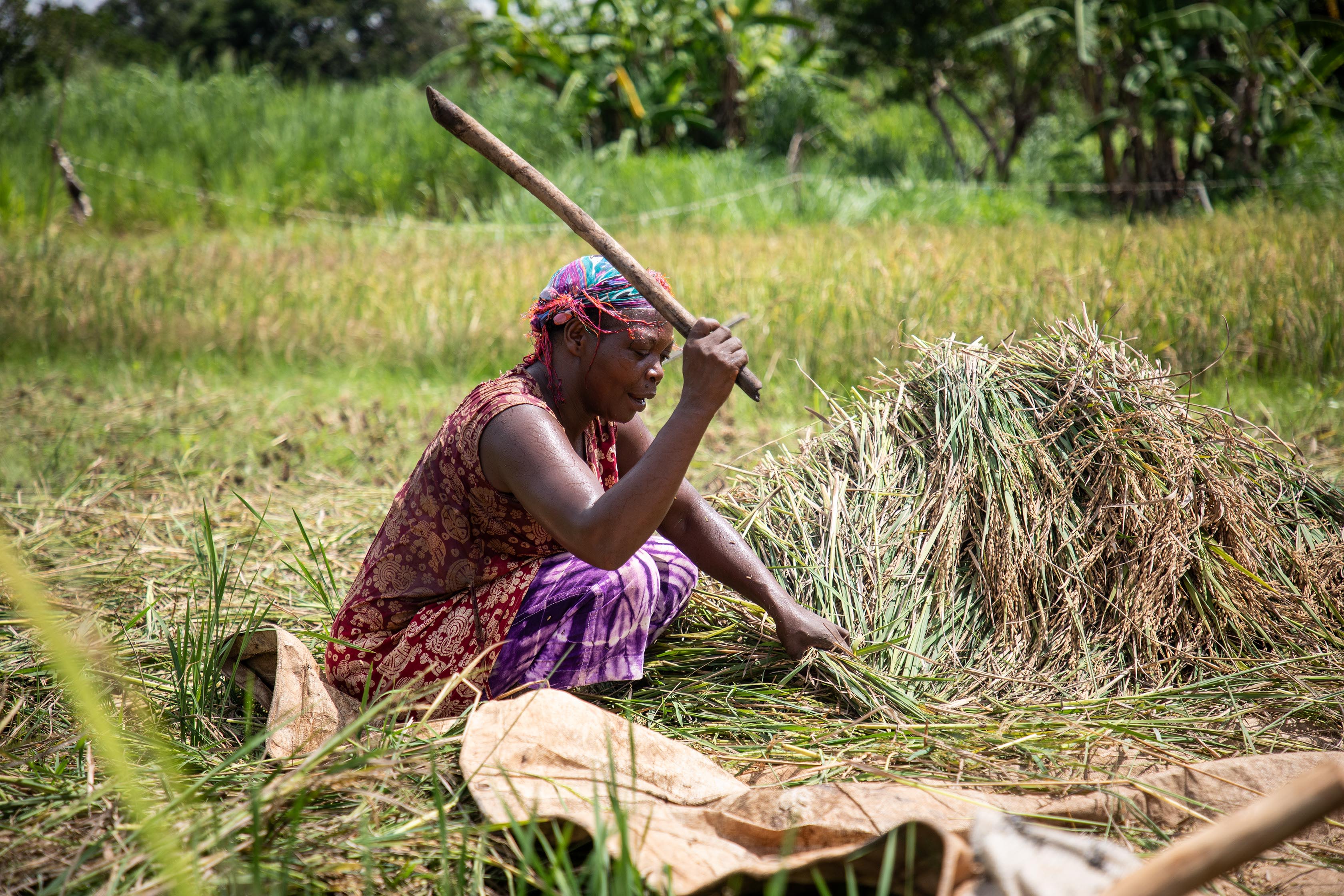
Volatsarasoa is a mother of four who lives in the village of Malangy, near the southern tip of Madagascar in one of the poorest regions in the country. With a fifth child on the way, she spends a lot of time thinking about a prosperous future for her children by learning from the experiences of her recent past.
When the El Niño phenomenon hit during the 2015-16 rainy season, Madagascar recieved just 50-80% of its normal precipitation – triggering a drought and crop yields that were 90% below normal.
“Me, my husband, and my children suffered a lot because there was no food, and we were starving. We barely ate, most of the time just a cup of rice for all of us, and only in the evening. It was very hard, and we couldn’t even figure out how to face the next day or find food for our children with everything going on I was worried. I was panicked.”
What Is Food Security and How Is the World Bank Supporting the Most Vulnerable Households?
Building a better food system
More people than ever before—828 million, according to the most recent estimates—do not know where their next meal will come from. Yet we are producing more food than ever, with cereal grain production at an all-time high. How did we get so far off track in ending hunger and how do we get back on course?
What do youth need from us right now?
Around the world, nearly 1 in 5 youth ages 15-24 are unemployed, or part of the labor force but without a job. Among children ages 10-19, 1 in 7 experience a mental disorder. Nearly 6 in 10 ten-year-old children in low- and middle-income countries cannot read and comprehend a simple paragraph. These numbers do not bode well for future innovation and economic growth. By 2050, the people who are under 25 today will compose more than 90 percent of the prime-age workforce.
 Netherlands for the World Bank
You must be logged in to post a comment.