Business Ready (B-READY) 2024 report assesses the regulatory framework and public services directed at firms, and the efficiency with which regulatory framework and public services are combined in practice.

Business Ready (B-READY) 2024 report assesses the regulatory framework and public services directed at firms, and the efficiency with which regulatory framework and public services are combined in practice.
Unequal access to jobs and finance. Limited access to education and healthcare. Exclusion 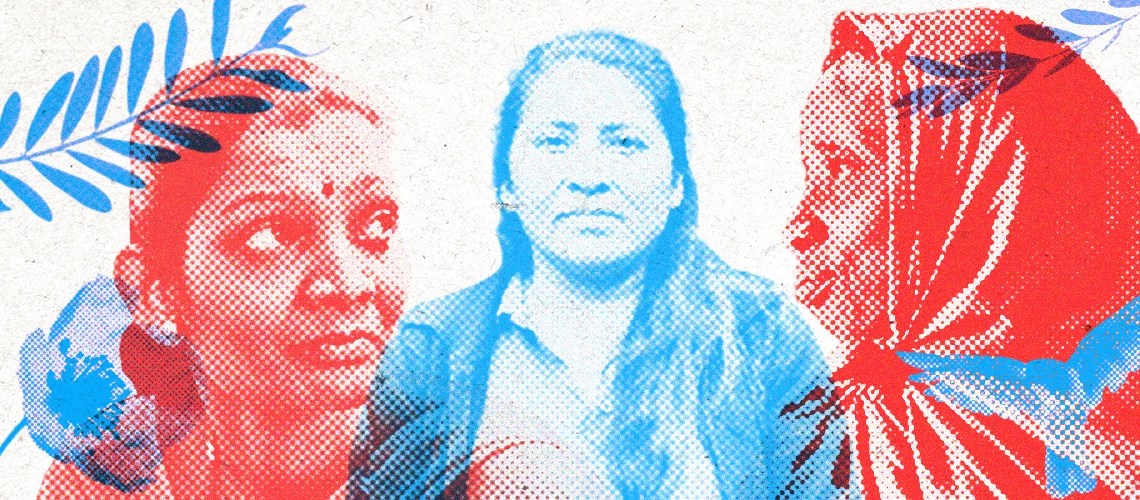 from decision-making. Risks of gender-based violence.
Women all over the world face these challenges, but even more so in countries facing fragility, conflict, and violence (FCV) where restrictive gender norms are often amplified and entrenched.
WASHINGTON, Oct. 4, 2024 — The Heads of the International Monetary Fund (IMF), the World Bank Group (WBG), and the World Health Organization (WHO) have agreed on broad principles for cooperation on pandemic preparedness. This cooperation will allow a scaling up of support to countries to prevent, detect and respond to public health threats through the IMF’s Resilience and Sustainability Trust (RST), the WBG’s financial and technical support, and WHO’s technical expertise and in-country capabilities. The RST allows eligible member countries to access long-term financing at low interest rates to help implement reforms that address structural challenges to the stability of the economy, such as those posed by pandemics, and to enhance countries’ health systems resilience.
Washington DC, October 7th, 2024 – Developing East Asia and Pacific (EAP) is continuing to grow faster than the rest of the world in 2024, but slower than before the pandemic, the World Bank said in its semi-annual economic outlook for the region – the East Asia and Pacific Economic Update.
In spite of a commendable decline in stunting rates over the past 30 years, 148 million children  worldwide remain stunted. The condition impairs their growth, health, development, and education and has long-term consequences for their future wellbeing.
As the digital revolution sweeps across Latin America and the Caribbean (LAC), Digital Public 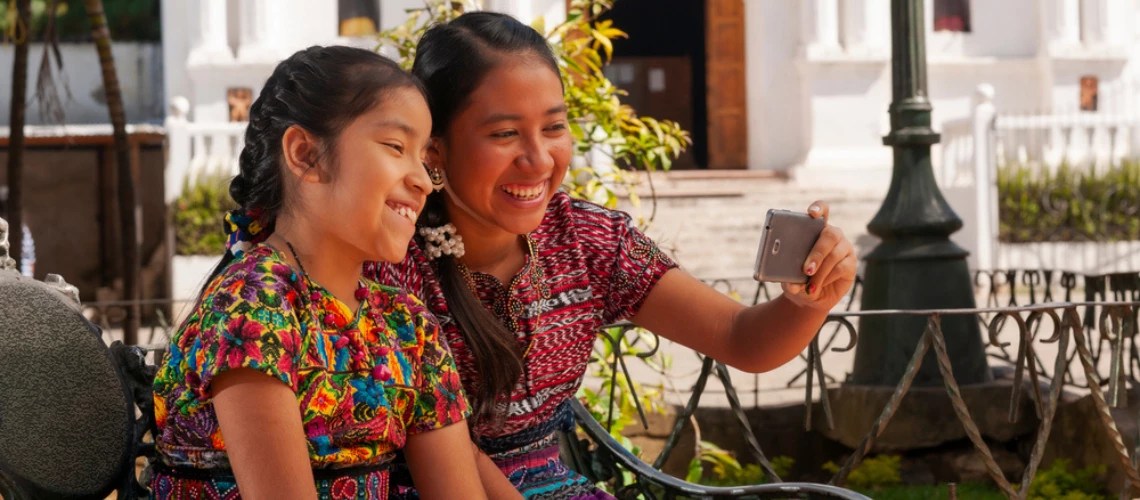 Infrastructure (DPI) is at the heart of this shift. DPI refers to the essential systems that make digital services accessible to everyone. It’s the common digital plumbing that supports digital identities, payment systems, and data-sharing networks. But how is the LAC region progressing in building these critical digital services?
Financial sector vulnerabilities in emerging market and developing economies (EMDEs) are largely divided along income lines. While vulnerabilities are low to moderate in higher-income EMDEs, half of lower-income countries face much higher risks. In addition, progress on financial development goals such as local capital market deepening has stalled in many countries. Advances, however, have been made on financial inclusion for individuals and in efforts to green the financial sector.
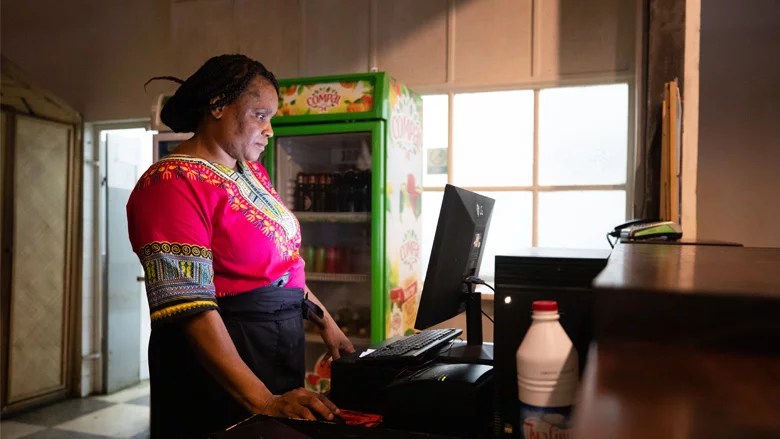
The forest is for us… It is what we have. It helps us maintain our livelihoods.
Her Excellency Sylvanie Burton
President of the Commonwealth of Dominica
Continue reading Netherlands for the World Bank
You must be logged in to post a comment.