How to scale up renewable energy investments

Dependence on fossil fuels in many countries leads to a vicious cycle of increasing costs,virtuous cycle1 higher energy prices for consumers, more pollution that impacts people’s health, and higher greenhouse gas emissions that endanger the planet. In contrast, transitioning to renewable energy can unlock a virtuous cycle that produces lower-cost electricity for consumers, builds resilience, and helps mitigate climate change. 

However, renewable energy projects do not materialize, and countries remain trapped in the vicious cycle. This happens despite the fact that many developing countries have some of the best solar and wind resources in the world. So how can we support governments to break free from fossil fuel dependency and catalyze the virtuous cycle for clean energy?
Continue reading

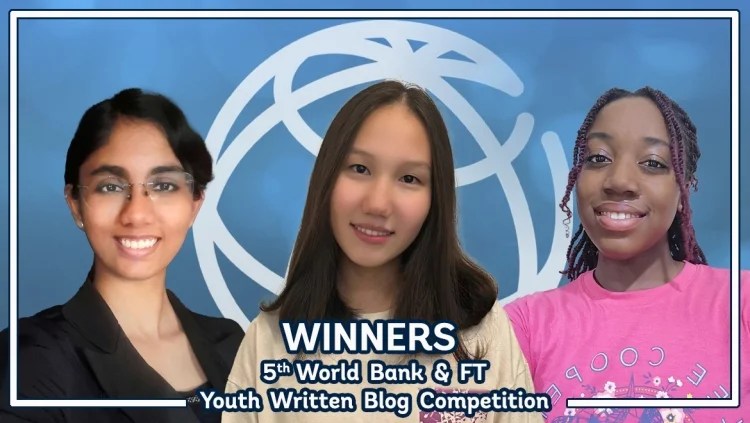
Announcing winners of the fifth World Bank and Financial Times youth blog competition

It’s been a complicated—and often frustrating—few years for students all over thethumbnail_2023_ft-wb_blog_winners_-_framed world. The COVID-19 pandemic profoundly changed the way children around the world learn.  Remote classes. Closures. Masks. It was a lot to deal with, and the long-term consequences could be severe.

Continue reading

Reforms could boost World Bank lending to developing countries by nearly $190 bln -study

WASHINGTON, Sept 26 (Reuters) – Reforming the World Bank’s approach to risk could unlock nearly $190 billion in additional urgently needed lending for developing countries without jeopardizing its AAA credit rating, a study commissioned by the Rockefeller Foundation found.

Continue reading

Tackling Food Insecurity

Stories of resilience from Madagascar, the Central African Republic, and Egypt

Global Trends in Child Monetary Poverty According to International Poverty Lines

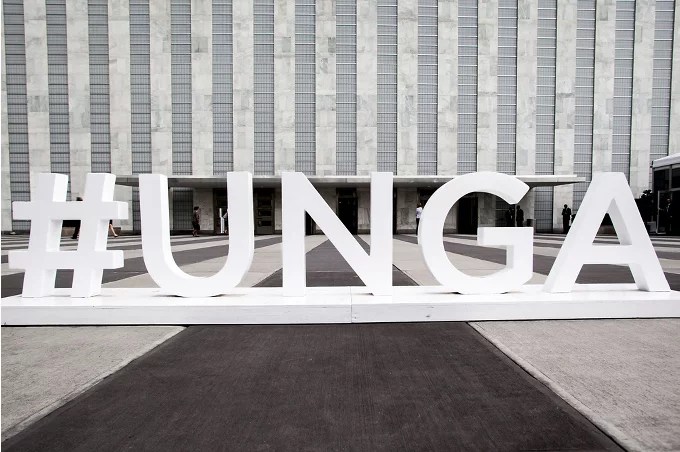
The World Bank and the 78th Session of the UN General Assembly (UNGA)

The world is off-track to achieve the Sustainable Development Goals (SDGs), which haveUNGA-building devastating implications for people’s lives worldwide. Evidence from the World Bank’s Atlas of the SDGs shows that some 574 million people—nearly seven percent of the world—will be severely restrained by extreme poverty in 2030 unless the poorest countries grow at rates never seen before.

Continue reading

World Bank and IDB Join Forces to Maximize Development Impact

Partnership will boost innovation and unlock opportunities across Latin America and the Caribbean

WASHINGTON, August 31, 2023 ― The World Bank and the Inter-American Development Bank (IDB) today announced a groundbreaking four-year partnership to drive stronger results for people in Latin America and the Caribbean.

Continue reading

How a new financing pact can help climate-vulnerable countries


This blog originally appeared in the Project Syndicate on September 8, 2023blog-a-new-financing-pact-for-climate-vulnerable-countries-1440x500.jpg


Amid an escalating climate emergency and a global debt crisis, calls for a new “fit for climate” global financial architecture are growing louder throughout the developing world. The urgent need for decisive action has been underscored by Barbadian Prime Minister Mia Mottley’s Bridgetown Initiative, the V20 group of climate-vulnerable countries, and the recent Paris Summit for a New Global Financing Pact. This week’s Africa Climate Summit in Nairobi presented a unique opportunity to promote much-needed measures to support low-income countries in pursuing sustainable growth.

Continue reading

World Bank Statement on Morocco Earthquake

WASHINGTON, September 9, 2023―The World Bank today issued the following statement in the wake of the Morocco earthquakes:

“Our hearts go out to the people of Morocco, who are suffering the effects of devastating earthquakes that have caused a tragic loss of life, injuries, and damages in the areas south of Marrakech. We have relayed our profoundest condolences to the Kingdom at the highest levels and offered our full support to the country in the wake of this catastrophe. Our sole focus at this stage is on the Moroccan people and the authorities who are dealing with this tragedy.” 

Contacts:

In Washington: Ashraf Al-Saeed, +1-202-473-1187, aalsaeed@worldbank.org

In Rabat: Meryam Benjelloun, +212659597046, mbenjelloun@worldbankgroup.org