
The World Bank is taking bold new steps to increase its lending capacity, a major boost in firepower that will give millions of people a chance to escape poverty and improve their lives. At this critical moment in history, and echoing the calls from the international community, the Bank is doubling down to tackle intertwined challenges – jobs, climate, fragility, and pandemics. These efforts entail decisive action to build a better Bank to achieve a world free of poverty on a livable planet.
Tag Archives: IFC
We are still unprepared for the next pandemic. But we can fix this.
We live in a world where the risks of pandemics – particularly with zoonotic origins – are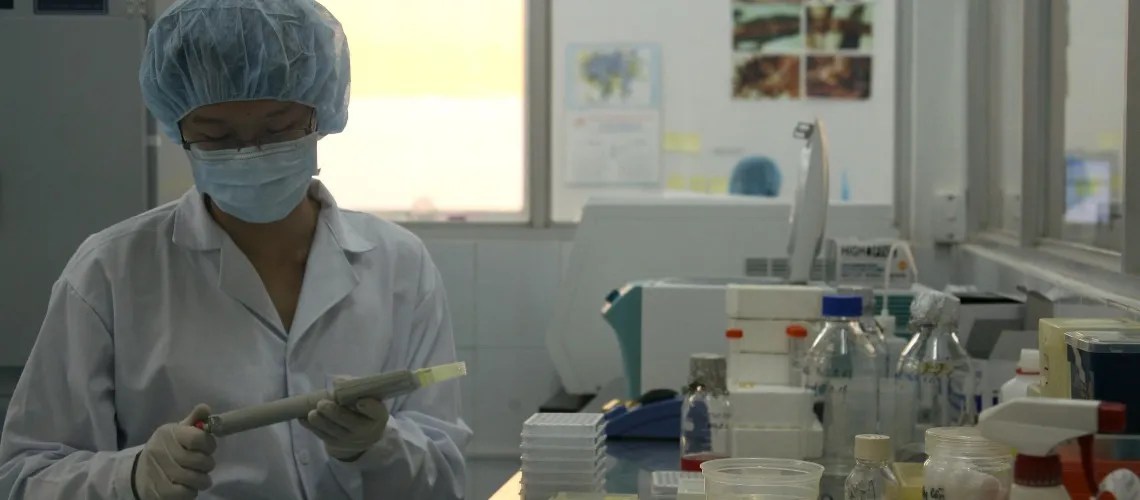 growing, driven by climate change, deforestation, changing land use patterns, food systems, water shortages, and urbanization. As the WHO has warned, the question is not if there will be another pandemic, it’s when.
Water knows no borders: Transboundary cooperation is key to water security and avoiding conflict
As pressure mounts on the world’s freshwater resources, closer international cooperation is  needed to manage the world’s shared rivers, aquifers, and lakes. For decades, the World Bank Group has supported programs to foster cooperation over water as part of ensuring water security for all in support of sustainable development and job creation.
The Interlocking Challenges of Climate Change and Poverty | The Development Podcast
FEATURING: Richard Damania, Chief Economist for Sustainable Development, World  Bank / Roselyn Fosuah Adjei, Director of Climate Change for the Ghana Forestry Co
The World Bank Group is aligning its financing with the Paris Agreement goals on climate change. This is important, as it keeps us focused on containing the warming of the earth to well below 2 degrees, and preferably 1.5 degrees Celsius, while achieving sustainable development and ending poverty. What does this mean and what will it take to achieve it? We asked Jennifer Sara, Global Director of the World Bank’s Climate Change Group; and Stephane Guimbert, Director of Operations Policy & Country Services to explain.
IFC: Creating New Commercial Relationships in India
The National Recovery Program Bureau (NRPB) is pleased to announce an upcoming procurement information session aimed at raising awareness among the local, regional, and even the international market on essential aspects when bidding for Sint Maarten Trust Fund projects. This initiative seeks to promote transparency, inclusivity, and efficiency in the procurement process while enhancing the potential for participation of small companies in Sint Maarten.
World Bank Names 15 Leading CEOs and Chairs to Join the Private Sector Investment Lab
LONDON, July 10 2023 – The World Bank today announced the 15 Chief Executive Officers and Chairs who will make up the Private Sector Investment Lab. The founding members comprise a core group charged with developing solutions to address the barriers to private sector investment in emerging markets. The quality of their individual – and combined – expertise, leadership, and success in business and finance underscores the growing momentum, and level of commitment, for public and private collaboration to address global challenges and urgently scale development solutions.
Putting Mobile Phone Data to Work for Development
ATLAS of Sustainable Development Goals 2023
The Atlas draws from the World Bank’s World Development Indicators database, as well as from a wide variety of relevant data sources, including international organizations, scientists, and other researchers worldwide.
We hope readers will find this fourth edition in the Atlas series engaging and informative, and will be inspired to discover, understand, and visualize progress towards achieving the SDGs, adopted by all member states of the United Nations in 2015.
Check out this video introducing the 2023 SDG Atlas. Tell us what you think on Twitter or at data@worldbank.org.
More Information
IFC: Creating New Commercial Relationships in India
Over one hundred participants converged in Mumbai for networking and to share lessons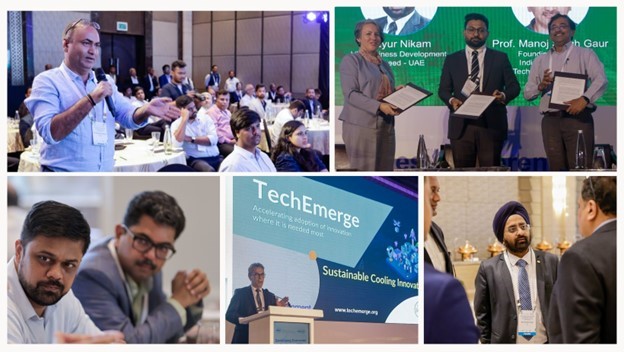 learned from three years of TechEmerge sustainable cooling pilots. Leading corporates—including Indian Hotels Company Ltd (IHCL), Chalet Hotels, Tata Realty, and others—joined IFC India Country Head, Wendy Werner, and TechEmerge manager, Selcuk Tanatar, for a deep dive on the future of cooling and financing mechanisms to scale up these climate-smart solutions. A representative from our development partner, the UK’s Department for Energy Security & Net Zero, delivered opening remarks. The event also included the signing of an MoU among IFC, the Indian Institute for Technology in Jammu, and district-energy company Tabreed, our partner in the TechEmerge Cooling Innovation Lab in India.
Please keep an eye out for more TechEmerge events showcasing sustainable cooling innovations and financing tools, including a global summit in October in Birmingham in the UK.
Fish, Not Plastics: Science to Rescue Africa’s Sea Pollution
 Netherlands for the World Bank
You must be logged in to post a comment.