Every two months, Marcelina Ngandu collects her cash transfer from the Zambian government and invests it in her small doughnut business. “I buy baking flour and make doughnuts for selling,” says Marcelina, a widow, who uses the money she makes to support her late sister’s five children. “From my last bi-monthly payment of 300 Kwacha ($14), I made doughnuts and sold them for 400 Kwacha that helps me pay for school fees for the orphaned children I look after. I urge all other widows to not only eat the money but grow it like I do.”
Low-income countries face a sweeping debt crisis, making it all the more urgent for the IDA21 replenishment to be the largest ever.
Ballooning debt payments are pulling scarce resources from development priorities, threatening hard-won development gains and investment in people and environment.
Private lending to low-income countries has evaporated, leaving the World Bank and other multilateral development banks the lender of last resort for many countries—particularly the poorest.
“To create a world free of poverty – on a livable planet.”
This vision and mission will test the sincerity of our ambition – it sets us on a journey that will require reimagined partnerships, a new way of working and thinking, an innovative plan to scale and replicate, additional resources, and optimism for what could be possible.
In all corners of the globe, people are eager to go to work, and to create with their own hands. They want a better life for their children and grandchildren.
We must be the hand on the back – moving people forward. We must be an institution that exports optimism and impact.
During the World Bank Group-International Monetary Fund Annual Meetings that took place from October 9-15, we brought you live events that focused on what it would take to end poverty on a livable planet. Speakers included central bankers, ministers, private sector executives, civil society representatives, youth leaders, academics, and others on issues facing our world at that time. Together, we explored the new playbook needed to respond to intertwined global challenges. We discussed solutions that worked on the ground in developing countries, strategies to boost jobs, digital infrastructure, and climate action.
You can revisit these discussions with the hashtag #WBmeetings and watch the event replay in English, Arabic, French and Spanish.
Remarks by World Bank Group President Ajay Banga at the 2023 Annual Meetings Plenary
“To create a world free of poverty – on a livable planet.”
This vision and mission will test the sincerity of our ambition – it sets us on a journey that will require reimagined partnerships, a new way of working and thinking, an innovative plan to scale and replicate, additional resources, and optimism for what could be possible.
In all corners of the globe, people are eager to go to work, and to create with their own hands. They want a better life for their children and grandchildren.
We must be the hand on the back – moving people forward. We must be an institution that exports optimism and impact.
However, renewable energy projects do not materialize, and countries remain trapped in the vicious cycle. This happens despite the fact that many developing countries have some of the best solar and wind resources in the world. So how can we support governments to break free from fossil fuel dependency and catalyze the virtuous cycle for clean energy?
WASHINGTON, Sept 26 (Reuters) – Reforming the World Bank’s approach to risk could unlock nearly $190 billion in additional urgently needed lending for developing countries without jeopardizing its AAA credit rating, a study commissioned by the Rockefeller Foundation found.

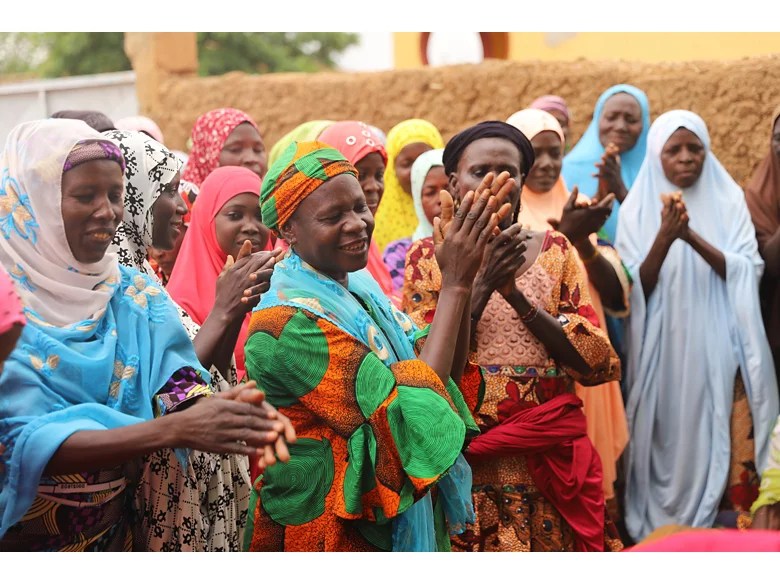 government and invests it in her small doughnut business. “I buy baking flour and make doughnuts for selling,” says Marcelina, a widow, who uses the money she makes to support her late sister’s five children. “From my last bi-monthly payment of 300 Kwacha ($14), I made doughnuts and sold them for 400 Kwacha that helps me pay for school fees for the orphaned children I look after. I urge all other widows to not only eat the money but grow it like I do.”


 higher energy prices for consumers, more pollution that impacts people’s health, and higher greenhouse gas emissions that endanger the planet. In contrast,
  world.
  Netherlands for the World Bank
You must be logged in to post a comment.