As Prepared for Delivery
Thank you for the kind introduction.
For me, this moment marks the culmination of a journey that began over a year ago—when I first started at the World Bank and promised to visit every region where we operate.

As Prepared for Delivery
Thank you for the kind introduction.
For me, this moment marks the culmination of a journey that began over a year ago—when I first started at the World Bank and promised to visit every region where we operate.
WASHINGTON, September 19, 2024 — The World Bank Group delivered a record $42.6 billion in climate finance in fiscal year 2024—which covers July 1, 2023 to June 30, 2024—supporting efforts to end poverty on a livable planet, investing in cleaner energy, more resilient communities, and stronger economies. This is a 10% increase in climate finance compared to the previous year.
SUVA, September 10, 2024 –Leaders from across Pacific Island countries have called for a robust 21st replenishment of the World Bank’s International Development Association (IDA21), echoing the call from African Heads of State who agreed in April on a bold transformation agenda with IDA as a cornerstone. Hosted by the Pacific Islands Forum Secretariat, leaders and representatives from 11 countries met with World Bank Group President Ajay Banga last week and reaffirmed IDA’s critical role in supporting Pacific islands as they work to boost development and climate resilience.
Less than an hour after landing in Port-au-Prince, Haiti, on Wednesday last week we were 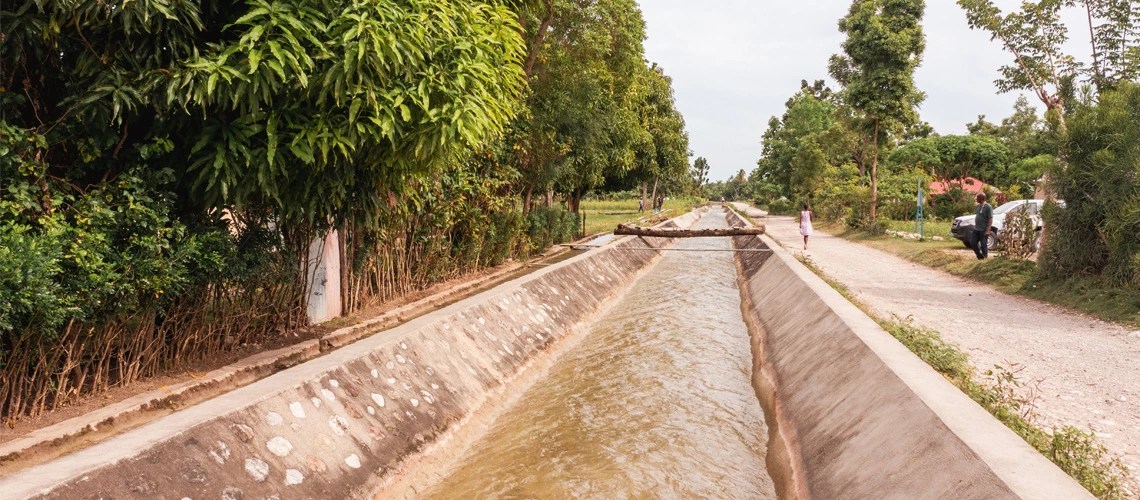 already at the National Emergency Operation Center of the Direction Générale de la Protection Civile discussing how the International Development Association (IDA) can help strengthen the country’s disaster risk management capacity. Remarkably, the center was launched in May 2024 despite the ongoing security and political crisis at the time, demonstrating the resilience of the IDA program implementation in Haiti. We witnessed similar results in other programs and during the field visit to the Southern Peninsula, where IDA projects are having a visible impact on the lives of the Haitian residents of that area.
Biodiversity conservation is vital for sustainable development, poverty alleviation,  and a livable planet. It sustains ecosystems that support human livelihoods, particularly in developing nations, by providing essential resources like food, clean water, and climate stability. Healthy ecosystems are crucial for agriculture, fishing, and forestry, which reduce poverty and foster sustainable economic growth. Additionally, biodiversity fuels industries such as ecotourism and pharmaceuticals, generating jobs and income. Maintaining biodiversity strengthens ecosystem resilience, stabilizes climate, and mitigates climate change impacts, making it key to environmental health and global sustainability.
The American model of innovation has long been the envy of the world. From the garage  tinkerers of Silicon Valley to the research labs of prestigious universities, the United States has consistently churned out groundbreaking technologies that have reshaped industries and transformed lives. Today, the United States leads the world in the number of patents produced per person—as well as the importance of these patents.
WASHINGTON, Sept. 4, 2024 – A staggering 400 million students globally experienced school closures from extreme weather since 2022, according to a new World Bank report released today. The report examines the detrimental impacts of climate change on education in low- and middle-income countries and offers solutions to harness education to spur climate action. It also estimates that a one-time investment of $18.51 per child can mitigate the impact from climate shocks.
Globally, a billion people live more than two kilometers from an all-weather road, 685 million people are without electricity, and nearly 3 billion people lack internet access. In addition, 2.6 billion people don’t have access to safe drinking water and 3.5 billion people lack safely managed sanitation.
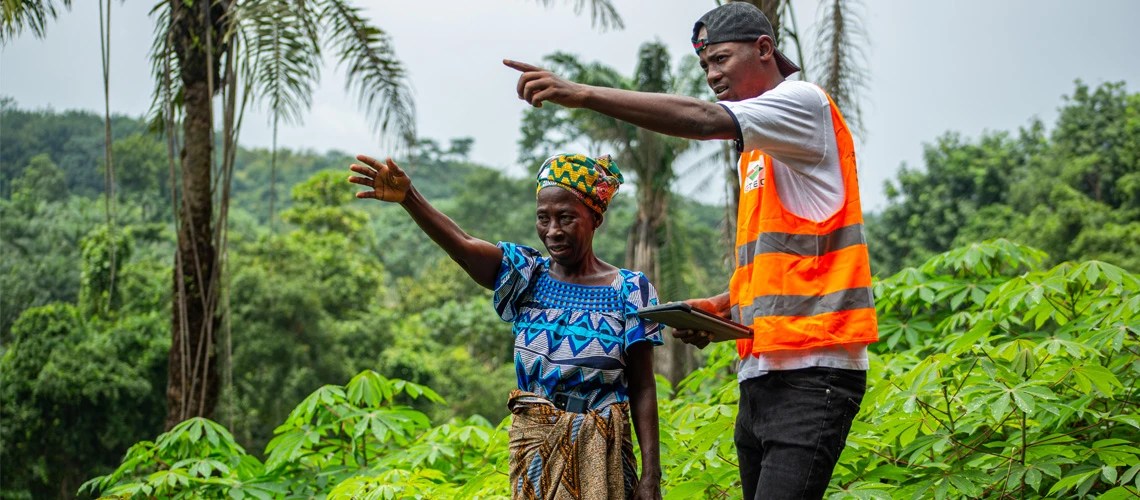 significant gaps remain around the world.
 Netherlands for the World Bank
You must be logged in to post a comment.