
|
Dear Reader, |
Tag Archives: Foreign aid
The role of ethical leadership in curbing corruption
As much as researchers try to isolate the factors of success in controlling corruption, whether it be at a national scale or that of a particular organization, there is always a residual unexplained element. It may be attributed to culture, systems, or other factors, but one catalytic ingredient is almost always leadership.
We can’t have a world without poverty in a world with plastic pollution
When future generations share the story of plastic pollution, it will include graphic images of 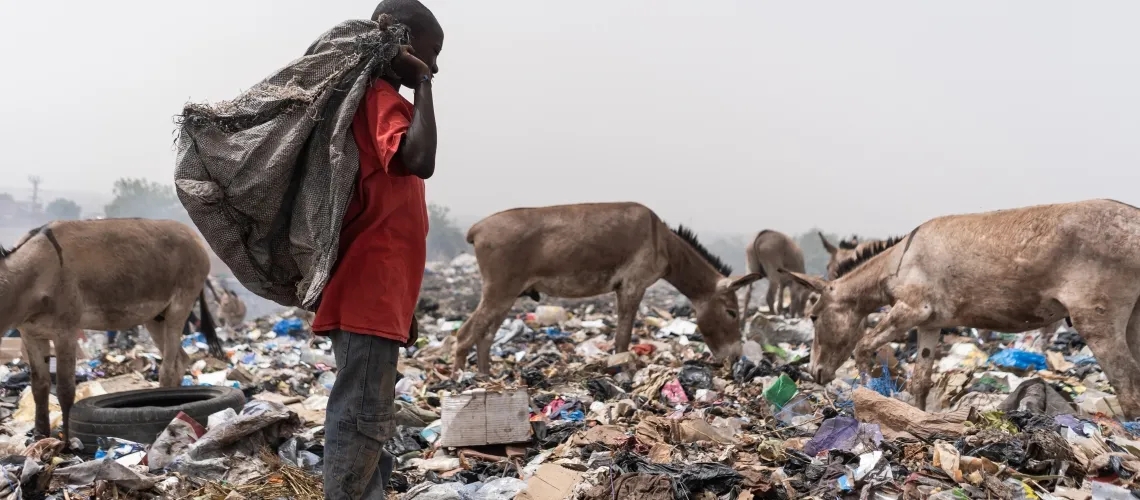 turtles choking on plastic debris, zooming out to show beaches and communities laden with trash, and panning to medical reports showing microplastic in the average person’s bloodstream. This is a story that started as an environmental crisis, and quickly became an economic and health crisis. And it’s a story that intersects with the triple planetary crises we are grappling with today: biodiversity, climate, and pollution. We are on the brink of writing the next important chapter in this story.
Transition to clean energy for all – Step by Step
The upcoming Summit for a New Global Financing Pact will bring together global leaders to 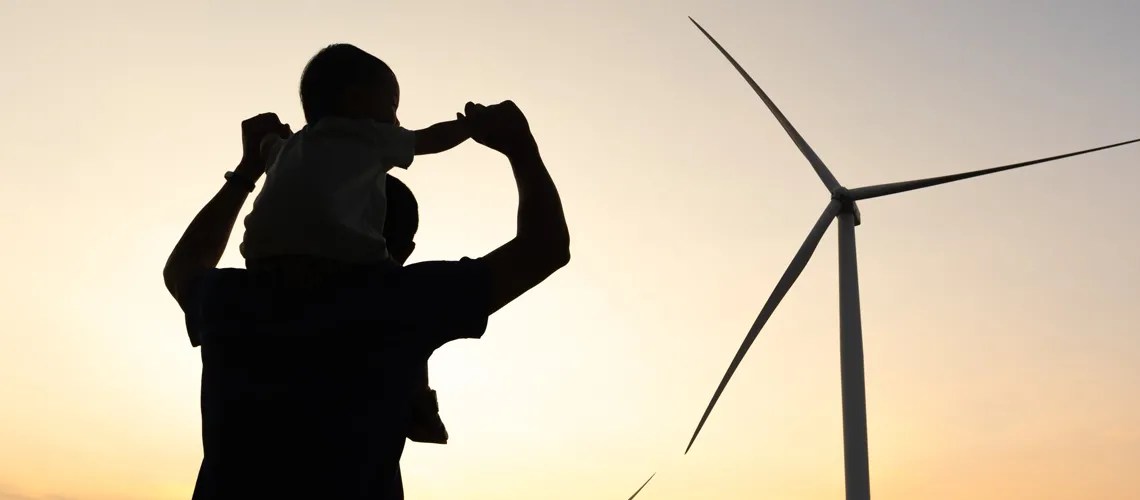 look at how international financing can bring solutions to countries facing mounting crises from climate change to poverty and pandemics. This is an opportune time to focus on how international finance can jumpstart the clean energy transition, especially for the countries most vulnerable to climate change.
Climate Change in Africa
How the private sector is rising to meet the challenges of a global crisis
Across Africa, the private sector is rising to the pressing challenges posed by the 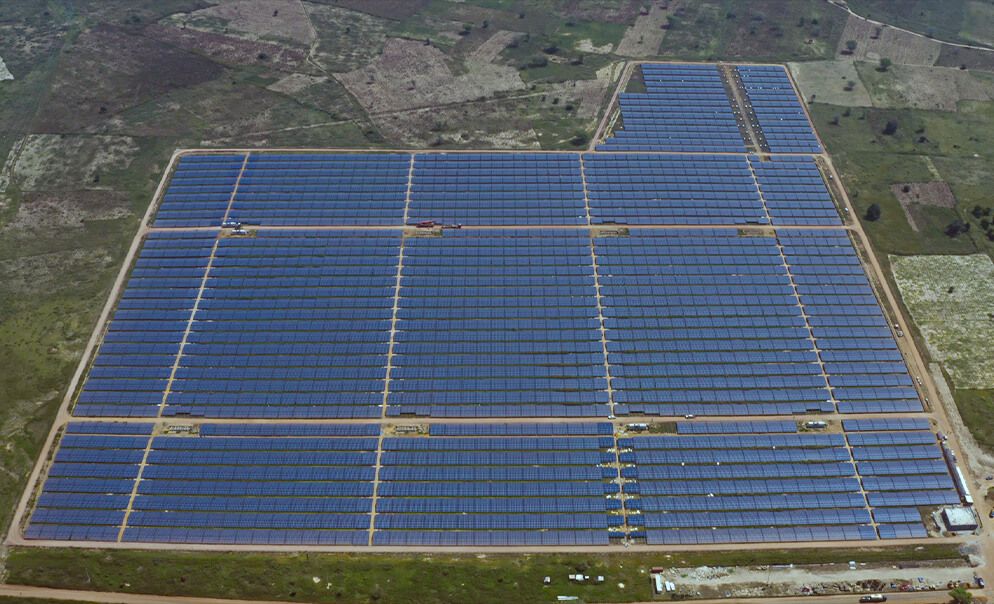 global climate crisis.
From housing and energy to transport and agriculture, businesses on the continent are delivering strategies, technologies, and projects that are reducing the human impact on the environment, while supporting jobs, reducing poverty, and furthering development.
Weakening Growth, Financial Risks
Global Economic Prospects
Global growth is projected to slow significantly amid high inflation, tight monetary policy, and  more restrictive credit conditions. The possibility of more widespread bank turmoil and tighter monetary policy could result in even weaker global growth and lead to financial dislocations in the most vulnerable emerging market and developing economies (EMDEs). Comprehensive policy action is needed to foster macroeconomic and financial stability. Among many EMDEs, and especially in low-income countries, bolstering fiscal sustainability will require generating higher revenues, making spending more efficient, and improving debt management practices. Continued international cooperation is also necessary to tackle climate change, support populations affected by crises and hunger, and provide debt relief where needed.
The Birth of a Start-Up Support System
By Olivier Monnier and Abdoul Maiga
Tired of seeing plastic waste littering the streets of Ouagadougou, the capital of Burkina Faso, engineer Calvin Tiam took matters into his own hands.
With the help of Burkinabé and French research institutes, Tiam developed a technique for making furniture, roofing, and beacons from recycled polyethylene plastic packaging.
Investments in Africa
These are certainly challenging times. And in these challenging times, in Africa, the private  sector is doing interesting things.
The nine stories in this second edition of IFC Insights Africa, published for the 2023 Africa CEO Forum in Abidjan, Côte d’Ivoire, showcase the innovative ways African businesses—both large and small—are addressing some of the continent’s most pressing challenges, and improving lives and creating jobs while doing it.
Investing in Human Capital for a Greener Future
Ministers of Finance and global thought leaders came together to champion investments in people to build resilience, help mitigate greenhouse gas emissions, and accelerate the green transition.
The Parallel Exchange Rate Problem: The World Bank’s Approach to Helping People in Developing Countries
The deterioration of economic conditions over the past few years and the growing depreciation pressures facing developing countries have led to a rise in the number of countries with active parallel currency markets. Currently, around 24 emerging and developing economies (EMDEs) have active parallel currency markets. In at least 14 of them, the exchange rate premium—the difference between the official and the parallel rate—is a material problem, exceeding 10 percent (see the table).
 Netherlands for the World Bank
You must be logged in to post a comment.