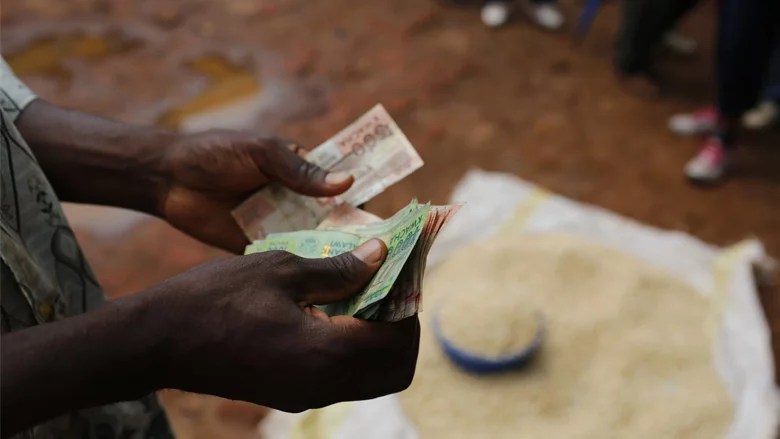
Commodity prices are projected to experience a slight downturn in 2024 and 2025 but are expected to remain above pre-pandemic levels. Energy prices are expected to decline by 3 percent in 2024, as notably lower prices of natural gas and coal offset higher oil prices, followed by a further decline of 4 percent in 2025. Agricultural prices are expected to ease as well in this year and next amid improved supply conditions. Metal prices are set to remain steady in 2024, before rising slightly in 2025. Although the price forecasts assume no further conflict escalation, risks remain tilted to the upside, stemming from the possibility of conflict in the Middle East and its consequent impact on energy supplies.
Continue readingTag Archives: End Poverty
Banking on Women Who Trade Across Borders
“Banking on Women Who Trade Across Borders” underscores the critical need for gender
equality in international trade and trade finance. Despite the documented positive impacts of women-owned businesses on economic growth and poverty reduction, a significant gap remains in understanding how international trade intersects with female participation, particularly in accessing trade finance. Drawing from interviews across Africa and Latin America, the report explores the challenges faced by female entrepreneurs and proposes solutions.
Despite High Potential, 75 Vulnerable Economies Face ‘Historic Reversal’
In Half of IDA Countries, Income Gap with Wealthiest Economies is Widening
Continue readingIngredients for Accelerating Universal Electricity Access: Lessons from Rwanda’s Inspirational Approach
In just 15 years, Rwanda has increased its electricity access to 75% from 6% in 2009. This took government ownership, leadership, and commitment, partnership with the private sector, funding from development partners, and dedicated structure and institutional strengthening.
The goal of lighting up every household is not a dream, but an achievable reality. In a remarkable 15-year journey, Rwanda increased access to electricity to households from 6% in 2009 to 75% as of March 2024. The country has connected 100% of health centers and administrative facilities at the sector level and 84% of schools and most productive users (micro, small, and medium-sized enterprises). This electrification expansion was one of the fastest in the world between 2010 and 2020, ranking 11th globally and 3rd in Africa.
Government ownership, leadership, and commitment to universal electrification. Since 2008, the Government of Rwanda (GoR) has been intentional in engraining electrification targets in its development strategies. The Economic Development and Poverty Reduction Strategy 1 (EDPRS1 2008-2012) set out targets for electricity connections from 70,000 to 200,000 households, and for institutions providing social and administrative services from 50% to 80%. Likewise, both the EDPRS2 (2013-2018), and the National Strategy for Transformation 1 (2017-2024) set a universal electrification target by 2024.
Continue readingRecipe for a Livable Planet: Achieving Net Zero Emissions in the Agrifood System
Download the report here 
Recipe for a Livable Planet is the first comprehensive global roadmap for mitigating the agrifood system’s contributions to climate change. It shows how the agriculture system that produces the world’s food can cut greenhouse gas emissions while continuing to feed the world.
New Guarantee Platform Delivers Efficiency, Simplicity to Boost Impact
STORY HIGHLIGHTS
- Beginning July 1, the World Bank Group’s one-stop guarantee platform will bring together all of its guarantee products and experts.
- The platform will help provide transparency and certainty for the World Bank Group’s clients across the guarantee process, with a better client experience.
- Streamlining these offerings will help maximize the limited capital available for impactful development in emerging markets and developing economies.
World Bank Land Conference: Land Rights and Access for Climate Action
The Great Reversal: Prospects, Risks, and Policies in International Development Association Countries
The 75 economies eligible for low-interest loans and grants from the World Bank’s
International Development Association (IDA) had made notable progress against some important development objectives over the first two decades of this century. Despite this, on the eve of the COVID-19 pandemic, significant development gaps persisted, income convergence with advanced economies was slowing, and some vulnerabilities were rising.
Why Climate Change and Health Is a Hot Issue | World Bank Expert Answers
Innovative Co-Financing Platform Will Improve Development Impact
WASHINGTON, April 19, 2024—A coalition of ten MDBs today launched a new co-financing platform that will enable them to channel additional capital for development scale and impact.


You must be logged in to post a comment.