
Biodiversity conservation is vital for sustainable development, poverty alleviation,  and a livable planet. It sustains ecosystems that support human livelihoods, particularly in developing nations, by providing essential resources like food, clean water, and climate stability. Healthy ecosystems are crucial for agriculture, fishing, and forestry, which reduce poverty and foster sustainable economic growth. Additionally, biodiversity fuels industries such as ecotourism and pharmaceuticals, generating jobs and income. Maintaining biodiversity strengthens ecosystem resilience, stabilizes climate, and mitigates climate change impacts, making it key to environmental health and global sustainability.
Tag Archives: Climate
More than 400 Million Students Affected by Climate-Related School Closures since 2022
For less than $20 per student schools can adapt and minimize learning losses
WASHINGTON, Sept. 4, 2024 – A staggering 400 million students globally experienced school closures from extreme weather since 2022, according to a new World Bank report released today. The report examines the detrimental impacts of climate change on education in low- and middle-income countries and offers solutions to harness education to spur climate action. It also estimates that a one-time investment of $18.51 per child can mitigate the impact from climate shocks.
World Bank Group Launches High Level Council to Tackle Looming Jobs Crisis
Council to be co-chaired by the President of the Republic of Singapore Tharman Shanmugaratnam and former President of the Republic of Chile Michelle Bachelet
WASHINGTON, Aug. 12, 2024—The World Bank Group today announced the launch of the High-Level Advisory Council on Jobs, a new initiative that will identify actionable policies and programs to address the looming jobs crisis in the Global South.
Recipe for a Livable Planet: Achieving Net Zero Emissions in the Agrifood System
Download the report here 
Recipe for a Livable Planet is the first comprehensive global roadmap for mitigating the agrifood system’s contributions to climate change. It shows how the agriculture system that produces the world’s food can cut greenhouse gas emissions while continuing to feed the world.
World Bank Land Conference: Land Rights and Access for Climate Action
Why Climate Change and Health Is a Hot Issue | World Bank Expert Answers
AI and climate: Tackling challenges and embracing change with a people-centered approach
In May 2023, a World Bank team visited Secunda, a South African town defined by Sasol’s unique commercial coal-to-liquids facility, to participate in a workshop on just green transition in Mpumalanga’s coal-rich region. During the workshop, diverse voices from community leaders and global experts discussed the monumental challenges of a green transition, a conversation echoing far beyond the borders of this small town.
New Program to Protect Millions from Rising Climate-Related Deaths and Illness
At least 21 million could die from five main health risks caused by a warmer planet
DUBAI/WASHINGTON, Dec. 3, 2023 — The World Bank announced today at COP28 a new Climate and Health Program to urgently respond to the rising negative health impacts of climate change in low- and middle-income countries.
Through this program, the World Bank will help countries to assess their climate and health vulnerabilities, increase investments in climate-resilient health systems, and work with partners to mobilize additional financing, evidence, and collective action to reduce the impacts of climate change on people’s health and livelihoods.
New World Bank data shows that a warmer climate could lead to at least 21 million additional deaths by 2050 from just five health risks: extreme heat, stunting, diarrhea, malaria, and dengue. Preventing these deaths requires immediate action to reinforce health systems, particularly in climate-vulnerable countries, predominantly in sub-Saharan Africa and South Asia. The World Bank also estimates that by 2030 the impacts of climate change on health will force 44 million more people into extreme poverty.
“Climate change amplifies health risks, creating a cycle of ill health and poverty with far-reaching consequences for human capital development,” said Mamta Murthi, Vice President for Human Development at the World Bank. “Through the Climate and Health Program, the World Bank will use its knowledge and financing to help countries address health risks stemming from climate change, work across related sectors, and bring together partners to maximize financing and harmonize investments and actions.”
The Climate and Health Program will include generating evidence on the most cost-effective interventions to tackle the climate and health crisis; increasing financing for solutions that can build sustainable and resilient health systems in client countries; and build strong partnerships to amplify impact. Specifically, the program will:
- Create evidence and knowledge to identify country needs and inform investments. This includes systematically assessing climate-related health vulnerabilities in developing countries, focusing on the impacts on lives, livelihoods, and economies and identifying country-specific ‘best buys’ for climate and health.
- Invest in solutions that are country-tailored and evidence-based and scale-up investments for low-carbon resilient health systems through the Bank’s $34 billion health portfolio which is already active in over 100 countries. Investments will focus on better surveillance and early warning systems, improving health service delivery in the face of climate-driven disease patterns, climate-proofing health facilities, and strengthening health worker capacity.
- Work in partnership with the World Health Organization, Gavi, The Global Fund, foundations, and others to maximize impact by supporting global, regional, and country efforts to scale up climate-health action.
As part of this program, the World Bank is co-convening a Development Bank Working Group for Climate-Health Finance with participation from multilateral and public development banks to align and maximize climate and health investments. The World Bank also works in partnership with the World Health Organization, Gavi and the Global Fund, foundations, and others to scale up climate and health action.
The impact of the climate crisis on the health of current and future generations depends on the decisions we make today. The World Bank is committed to supporting countries to address the greatest health challenge of our time.
For more information, please visit our health and climate change brief and follow @WBG_Health
PRESS RELEASE NO: 2024/034/HD
Contacts
Alexandra Humme
Climate Policies for a Low-Carbon Future: Lessons from 25 Case Studies
India incorporates green bonds into its climate finance strategy
In 2023, India experienced the hottest February since 1901, the first year the country’s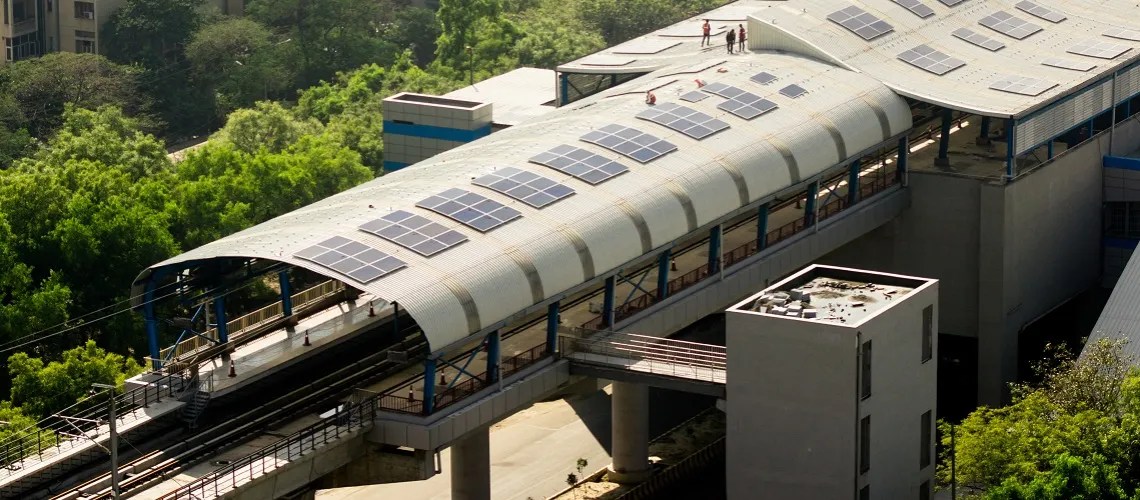 Meteorological Department started its weather records. Extreme weather events like this are becoming frequent and are expected to get worse due to climate change. India is among the countries most affected by the impacts of extreme weather events.
 Netherlands for the World Bank
You must be logged in to post a comment.