
Deadline: 24-Jun-2019 at 11:59:59 PM (Eastern Time – Washington D.C.)
The Investment Climate (IC) in Agribusiness project is a pillar of the IFC-World Bank  Action Plan to promote the agribusiness sector in Guinea. The World Bank Group recently assessed the main constraints and opportunities for the development of the agribusiness sector in Guinea.
The IC in Agribusiness project aims to improve the business climate for agribusiness through the implementation of targeted reforms aimed at unlocking investments high potential value chains and improving investments retention and generation. To implement these reforms, a dialogue mechanism to mobilize government and business community’s commitment is needed.
The IFC seeks to hire the services of a Consultant to support the identification and implementation of priority reforms for the agribusiness sector in Guinea. The Consultant will help drive the reforms on the Guinea agribusiness sector and will work closely with the designated teams within to implement these reforms.
 quantity and quality of livestock commodities produced in the county by the key value chain actors. More specifically, the LIFS project focuses on improved productivity across the red meat value chain from livestock production to slaughter, processing and access to markets.

 opportunity, flat yields and small farms. It’s true that Africa is still producing too little food and value-added products despite recent efforts to increase investment, and that agricultural productivity has been broadly stagnant since the 1980s as shown in the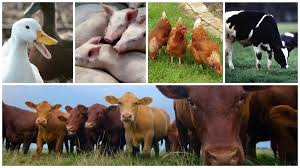
 today’s agri-food system. Whether it’s today’s soil moisture, tomorrow’s weather forecast, or the price of rice in Riyadh, every bit of data can improve the efficiency with which the world’s 570 million farmers put food into the mouths of its soon-to-be eight billion consumers. Digital technologies are facilitating the flow of data through the food system, shrinking information asymmetries and fashioning new markets along the way. How can we ensure these new markets are appropriately contested, and the treasure does not end up in the hands of a couple of gunslingers? Is there a public sector’s role in generating and disseminating data that on the one hand encourages innovation and competition and on the other reduces opportunities for market capture? One place to look may be at the crossroads of internet and public goods.
 been in the market for weather forecasts that help them decide when to plant and harvest to mitigate climate risks. Earlier this month, the 48th session of the Intergovernmental Panel on Climate Change delivered sobering news: the


You must be logged in to post a comment.