Deadline: 31-Jul-2019 at 11:59:59 PM (Eastern Time – Washington D.C.) 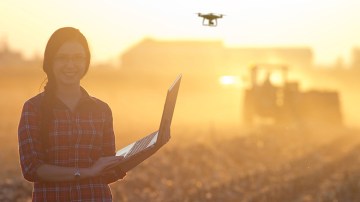
The overall goal of this project is to establish new method on monitoring independent palm oil smallholder. The selected vendor is expected to recommend a method for smallholder monitoring using drone image advice and data service for smallholders, including develop an effective data distribution to smallholder farmers, cost per farmers, and payment collection system from smallholder farmers.
Specifically, the project will conduct aerial mapping of a minimum 15,000 hectares of smallholder farmland (each with approximately one to three hectares of land) and distribute image data to a minimum 1000 of independent smallholder farmers.
This will include:
– aerial mapping of a minimum 15,000 hectares of smallholder farmland,
– image analysis and interpretation of the image captured by the aerial mapping
– Provide report and recommendation for scale up the use of drone for smallholder monitoring, cost per farmer, effective data distribution and payment collection system from smallholders.
Continue reading →

 includes contributions from external bloggers and reflects their views. Follow the conversation on Twitter #healthforall.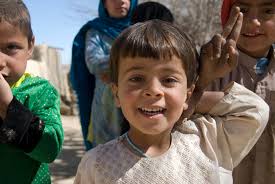
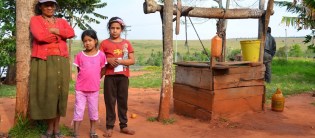 intentioned solutions based on an “outdated” understanding of the country or sectoral context.
 the future of work. Will robots replace humans in the work place? Will digital technologies create a new “digital divide” and widen inequalities between the higher-educated connected and lower-educated unconnected people? Will new opportunities open up for African countries to create jobs, improve incomes, reduce poverty and climb up the development ladder?
 till Sluggish Global Growth
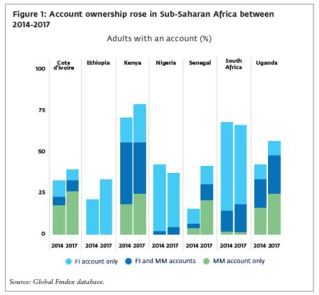 Finance Corporation and Mastercard Foundation Partnership for Financial Inclusion outlining Sub-Saharan Africa’s successes and challenges in building digital financial inclusion. The notes—all of which are available for download at

You must be logged in to post a comment.