Special Edition: Open Call for Cooling Innovators

You can hear first-hand from innovators who’ve already taken part in our program, and you can sign up for webinars to learn more about our three regional initiatives and the application process. We share the latest example of how we help participants raise their global profiles. Plus, we look at the impact of the program, implemented in partnership with the UK government’s Department for Energy Security & Net Zero, in accelerating the adoption of affordable, energy-efficient, and climate-smart cooling solutions where they are needed most.

Please don’t forget, applications for our sustainable cooling open call close on March 19. You can contact us with any questions via techemerge@ifc.org.


Got Questions? We’ve Got Answers!

TechEmerge will hold a series of webinars where you can meet program leads, find out more about our new programs in Africa, India, and Latin America’s Andean Region, and discuss the finer details of the application process. Our webinars are offered at two different times, so please choose the one that works best for you and register to join us online.

  • 1st Session:  Tuesday, March 7 – 3:00 am EST (8:00 am GMT)
  • 2nd Session: Tuesday, March 7 – 9:00 am EST (2:00 pm GMT)

Click here to register

Rebuilding and Reconstructing a Prosperous Ukraine Will Take a Concerted Effort by the International Community and the Private Sector

It is hard to imagine that a year has passed since Russia invaded Ukraine causingbuildingflowers1140x500.jpg widespread devastation and suffering in the country and rattling the world economy.  As a result of the invasion, 8 million more Ukrainians now live in poverty, undoing 15 years of progress.  With rising numbers of housing units severely damaged, hospitals and schools destroyed, thousands of Ukrainians are spending these tough winter months amid frequent electricity and heating disruptions. I saw this first hand when I visited Ukraine back in November.

Continue reading

Despite the War, Ukraine Continues Providing Necessary Health Services to Patients

Nina, a middle-aged woman from Chernihiv, Ukraine, was experiencing shortness of breathua-health-services-2023-kf-780 and could barely walk.

“I would walk two meters and didn’t have the strength anymore. Now, it’s easier to breathe,” says Nina.

Nina’s heart problems were appropriately diagnosed, and she received care at the Chernihiv Oblast Hospital in the fall of 2022.

Continue reading

In wildlife conservation, gender equality brings win-win returns

Environmental degradation, illegal wildlife trade, and human-wildlife conflict underminebiologists_panama_blog.jpg development and pose significant risks to health, climate change adaptation, peace and security. They weaken natural resource management and result in economic losses for communities that rely on wildlife and ecosystems. There are multiple approaches to mitigate these threats, but they are often gender blind when they should be gender equal. Illegal wildlife trade exists in the same gendered social spheres as everyday life. Evidence suggests that most poachers are men: in most studies, men comprise more than 90% of people subjected to illegal wildlife trade-related enforcement actions. This raises the question of why.  Are male poachers simply meeting livelihood needs, or are they also enacting masculinized expectations? 

Continue reading

COVID-19’s Impact on Young People Risks a Lost Generation

Pandemic Damaged Cognitive Development and Lifetime Earnings of Children and Youth, Jeopardizing the Well-being of Generations and Growth of Economies

WASHINGTON, Feb. 16, 2023 – The COVID-19 pandemic caused a massive collapse in human capital at critical moments in the life cycle, derailing development for millions of children and young people in low- and middle-income countries, according to the first analysis of global data on young people who were under the age of 25 at the onset of the pandemic.

Continue reading

The Pandemic Fund Announces First Round of Funding to Help Countries Build Resilience to Future Pandemics

Application Process Kicks Off

Washington, Feb. 3, 2023 — The Pandemic Fund Governing Board approved $300 million in financing for its first round of funding to help developing countries better prepare for and respond to future pandemics. The Fund is also inviting interested eligible countries and Implementing Entities to submit Expressions of Interest (EOI) for potential projects to be supported by this initial funding.

Continue reading

Greening Trade for Development

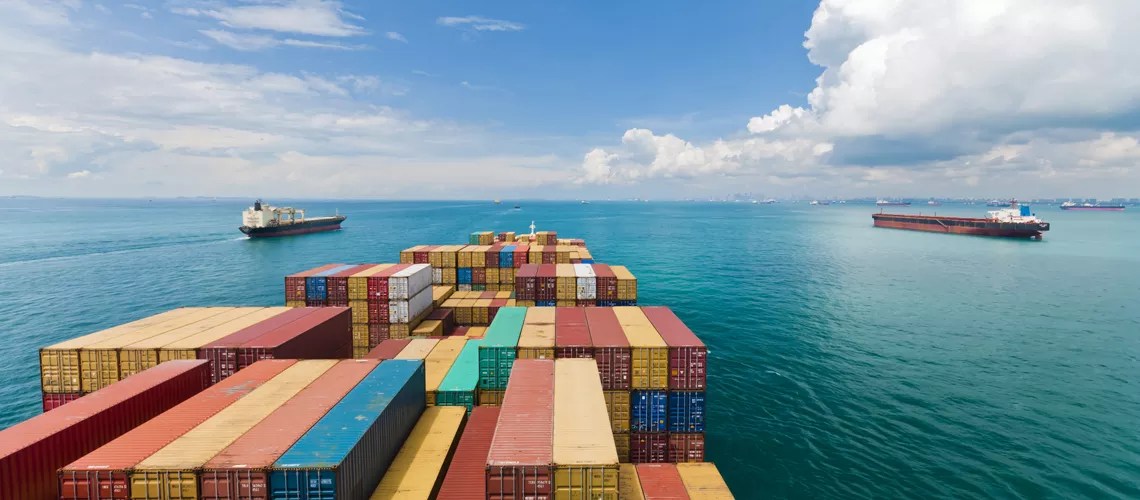
It’s easy to see how international trade contributes to climate change. The ships, trucks, andtrade_hero.jpg planes that move goods around the world contribute to greenhouse gas emissions. And the production of goods that are traded internationally – from foods like wheat and corn to goods like steel and cement – are also sources of emissions. All told, a quarter of greenhouse gas emissions have been linked to global trade flows. 

Continue reading

Did you say, “Women and Girls in Science”? Meet Sally, who proves that women can succeed in STEM

STORY HIGHLIGHTSwomen-girls-in-science-v3-780x439

  • Promoting women in science is a key focus of the African Higher Education Centers of Excellence (ACE) program, launched in 2014 to support higher skills development in the areas of science, technology, engineering, and mathematics.
  • These fields tend to be male dominated, especially in Africa. Across the continent, the ACE program –supported by the World Bank – is more and more attracting female students for whom “science has no gender”.
  • Mbassally “Sally” Manneh is one of those “Girls in Science” who has successfully achieved her dream to become an architect. Her story is impressive and interesting.

Continue reading

INTEGRATED SOLID WASTE MANAGEMENT

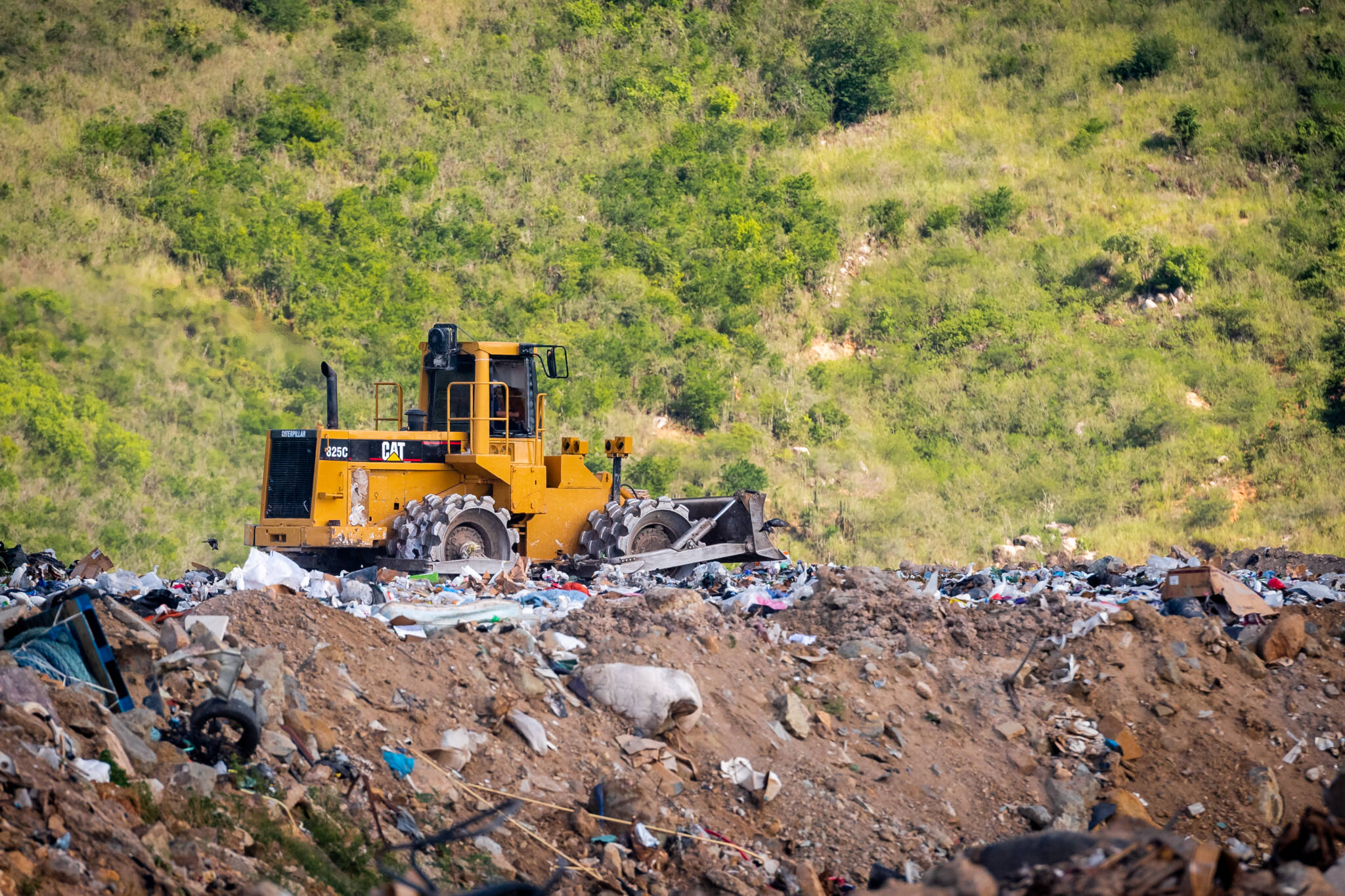
The Government of Sint Maarten wants to transform Sint Maarten’s existing methods ofCleaner-Environment-Heavy-Equipment-improving-landfil-1-2048x1365 disposing solid waste at the two landfills on Pond Island into an integrated system of solid waste management.

Currently, most of the solid waste collected in neighborhoods ends up in these landfills, which were not designed to handle the types and volume of waste disposed of there. The main landfill has grown considerably in the last two decades. Likewise, the adjacent landfill – known as the ‘Irma Dump’ – is also quickly accumulating larger waste materials, such as discarded furniture and waste from construction sites.

Continue reading