
KYIV, February 15, 2024—After almost two years of Russia’s full-scale invasion of Ukraine, an updated joint Rapid Damage and Needs Assessment (RDNA3) released today by the Government of Ukraine, the World Bank Group, the European Commission, and the United Nations currently estimates that as of 31 December 2023 the total cost of reconstruction and recovery in Ukraine is $486 billion over the next decade, up from $411 billion estimated one year ago.
Continue readingCategory Archives: WBG News & Reports
We need to change the way we support refugees – now !
This page is also available in French, Spanish, and Swahili (PDF) 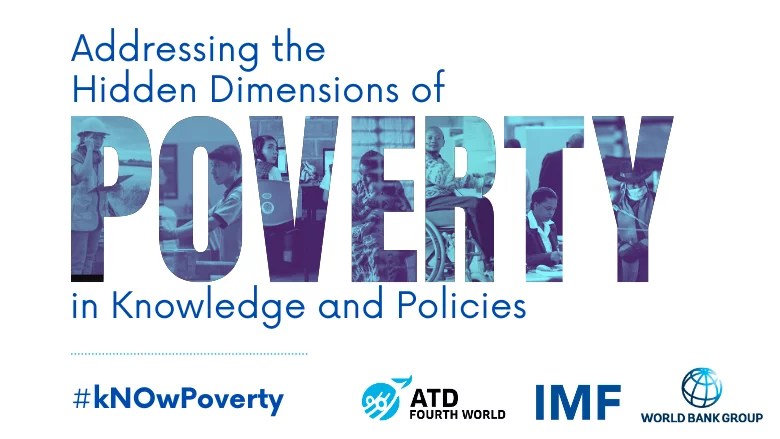
Video recordings of the two Plenaries and the Concluding Roundtable will be available soon.
Progress in poverty reduction has been measured primarily in terms of consumption or income. However, other aspects of life are also critical for wellbeing, and a number of initiatives have been underway to develop multidimensional measures of poverty. This conference brought together academics, practitioners, and people who have direct experience of poverty as co-researchers to better understand the key dimensions of poverty and their relationships. It also looked into the Inclusive and Deliberative Elaboration and Evaluation of Policies (IDEEP) tool that has been developed to better design, implement and assess policies, trainings or projects, that aim to address poverty with the active participation and inclusion of people who are experiencing poverty.
A silent debt crisis is engulfing developing economies with weak credit ratings

Some developing economies are finally seeing light at the end of the tunnel. Global inflation is receding and global interest rates appear to have peaked, prompting a bond-issuance rush by these economies to refinance their debt before the opportunity vanishes. In early January, Mexico, Indonesia, and several other developing economies easily raised more than $50 billion from bond investors.
Continue readingWorld Bank’s 10-Year EUR Sustainable Development Bond Attracts Strong Demand from Diverse Investors
WASHINGTON, D.C., February 6, 2024 – The World Bank (International Bank for Reconstruction and Development, IBRD, Aaa/AAA) today priced a 10-year euro-denominated benchmark bond maturing in February 2034, raising EUR 3 billion.
The transaction attracted over 100 orders totaling EUR 4.7 billion, appealing to European and global investors seeking high credit quality and an investment that supports sustainable development at the longer end of the EUR curve.
FRAGILITY FORUM 2024 – February 27-29
Adapting and Innovating in a Volatile World

Event | Fragility Forum 2024: Adapting and Innovating in a Volatile World | World Bank Live
Trading in a new climate: How mitigation policies are reshaping global trade dynamics
Faced with the urgency of climate change, many countries are embracing policies to tackle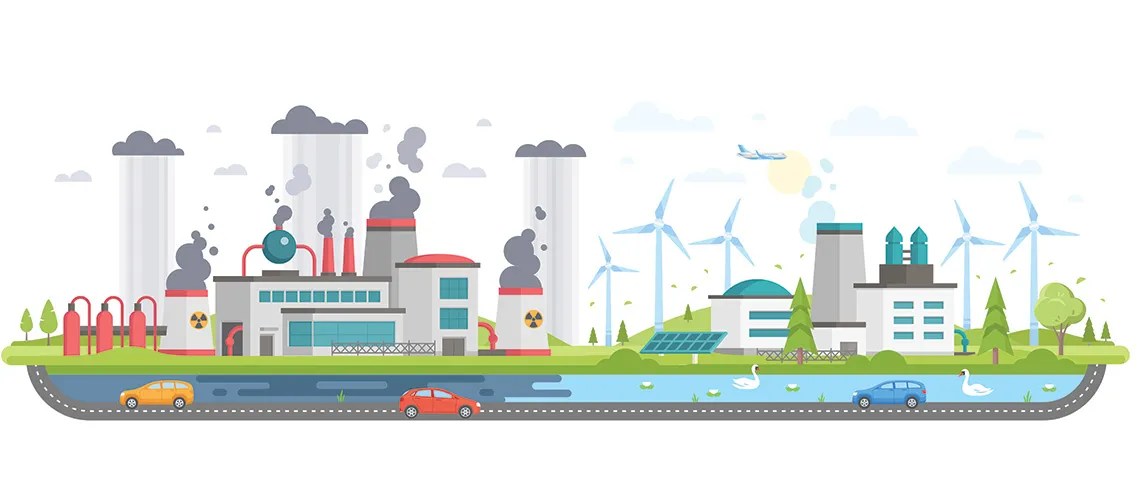 it. However, these policies are not only reshaping the landscape of global trade flows but also risking further fragmentation and inequality. One challenge concerns the consequences for low-income countries that rely on export-led growth and especially their Small and Medium-sized Enterprises (SMEs) part of global supply chains.
Continue reading
Global Economy Set for Weakest Half-Decade Performance in 30 Years
Reforms to boost investment and strengthen fiscal policy could help turn the tide
WASHINGTON, Jan. 9, 2024— As the world nears the midpoint of what was intended to be a transformative decade for development, the global economy is set to rack up a sorry record by the end of 2024 —the slowest half-decade of GDP growth in 30 years, according to the World Bank’s latest Global Economic Prospects report.
On the frontline of the climate crisis: Atoll nations and coastal communities with catastrophic threats to their homes and livelihoods also face serious legal implications
The Republic of the Marshall Islands is one of the world’s atoll nations particularly vulnerable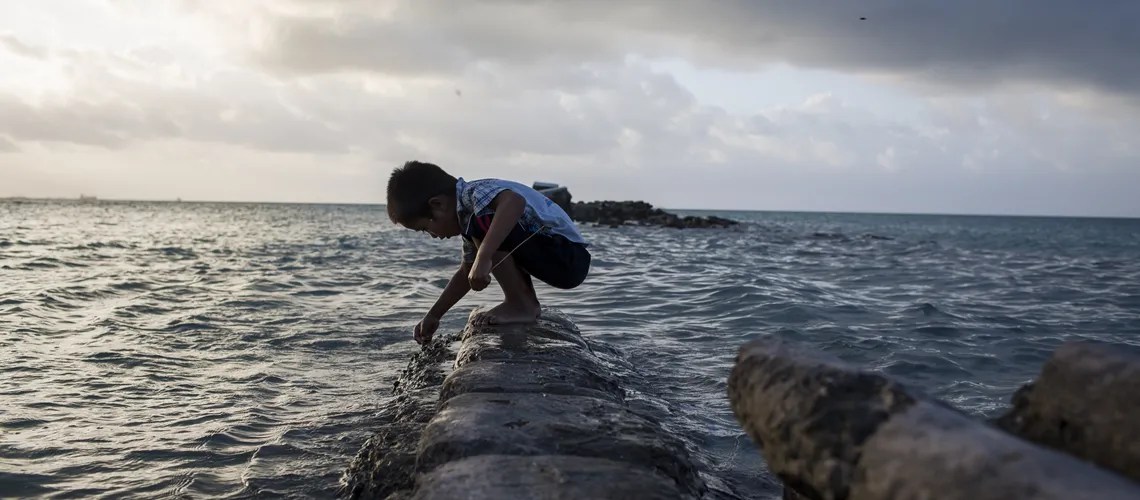 to sea level rise, alongside Kiribati, Tuvalu, and The Maldives. While atoll islands are on the frontline, sea level rise impacts, such as increases in storm severity, decline in coastal ecosystem services and fishery resources, groundwater salinization, and heat waves, are a major threat to the survival of all low-lying coastal areas and cities, including Small Island Developing States (SIDS).
Unlocking new crisis response tools to build a more resilient future
The world is facing a perfect storm of intertwined challenges—from the intensifying climate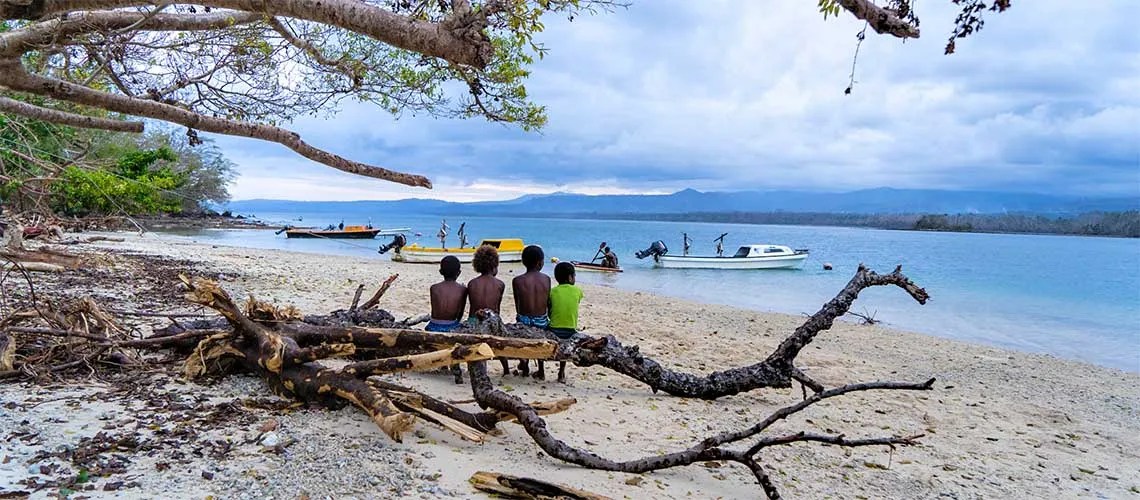 impacts and growing pandemic risks to deepening conflicts and the slowest half-decade of gross domestic product growth in 30 years. These overlapping crises are not only a “new normal” for countries, but also pose an unprecedented threat to poverty reduction and economic development, making it harder for families to put food on the table, send their children to school, and cope with worsening natural disasters. The past three years have made one thing clear: we can no longer afford to treat crises as surprises. Developing countries need more and better tools to manage the multiplying challenges they face. .
World Bank Group Expands Its Crisis Toolkit to Empower Countries Amid Intertwined Crises
February 1, 2024 —The World Bank today approved a suite of groundbreaking tools to help developing countries better respond to crises and strengthen preparedness for future shocks. These new tools will further expand the Crisis Preparedness and Response Toolkit unveiled recently, empowering nations in a world where crises have become the “new normal,” driving impactful development, and ultimately contributing to creating a world free of poverty on a livable planet.
The expanded Crisis Toolkit fills gaps based on lessons learned from previous crisis response and substantially expands tools available to countries to ensure comprehensive protection in times of crisis. The newest tools will offer countries:
Continue reading Netherlands for the World Bank
You must be logged in to post a comment.