
It’s now 2017 and I’m in Washington DC at the latest leg of my journey. Just a few days ago the World Bank’s Water Global Practice launched a toolkit and background report that explores why, when and how water utilities can work together to provide better services. This is the culmination of a years-long team effort and, for me, a particular satisfaction to have even more evidence to inform our policy advice on the matter. As often, the conclusions are more nuanced than my (and many of my colleagues’) Cartesian mind would like. The success of an aggregation depends very much on your starting point and what you are trying to achieve, and so you really need to think about those two points as you design your reform process…. But I don’t want to give all the insights away – check out the toolkit, discover the case studies, listen to the interviews and read the report if you want to know more!


 Imagine that you are an advisor to your country’s Minister of Education. A recent earthquake damaged hundreds of schools in several cities. The minister has called for a meeting with you and asked:
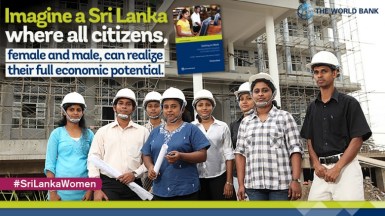 Pushpa drops her youngest son off at the day care centre at St. Theresa’s Church in Thimbirigasaya every day. The 37-year-old then heads to work as a maid. There are days when this routine becomes impossible. If her child is feverish, for instance, the day care won’t accept him because he may infect the other children.
 STORY HIGHLIGHTS
 Netherlands for the World Bank
You must be logged in to post a comment.