
What does it mean to reach “net zero?” A recent report by the Carbon Pricing Leadership  Coalition (CPLC) explores how the world can decarbonize, and in particular, how carbon pricing can play a role. To learn more about net zero, the report and its findings, we sat down with Chandra Shekhar Sinha, a member of the Task Force on Net Zero Goals and Carbon Pricing and Advisor to the Bank’s Climate Change Group, and Angela Churie Kallhauge, former Head of the Carbon Pricing Leadership Coalition (CPLC) Secretariat.
Tag Archives: World Bank
Why Is the World Facing a Food Crisis? | The Development Podcast
The world is facing rising food prices that are hitting poor and developing countries hardest. Even before COVID-19 reduced incomes and disrupted supply chains, chronic and acute hunger were on the rise due to factors, including conflict, socio-economic conditions, natural hazards, climate change and pests.
The disruption caused by the war in Ukraine has added to price pressures, with costs likely to remain high for the foreseeable future and expected to push millions of additional people into acute food insecurity.
In this episode of The Development Podcast, World Bank Food and Agriculture Global Practice Manager Julian Lampietti explains the challenges and discusses some of the solutions. And we hear from a pizza restaurant owner in Cairo who is struggling with the rising cost of bread.
brought by the World Bank Group
.
Annual Bank Conference on Development Economics 2022: Recovery, Reform, and Business Environment
CONFERENCE DETAILS
- DATE: June 21–24, 2022
- CONTACT: ABCDE 2022
- abcde@worldbank.org
The Annual Bank Conference on Development Economics (ABCDE), organized by the World Bank’s Development Economics (DEC) Vice Presidency, is one of the world’s best-known conferences for the presentation and discussion of new knowledge on social and economic development. The conference aims to promote the exchange of cutting-edge knowledge among researchers, policymakers, and development practitioners.
The theme of ABCDE 2022 is “Recovery, Reform, and Business Environment“, with a key focus on how enterprises are recovering from the pandemic crisis, how the business environment was affected by the pandemic, and reform prospects for the future. It will be held completely online, using a Zoom platform. It will take place over 4 days, June 21–24, from 9:00 am–12:00 pm (EST).
.
A Conversation with David Malpass and Samantha Power
June 21st, 11:30 AM EDT (local time) –> LINK
Join World Bank Group President David Malpass, and USAID Administrator Samantha Power at 11.30am, June 21st for a conversation about the impact of the current overlapping global crises on the poorest and most vulnerable.
How should the international community respond to challenges including the war in Ukraine, rising food insecurity and higher inflation?
The Way Forward is an occasional series of in-depth discussions on development challenges and innovative solutions, hosted by World Bank Group President, David Malpass.
Speakers


Building disaster resilience among the vulnerable
Natural disasters cause billions of dollars in losses each year, but the damage estimates don’t tell the full story of their impact. With climate change bringing more frequent and severe natural hazards, ensuring a resilient recovery for all requires a better understanding of the impacts that policies can have – and particularly on the most vulnerable people. Experience shows that a wide range of relatively low-cost and effective measures can save lives and protect hard-earned development gains in the wake of disasters.
Behind the Mission: Young Professionals Program (WBG YPP)
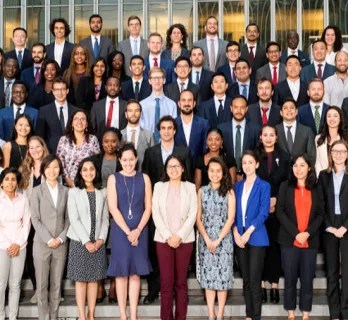
The Young Professionals Program (YPP) is a starting point for an exciting career at the World Bank Group for those who demonstrate a passion for international development and the potential to grow into impactful leadership roles across our institutions. Young professionals are recruited from around the world with various academic and professional backgrounds relevant to the World Bank, IFC and MIGA.
June 15, 2022
11:00 AM EDT (local time)
Stagflation Risk Rises Amid Sharp Slowdown in Growth
War in Ukraine leading to higher inflation, tighter financial conditions
WASHINGTON, June 07, 2022—Compounding the damage from the COVID-19 pandemic, the Russian invasion of Ukraine has magnified the slowdown in the global economy, which is entering what could become a protracted period of feeble growth and elevated inflation, according to the World Bank’s latest Global Economic Prospects report. This raises the risk of stagflation, with potentially harmful consequences for middle- and low-income economies alike.
Tackling the jobs challenges of coal transition
COP26 helped focus global attention on the challenge of transitioning out of coal. In recent months, however, the war in Ukraine has led to a rise in coal use, as a short-term replacement of Russian oil and gas. But in the medium term, both advanced and developing economies will need to accelerate the coal transition to meet Paris Agreement targets. Decisive actions and financial resources are essential, but success will ultimately depend on effective policies to deal with the resulting disruption to jobs, reflected in the call for a “just transition.”
COVID vaccines: Why we must succeed in every country
The COVID-19 pandemic is far from over, and vaccines remain our most important tool for 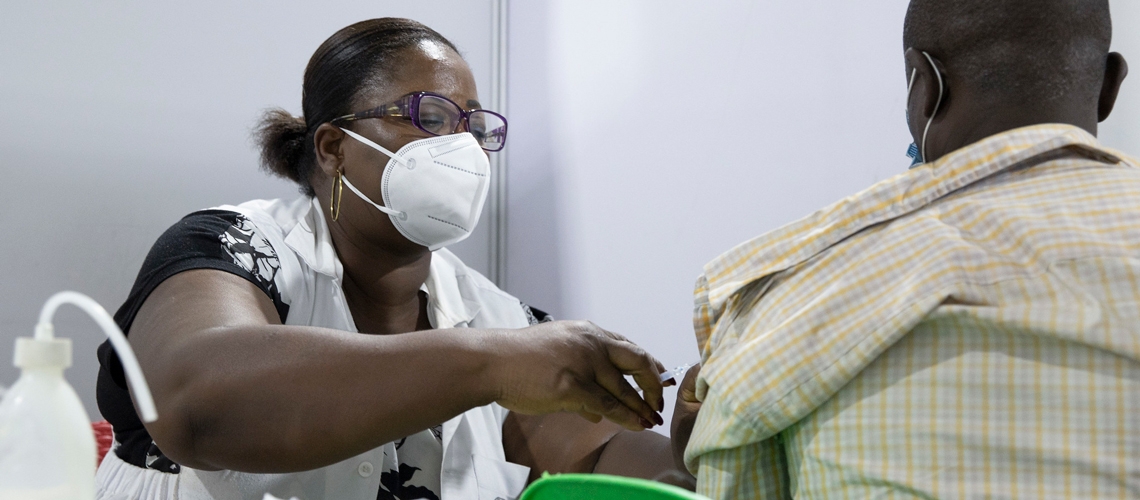 helping every country overcome it and get on the path to recovery.
Since February, much of the world’s attention has shifted to Russia’s invasion of Ukraine and the risks it poses to global supplies of food and energy. And the war is coming on top of many other crises – climate change, conflict in many other places, record numbers of refugees, and a rise in poverty for the first time in decades. But even among these daunting global challenges,
Commodity Markets: Evolution, Challenges, and Policies
The past two years of the global pandemic profoundly impacted our societies and economies.  The COVID crisis heightened the need for multilateralism to tackle global challenges.
Even as the worst of the pandemic starts to recede, the war in Ukraine threatens to impact global development outcomes. At the same time, climate impacts continue to mount. to avoid fundamentally altering our planet’s climate and its irreversible impacts on development. We must take bold and swift action and we must do so now to ensure that we can realize green, resilient and inclusive development.
 Netherlands for the World Bank
You must be logged in to post a comment.