
World Bank Live is the World Bank’s digital platform for live-streaming and engaging with global audiences in open and two-way conversations about international development.
Since 2013, World Bank Live has hosted over 700 public events in four languages: English, Spanish, French, and Arabic.
Panel discussions and high-level events are live-streamed during the Spring and Annual Meetings and throughout the year. International audiences can attend report launches, roundtables, speeches from senior management and global leaders, and join global conversations on key development topics such as climate change, economic recovery, debt management, digital transformation, sustainable development, and much more.
Each event is covered live by international development experts from the World Bank and partner organizations, taking questions from the audience in real-time and sharing research findings and learning resources.
 industrialization. As the manufacturing sector adds new capabilities to produce more products, participates in value chains, and adds process technologies, this results in more resources and materials being used. Circular economy models are necessary to replace the make, use and dispose linear production model.
 to another to escape rising seas or expanding deserts. And to some extent, you’d be right. But the fact is,
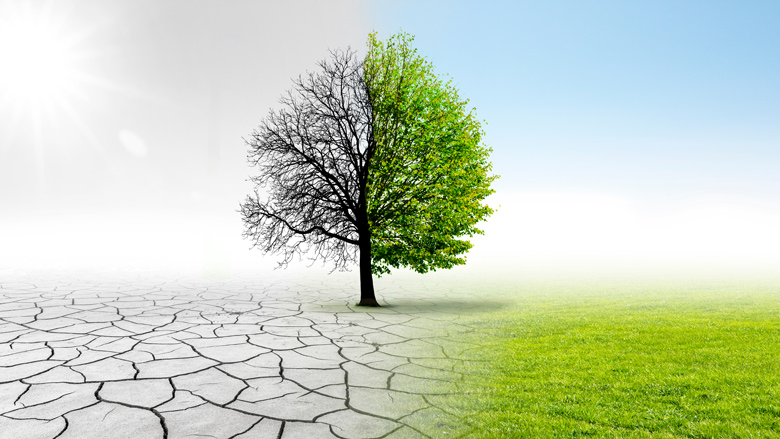 climate change will require major social, economic and technological changes, many of which are costly and will require large investments. Did you know….
  many of which are costly and will require large investments.
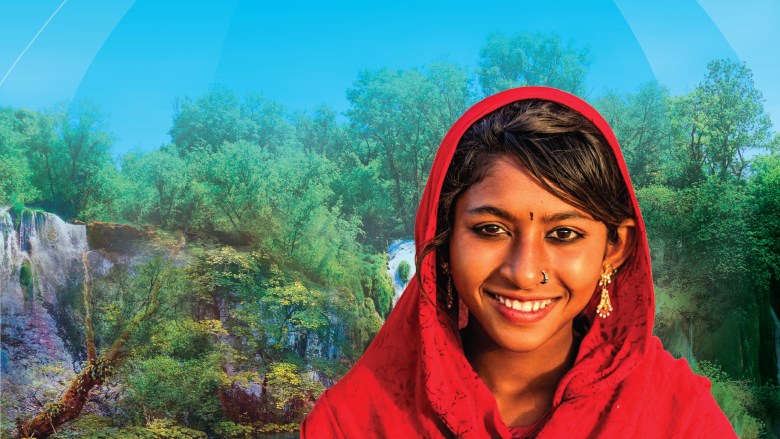 the world’s wealth accounts spanning 146 countries, annually from 1995 to 2018. It contains the widest set of assets covered so far, including human capital broken down by gender, as well as many different forms of natural capital, spanning minerals, fossil fuels, forests, mangroves, marine fisheries and more.
 Netherlands for the World Bank
You must be logged in to post a comment.