
Deadline: 25-Apr-2022 at 11:59:59 PM (Eastern Time – Washington D.C.)
The main objective of this assignment is to develop a national and transboundary water resilient strategy for Botswana. This study will quantitatively assess the climate change risks of water resources management and development alternatives vis-à-vis other identified risks unrelated to such change. The study will include a roadmap for a phased adaptation leading to increased multi-dimensional resilience of the Botswana water resources system using Decision-Making Under Uncertainty Methodologies (DMDU). The assessment will evaluate tradeoffs across in-country water management and services investments as well as the three transboundary options (Chobe-Zambezi transfer, Lesotho-Botswana transfer, and desalination from Namibia). See detailed file with request for expression of interest.
 Malpass will discuss how conflict, COVID-19, and climate change have created unprecedented challenges for developing countries, hurting the poorest and most vulnerable people and communities. He will outline how, moving forward, crisis recovery and longer-term development requires economic transformation, investment in human capital, and security and stability underpinned by support from the international community.
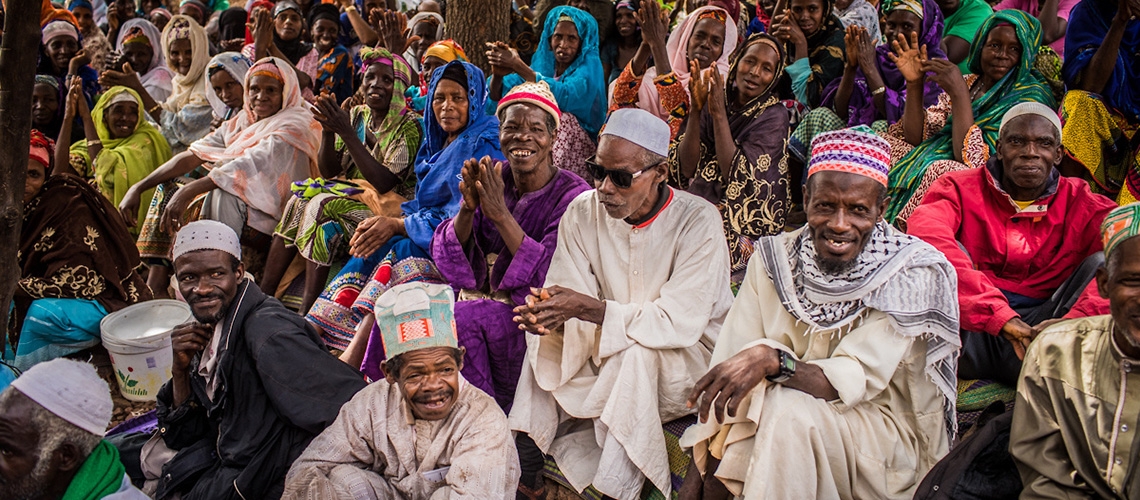 manage risks, and improve resilience and opportunity. Yet, most countries have limited resources for social protection interventions.

 below.
 far beyond its borders, battering a world emerging from a pandemic that has hit developing countries hardest.


You must be logged in to post a comment.