
Recognizing that governments across the globe find themselves at an important inflection point—with overlapping crises such as the COVID-19 pandemic, the war in Ukraine and other conflicts, sharp economic slowdown, and the effects of climate change that will touch us all—the World Bank recently launched a report on The Future of Government.
Tag Archives: World Bank Group
What Does Stagflation Mean for the Global Economy? | The Development Podcast
FEATURING: Franziska Ohnsorge, Manager of the Prospects Group, World Bank; Marcello Estevão, Global Director of the World Bank Group’s Macroeconomics, Trade and Investment Global Practice; and Enrique Cárdenas, Mexican economist and economic historian.
Podcast
How to manage the world’s fertilizers to avoid a prolonged food crisis
Hidden behind the worst global food crisis in a decade, fertilizer prices have skyrocketed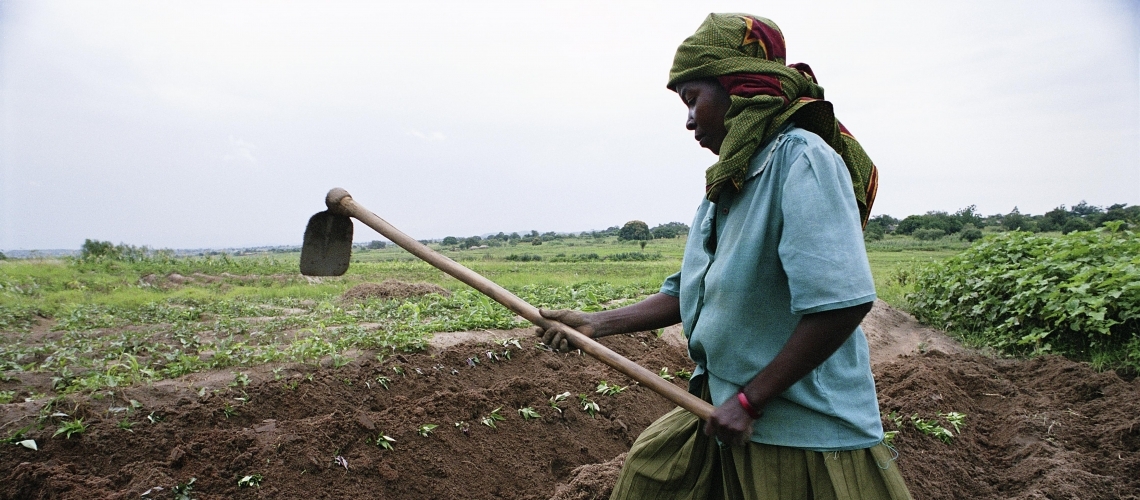 and remain volatile . This poses a serious threat to food security, as the planting season starts this summer. So far, the war in Ukraine has mostly affected countries importing wheat and corn. But many countries, including some major food exporters, are net fertilizer importers. Persistently high fertilizer prices may spread to a broader variety of crops including rice, a staple which has not yet seen war-related price hikes.
eC2: Opportunities and Benefits of Decarbonization through Enhanced Regional Electricity Trade in Central Asia
Deadline: 10-Aug-2022 at 11:59:59 PM (Eastern Time – Washington D.C.)

The objective of this assignment is to review and assess country level energy demand and supply resources for the period of 2022-2060, develop/update regional power system optimization model, examine potential and benefits of electricity trade among Central Asian countries, and identify interconnection upgrades and potential new cross-border transmission projects that would support decarbonization in the region through scaling up of regional electricity trade in Central Asia. The assessment has to be carried out through comparison of the nationally optimized plan and the regionally optimized plan on each countrys generation development, including considering the latest commitments to carbon neutrality/NDCs, as , as well as World Bank Country Climate and Development Reports (CCDR) where applicable, nature of energy security considerations vs integration of regional options.
WBG Procurement Opportunities
Interested in Doing Business with the World Bank Group? Please see selected opportunities below.
Procurement Framework and Regulations for Projects After July 1, 2016 (worldbank.org)
eC2: Consultancy services to Deliver a Gender Capacity Building [ToT] to a team of agronomists in Uganda and Zimbabwe
Deadline: 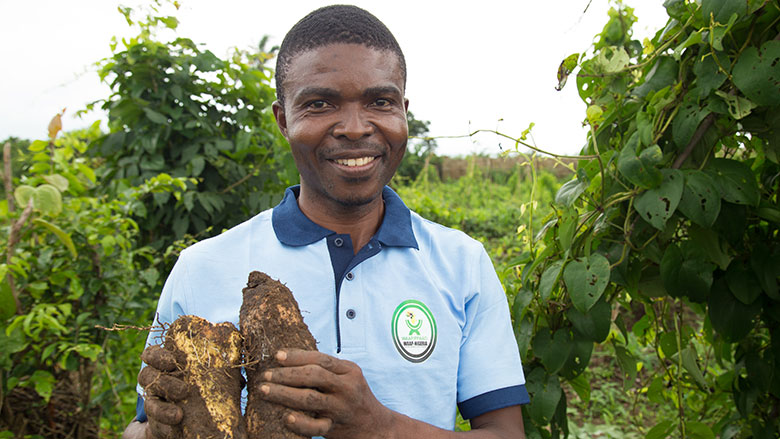 08-Aug-2022 at 11:59:59 PM (Eastern Time – Washington D.C.)
IFC is seeking a firm to support an advisory project in the Rwenzori region of Uganda that will complement an IFC investment transaction. The advisory project will support smallholder farmers to improve coffee production and productivity through the sustained adoption and application of good agronomic practices and enable the Client and its partners to improve the sourcing capacity of high-quality coffee. IFC is therefore seeking a vendor firm to deliver a gender capacity building program [Training of Trainers] to a team of agronomists/field in each of the origin using a transformative change methodology. The training on the gender transformative approach will be delivered by a vendor firm and will target:
up to 23 trainees in Uganda
up to 7 trainees in Zimbabwe
eC2: Technical Assistance Program on Cambodia Sustainable Cities Initiative
Deadline: 04-Aug-2022 at 11:59:59 PM (Eastern Time – Washington D.C.)
The World Bank is providing technical assistance to Cambodias Ministry of Land Management, Urban Planning and Construction (MLMUPC) and Phnom Penh Capital Authority (PPCA) to conduct the Phnom Penh Capital City Diagnostic aimed at updating the Phnom Penh Green City Strategic Plan (the Strategic Plan). The Strategic Plan will identify opportunities for low-carbon and resilient development under climate change. The project is funded by the City Climate Finance Gap Fund, which aims to help cities in low- and middle-income countries transition towards low-carbon and climate-resilient pathways in line with the goals of the Paris Agreement.
We won’t reach our climate goals without cleaner mobility
No scenario to contain global warming is possible without urgent and distinct action in the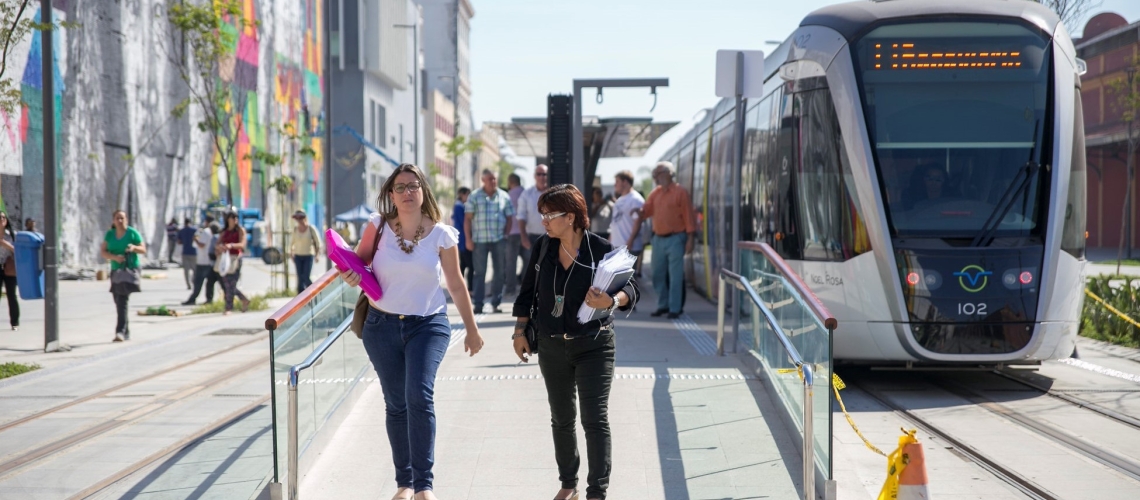 transport sector. This is a sector that is often overlooked in the climate equation, but it shouldn’t be. Currently responsible for 20% of global GHG emissions and rapidly increasing, transport is something that impacts everyone, everywhere.
The good news is that the tools needed to curb emissions from transport already exist. Some of them – such as enhanced public transport options, active mobility, zero-emission vehicles, and green fuels – are being implemented in many countries. Global sales of electric cars doubled between 2020 and 2021, reaching 6.6 million vehicles, nearly 9% of the global auto market.
For poor countries already facing debt distress, a food crisis looms
The war in Ukraine could soon deliver a tragic blow to many of the world’s poorest countries: 
, the World Bank’s latest data show. Over the next year, the tab for imports of wheat, rice, and maize in these countries is expected to rise by the equivalent of more than 1 percent of GDP. That is more than twice the size of the 2021-2022 increase—and, given the relatively small size of these economies, it’s also twice as large as the expected increase for middle-income economies.
WBG Procurement Opportunities
Interested in Doing Business with the World Bank Group? Please see selected opportunities below.
Procurement Framework and Regulations for Projects After July 1, 2016 (worldbank.org)


You must be logged in to post a comment.