
Today marks International Day of Education. It is a day to mobilize political ambition, actions,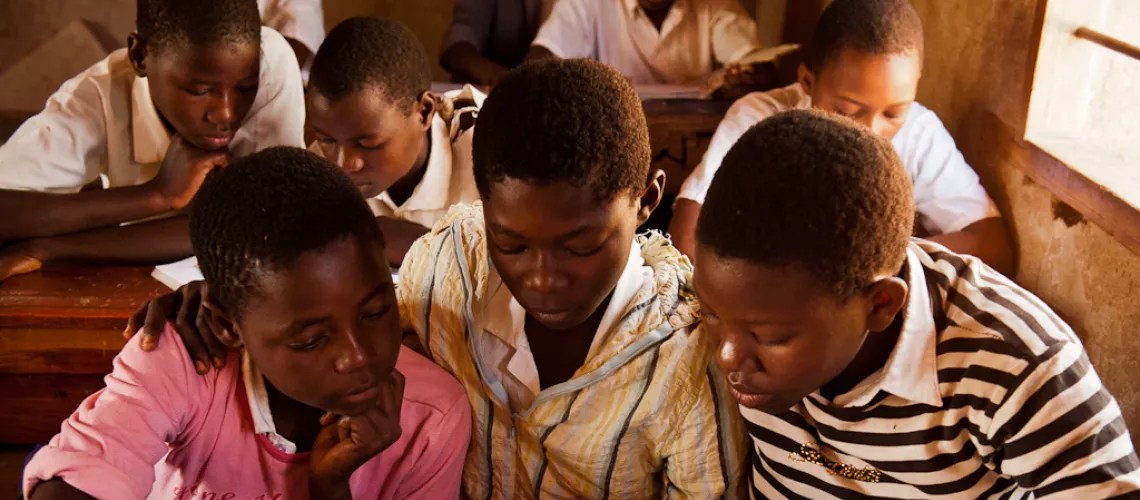 and solutions to recover learning losses due to the pandemic, while recognizing that even before the pandemic, we lived in a learning crisis.
Tag Archives: World Bank Group
Can African trade integration be a game changer?
New World Bank research shows the agreement among 54 countries would likely draw more foreign direct investment, amplifying its benefits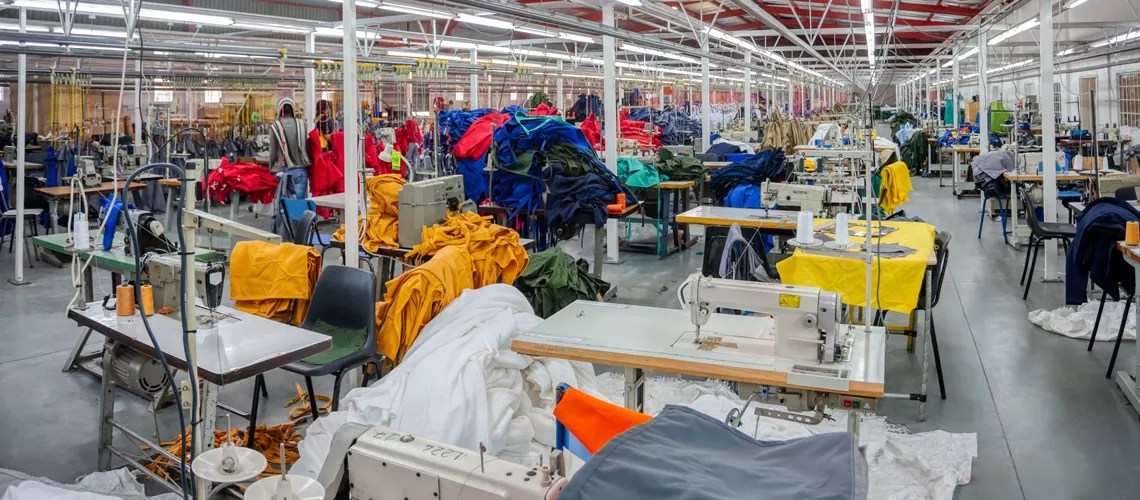
Imagine that a large African textile company wants to set up a new factory in a neighboring country to help establish a regional value chain for its production. It would likely face many months of cumbersome paperwork to obtain the necessary approvals and receive an investor license. Visa restrictions may make it difficult to bring in specialists to train local staff, while other staff may not even be allowed to work because their professional degrees are not recognized. Even after it is operational, the firm’s shipments of components could be hindered by traffic jams at border crossings, duplicative paperwork, and countless rounds of inspections.
WBG Procurement Opportunities
Interested in Doing Business with the World Bank Group? Please see selected opportunities below.
Procurement Framework and Regulations for Projects After July 1, 2016 (worldbank.org)
Newsletter: Netherlands International Development Pulse
We recently published our biannual newsletter:

More can be found: Netherlands International Development Pulse
Social Cohesion and Forced Displacement: A Synthesis of New Research
Global displacement trends are shifting. UNHCR estimates that more than 100 million people around the world were forcibly displaced as of May 2022. Global crises – including climate change, COVID-19, conflict, and rising costs of living – have increased the risk of social tensions and have highlighted the importance of social cohesion.
Watch the global launch of Social Cohesion and Forced Displacement: A Synthesis of New Research. This report synthesizes findings from a joint series of 26 working papers on forced displacement and social cohesion. This analysis offers actionable insights for policymakers and development practitioners on mitigating the negative effects of displacement and effectively promoting social cohesion.
WBG Procurement Opportunities
Interested in Doing Business with the World Bank Group? Please see selected opportunities below.
Procurement Framework and Regulations for Projects After July 1, 2016 (worldbank.org)
FDI drops and MIGA innovates
IFC Insights
Stormy Waters for Business in Emerging Markets
As the sun set on the Landwasser valley in eastern Switzerland and this year’s World Econonomic Forum (WEF) Annual Meeting in Davos, government, business, and civil society leaders from across the globe headed home to promote the forum’s mandate of bold collective action to address ongoing crises.
WBG Procurement Opportunities
Interested in Doing Business with the World Bank Group? Please see selected opportunities below.
Procurement Framework and Regulations for Projects After July 1, 2016 (worldbank.org)
Transforming our food systems for healthy people, environment, and economies
As the world continues to grapple with the food crisis, we need to remember that this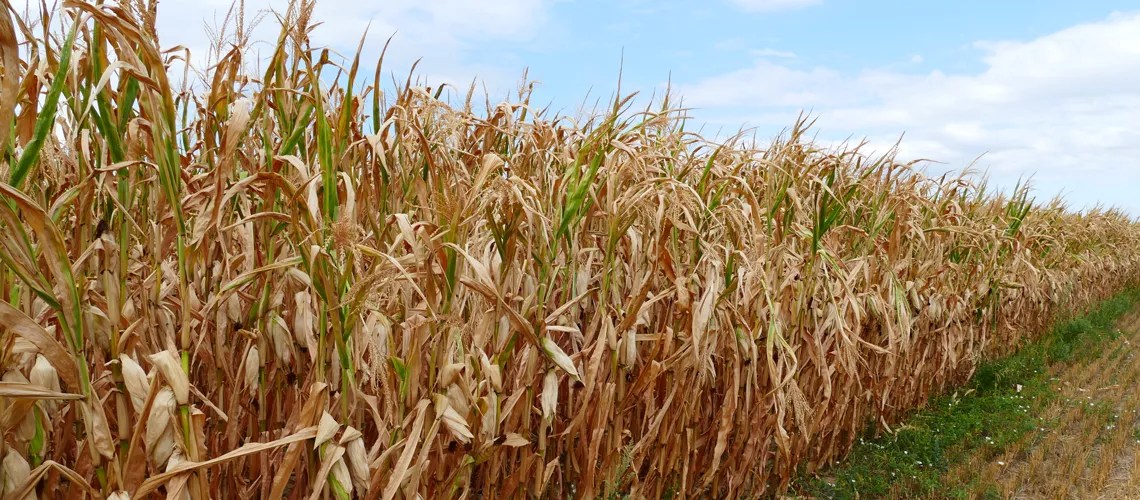 problem didn’t emerge overnight. The war in Ukraine accelerated and triggered more attention to the crisis, but food prices and global hunger were already on the rise even before the war. Climate change, among others, has been a major driver of these worsening trends. Ironically, although global food production has nearly quadrupled between 1961 to 2020 and increased by 50% between 2000 to 2020, more people than ever before are going hungry.
Newsletter: Netherlands International Development Pulse
We recently published our biannual newsletter:
More can be found: Netherlands International Development Pulse


You must be logged in to post a comment.