
Deadline: 07-Nov-2019 at 11:59:59 PM (Eastern Time – Washington D.C.)
The objective of the assignment is to initiate the corporate engagement and awareness strategy through facilitating a high level conference to bringing together support organizations, WSMEs, Corporations, financial institutes and policy makers to created awareness and facilitate market opportunities.
 earthquake, New York after Superstorm Sandy, northeast Nigeria after the worst of the Boko Haram insurgency, and to Somalia and Malawi after devastating droughts and floods delivered destruction on a tragic level. But mere walking through the worst hit areas of Abaco in northern Bahamas in the wake of Hurricane Dorian provided a glimpse of what total devastation really looks like.
 inefficient or inadequate regulation can stifle entrepreneurial activity and business growth and impact the ease of doing business. It takes over 200 hours to complete export border requirements for maritime transport in Cameroon and Côte d’Ivoire. In contrast, it takes only 10 hours in Singapore. Border compliance costs for export at seaports in Gabon average over $1,600, but just over $300 in Mauritius.
 Development Economic Data Group (DECDG) launched a new blog series
 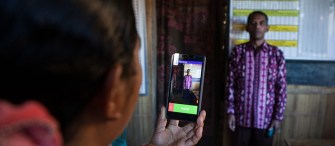 round. It’s Southeast Asia’s biggest economy, boasts the world’s fourth largest population with an archipelago of thousands of tropical islands. Its cultural heritage dates back millennia, and in keeping with the digital wave sweeping the globe, is also home to four unicorns that are leveraging technology to create jobs and improve livelihoods.

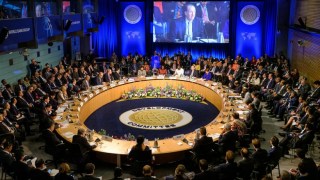 downside risks persisting due to policy uncertainty, trade tensions, financial volatility, and rising debt. The World Bank Group, in cooperation with the International Monetary Fund, can help emerging and low-income countries bolster potential growth, increase their resilience to shocks, boost domestic revenues, and continue building policy buffers. The two organizations have an important role to play in addressing the increase in debt vulnerabilities, and they can help countries meet a range of challenges to the international financial system, including tackling corruption.

You must be logged in to post a comment.