Every year, West Africa sends more than $3.5 billion abroad to buy rice — a staple food that millions of people across the region consume every day. Yet, this is a crop that grows and thrives in the region.
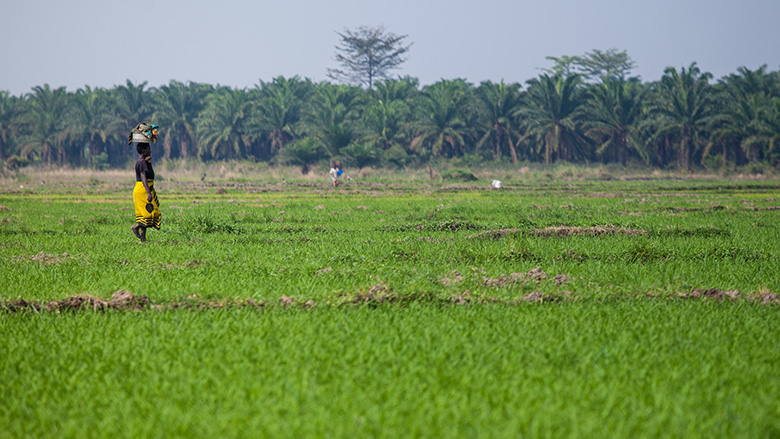

Every year, West Africa sends more than $3.5 billion abroad to buy rice — a staple food that millions of people across the region consume every day. Yet, this is a crop that grows and thrives in the region.
OUAGADOUGOU, September 30, 2025 – A two-day High-Level Forum on Defying Drought (D2) in West Africa concluded today in Ouagadougou with a strong commitment to address the pressing challenges of drought in the region, amid the broader context of climate change and population growth. Senior policymakers from Burkina Faso, Chad, Mali, Mauritania, Niger, and Senegal, joined by technical experts from Morocco and Brazil, as well as regional and international institutions and development partners, came together to advance coordinated and practical solutions to reduce drought-related losses and build climate resilience across the Sahel. Technical sessions showcased regional and global best practices and facilitated the co-design of a roadmap outlining short-, medium-, and long-term policy actions to strengthen drought resilience across West Africa.
Continue reading
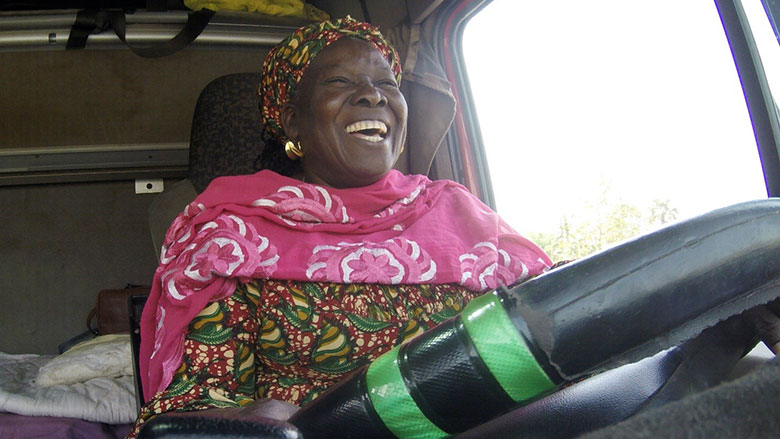
In Gbekon, Benin, summers come with flooding from the Mono River. Erosion of the nearby  coast, along with more unpredictable rainfall, have made these floods worse over time. Each flood cuts access to the only road connecting people to farms, jobs, and public health services and put thousands of lives and livelihoods at risk. In 2020, the World Bank-financed West Africa Coastal Areas Program (WACA) built dikes and instituted other measures to manage river flows and prevent flooding, with the result that more than 3,600 households were less exposed to coastal erosion and flooding.


You must be logged in to post a comment.