
Since 2006, The World Bank’s annual Country Policy and Institutional Assessment (CPIA) Report has been a guide for countries, policymakers, and investors, identifying key trends and best practices that support effective public service delivery and foster a more resilient and prosperous future for Sub-Saharan Africa (SSA). The CPIA is an annual diagnostic tool for SSA countries eligible for financing from the International Development Association (IDA), the part of the World Bank that helps the world’s low-income countries by providing grants and low to zero-interest loans for projects and programs that boost economic growth, reduce poverty, and improve people’s lives. The CPIA Report aims to capture the quality of each country’s policies and institutional arrangements, focusing on the elements within the country’s control. The scores are designed to assess sustainable growth and poverty reduction. The CPIA provides scores for each country, and an overall regional score, on a scale of 1 (lowest) to 6 (highest) in four clusters: economic management, structural policies, social inclusion and equity policies, and public sector management and institutions. The scores inform governments of the impact of each country’s efforts to support inclusive growth and poverty reduction, and the overall score helps determine the size of the World Bank’s concessional lending and grants to low-income SSA countries. The report includes scores for IDA-eligible countries and acts as a touchstone for country monitoring and regional best practices.
Continue readingTag Archives: Jobs
Bangladesh: Bold, Urgent Reforms Can Accelerate Inclusive Growth, Create Jobs
DHAKA, July 16, 2025—The World Bank Vice President for South Asia, Johannes Zutt, concluded his first official visit to Bangladesh today, reaffirming the World Bank’s continued commitment to help the country address its development priorities and to support the people of Bangladesh.
Continue readingReforms to Boost Job Creation Could Help Transform the Philippines into a Middle-Class Society by 2040
MANILA, July 15, 2025 – Strategic reforms that enhance foundational investments in connectivity and human capital, promote smarter regulations and competition, and mobilize private investments for stronger job creation could propel the Philippines closer to a 7-percent growth trajectory, transforming it into a middle-class society by 2040.
Continue readingJobs: The Most Effective Pathway Out of Poverty
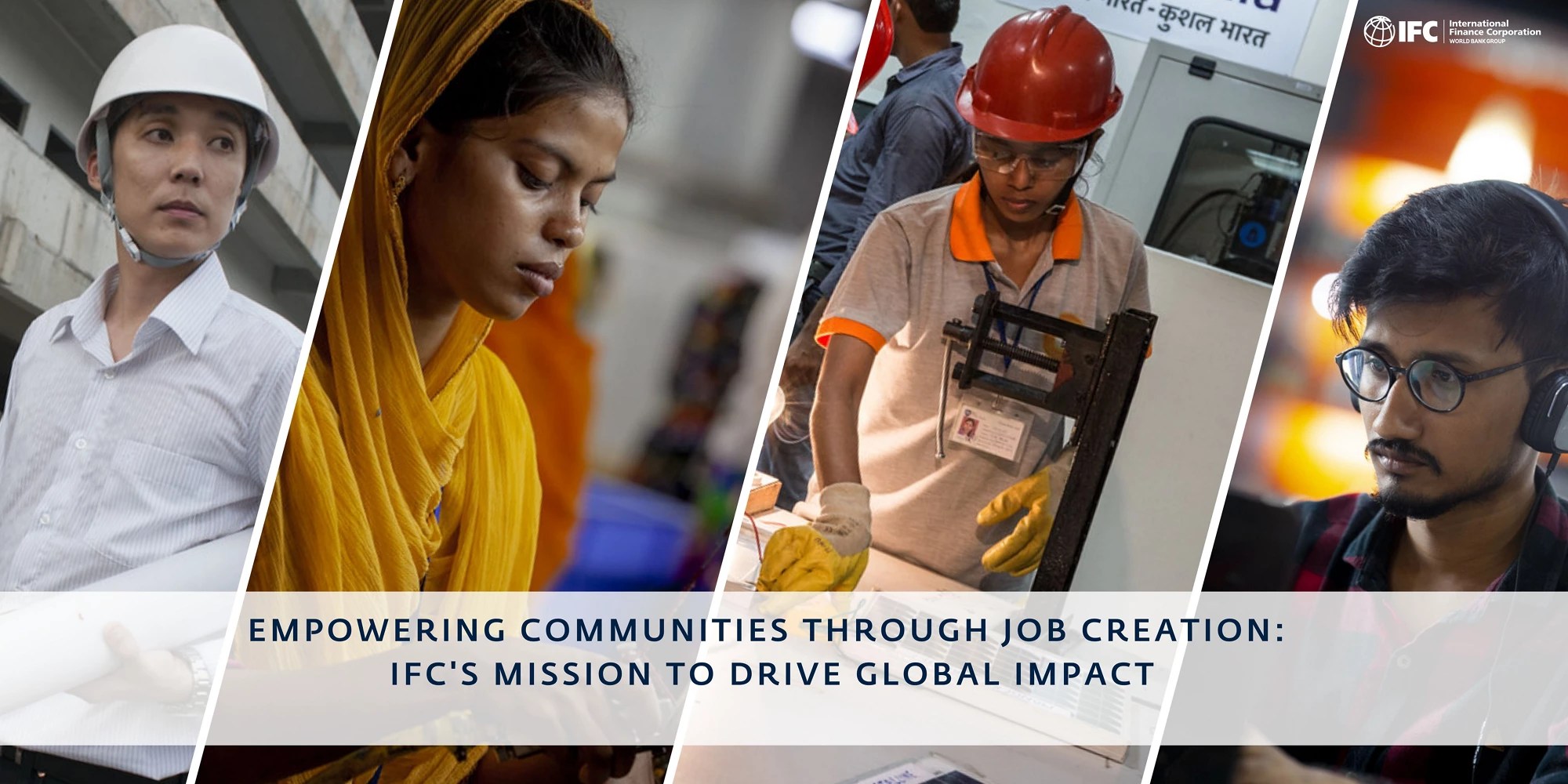
More than just a source of income, jobs provide dignity and purpose. Giving people the means to support themselves and their families can help lift entire communities out of poverty and foster economic stability.
Continue readingBetter Jobs: Evidence from the Life in Transition Survey

Jobs are the surest path out of poverty, but not all jobs are the same. “Good jobs” provide not only income but also stability, security, and benefits that enhance well-being and strengthen communities.
These distinctions became evident in the latest Life in Transition Survey (LiTS) conducted by the European Bank for Reconstruction and Development (EBRD) in collaboration with the World Bank. More than half (54%) of respondents identified sufficient income as the most important characteristic of a good job, followed by job stability (23%), good working conditions (11%), and benefits (5%). Yet these features are often missing in the widespread informal employment found across Europe and Central Asia (ECA), and the Middle East and North Africa (MENA).
Continue readingBeyond the numbers: Key trends reshaping Latin American jobs

Jobs are the main driver of poverty reduction. They help build more resilient and self-sufficient societies, reduce the need for humanitarian aid, and address the root causes of unrest and migration. Jobs were the key to fighting poverty in Latin America during its last period of sustained poverty reduction (2009-2014): strong employment creation and wage growth drove two-thirds of the decrease in poverty rates. After this prosperous timeframe, both poverty and labor market conditions have remained largely stagnant across the region (COVID-19 aside).
Continue readingThe hidden jobs engine: unleashing the potential of agriculture in sub-Saharan Africa
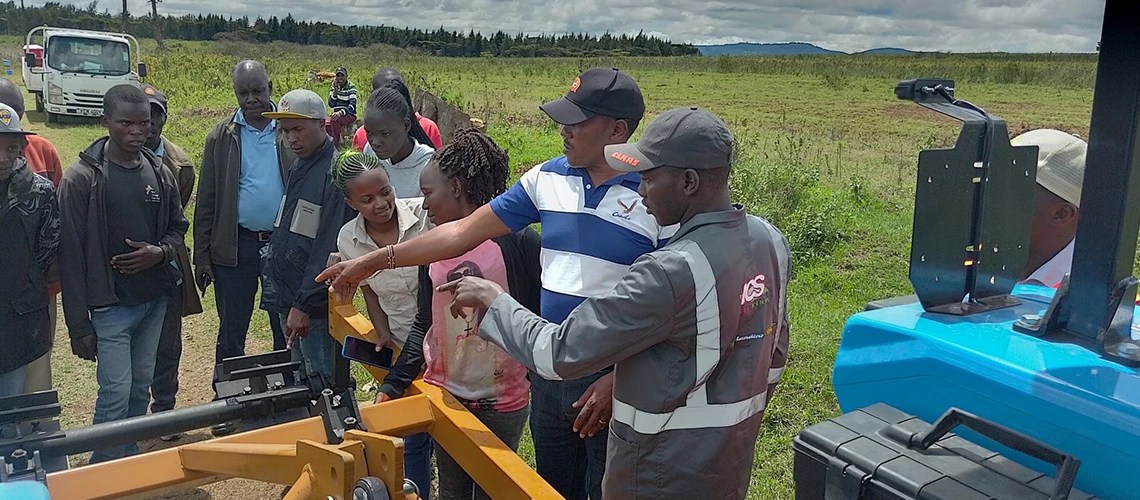
A common misunderstanding persists about job creation in Africa. Many envision cities as the epicenters of economic opportunity. Yet for millions in Sub-Saharan Africa, the path to decent work still winds through agriculture. With youth unemployment rising and cities unable to absorb the growing labor force, agriculture—still the region’s largest employer—must be transformed into a more productive, appealing, and innovative sector.
Continue readingDIGITAL PATHWAYS FOR JOB CREATION

DIGITAL PATHWAYS FOR JOB CREATION
📅 FRIDAY, APRIL 25 | 12:00 PM* – 1:30 PM ET | PRESTON AUDITORIUM
You are invited to participate in this invitation-only event during the 2025 Spring Meetings of the World Bank Group & IMF.
OVERVIEW OF THE SESSION
Join us for this event to explore how digital transformation is reshaping the global job market. Learn how governments and the private sector are closing skills gaps, preparing workers for the future, and adapting regulatory frameworks to support inclusive, resilient economies. Hosted by the World Bank Group’s Digital and ITS Vice Presidencies, the event will spotlight the transformative power of technology in shaping the future of work.
*Light lunch will be available starting at 11:30 am.
Spring Meetings 2015
SPRING MEETINGS 2025
Jobs – The Path to Prosperity
Tuesday, April 22, 2025
2:00-3:30 PM EDT/GMT-4 (local time)
Event | Spring Meetings 2025: Jobs – The Path to Prosperity | World Bank Live
This event tackles one of the defining and complex challenges of our time: how to meet the stable employment aspirations of the developing world’s fast-growing youth population.
Through powerful stories of young entrepreneurs, dialogue with private sector executives, and insights from World Bank Group leadership, the session will explore how to energize the creation of more and better jobs. From innovation to investment, skills to sectors, this event will be a moment to catalyze collective action for a future where every young person has a pathway to decent work.
The event will take place on April 22 at the World Bank headquarters in Washington, D.C. and will be broadcast on World Bank Live with interpretation in Arabic, French and Spanish.
Spring Meetings 2015
SPRING MEETINGS 2025
Jobs – The Path to Prosperity
Tuesday, April 22, 2025
2:00-3:30 PM EDT/GMT-4 (local time)
Event | Spring Meetings 2025: Jobs – The Path to Prosperity | World Bank Live
This event tackles one of the defining and complex challenges of our time: how to meet the stable employment aspirations of the developing world’s fast-growing youth population.
Through powerful stories of young entrepreneurs, dialogue with private sector executives, and insights from World Bank Group leadership, the session will explore how to energize the creation of more and better jobs. From innovation to investment, skills to sectors, this event will be a moment to catalyze collective action for a future where every young person has a pathway to decent work.
The event will take place on April 22 at the World Bank headquarters in Washington, D.C. and will be broadcast on World Bank Live with interpretation in Arabic, French and Spanish.
 Netherlands for the World Bank
You must be logged in to post a comment.