
Tag Archives: IFC
Global Growth Is Stabilizing but at a Weak Level | World Bank Expert Answers
Growth Stabilizing But at a Weak Pace
Despite an improvement in near-term prospects, the global outlook remains subdued by historical standards. In 2024-25, growth is set to underperform its 2010s average in nearly 60 percent of economies, comprising over 80 percent of the global population. Downside risks predominate, including geopolitical tensions, trade fragmentation, higher-for-longer interest rates, and climate-related disasters. Global cooperation is needed to safeguard trade, support green and digital transitions, deliver debt relief, and improve food security. In EMDEs, public investment can boost productivity and catalyze private investment, promoting long-run growth. Comprehensive fiscal reforms are essential to address ongoing fiscal challenges in small states, including those arising from heightened exposure to external shocks.
8 Billion Reasons: Inclusive Finance as a Catalyst for Climate Action
“Inclusive finance has a unique and critical role to play in ensuring that climate finance makes its way into the hands of the most vulnerable and empowers them to act… Given the increasing scale and frequency of climate shocks, now is the time for united action to make inclusive finance a corner-stone of climate response, creating a more sustainable future for those most affected by climate change.”
— H.M. Queen Máxima of the Netherlands, United Nations Secretary-General’s Special Advocate for Inclusive Finance for Development, and Ajay Banga, President, World Bank Group
Board Approves World Bank’s Role as Host and Trustee for the Fund for Responding to Loss and Damage
Historic Fund will assist developing countries hit by adverse effects of climate change.
WASHINGTON, June 10, 2024—The World Bank’s Board of Executive Directors today approved the World Bank’s role as interim secretariat host and trustee of a fund for responding to loss and damage caused by climate change.
Tipping the scales: AI’s dual impact on developing nations
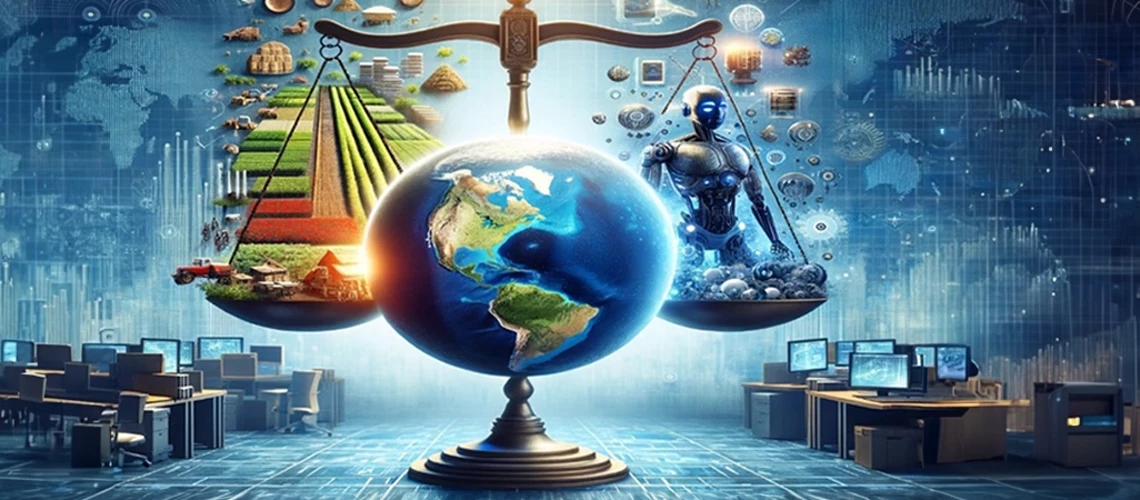
Artificial Intelligence (AI) is transforming our world, and its potential to reshape development, especially in emerging markets and developing economies, is nothing short of revolutionary. But this isn’t just about getting AI to help with scheduling or recipe recommendations, it’s about real change, real challenges, and monumental opportunities.
Continue readingHow resilient ports can mitigate global supply chain disruptions
Imagine stopping by your favorite grocery store only to find barren shelves and shockingly high prices. This scenario is not as unlikely as you might think. Global supply chains, largely unseen by ordinary consumers, work 24/7 across the globe to ensure that products are available at reasonable prices.
Observing World Menstrual Hygiene Day: Understanding the struggles through data
On May 28, we mark World Menstrual Hygiene Day, a time to spotlight the importance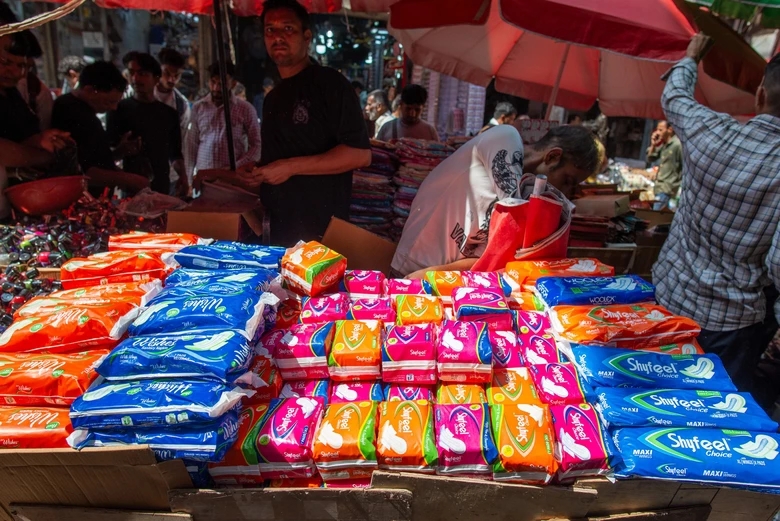 of menstrual health, which must be recognized as the complete physical, mental, and social well-being of women and girls in relation to the menstrual cycle. Menstrual hygiene is the ability of women and adolescent girls to manage their menstruation in a hygienic manner, with dignity, using clean menstrual absorbents, and having access to facilities for changing in privacy, as well as for washing their bodies and hands.
Global entrepreneurship trends in 5 charts
Entrepreneurship plays a crucial role in economic development. Understood as the activities of an individual or a group of individuals aimed at initiating an economic enterprise, entrepreneurship creates jobs, fosters innovation, improves productivity. However, disparities exist between the economies worldwide when it comes to entrepreneurship. Which economies have the highest rates of entrepreneurship? How have entrepreneurship rates evolved in recent years?
Continue readingTo tackle climate change, governments increasingly turn to green subsidies

Given the global concern about the existential threat posed by climate change, government subsidies aimed at spurring green technologies and the green transition—from solar panels to electric vehicles—can play a greater role. And the number of subsidies with green objectives is indeed increasing, according to the World Bank’s new Green Subsidies Database.
Continue reading Netherlands for the World Bank
You must be logged in to post a comment.