
Technology and the internet are probably the first things that come to mind when you  think about the future of work for young people; not agriculture or farming. This makes historic sense, as agriculture sheds labor when countries develop. And the traditional ways of producing food do not look particularly sexy. Yet, technology and the internet are also opening up opportunities for agriculture, and urbanization and changing diets are calling for new ways to process, market and consume our foods. So, can agriculture provide job opportunities for youth?
Tag Archives: Farming
Can a Nation Build its Future if it Cannot Feed its Children? Five Policy Actions to Transform Crop and Livestock Farming in Mali
Article published on http://www.worldbank.org on December 9, 2016
STORY HIGHLIGHTS
- Mali has one of the highest rates of acute malnutrition in West Africa.
- With 40 million hectares of arable land, the largest irrigation capacity in the Sahelian region (560,000 hectares), and 300 days of sunshine a year, Mali should leverage the agricultural sector to roll back malnutrition and poverty.
- New agricultural development policies would prepare the country for the foreseeable impacts of climate change on livestock and crop productivity.
eC2:Smallholder farmer training
Deadline: 29-Sep-2016 at 11:59:59 PM (Eastern Time – Washington D.C.)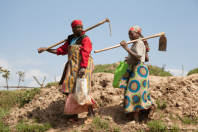
Provide training to smallholder farmers living in Ile District, Zambezia Province on fire control and management (for 6,500 farmers) and conservation agriculture (for a subset of 2,500 farmers). Provide planting seed and disease resistant cassava stalks to 2,500 farmers.
Ecuador Sustainable Family Farming Modernization Project – Update
On Tuesday, June 30 we reported about the Ecuador Sustainable Family Farming Modernization Project that would be discussed in the Board of Directors. The project is now approved.
The Project development objective is to enhance incomes of small and medium sized farm households by supporting more productive and climate-smart use for land and water.
Component 1: Investments for climate-smart sub-projects – $106.80m
Component 2: Capacity building for institutional stakeholders and beneficiaries’ organizations – $6.30m
Component 3: Project Management – $15.5m Continue reading


You must be logged in to post a comment.