Lighting Up Eastern Africa: How Greater Access to Energy is Creating Jobs and Improving Public Services in Rural Ethiopia

STORY HIGHLIGHTS

  • Ethiopia has made significant progress in energy access in recent years; however, despite a 94% electrification rate in urban areas, around 60 million Ethiopians remain without electricity access.
  • The World Bank-supported Ethiopia Electrification Program (ELEAP), has facilitated nearly 1.3 million on-grid connections, providing electricity to about 6.3 million people, and more than 19,000 public facilities such as schools, healthcare centers, and administrative government buildings, across Ethiopia.
  • ELEAP has supported the installation of 11 mini-grids, bringing electricity to nearly 20,000 people in isolated communities, promoting social and economic growth, and particularly benefiting rural women.
Continue reading

Transforming Education Across Eastern and Southern Africa

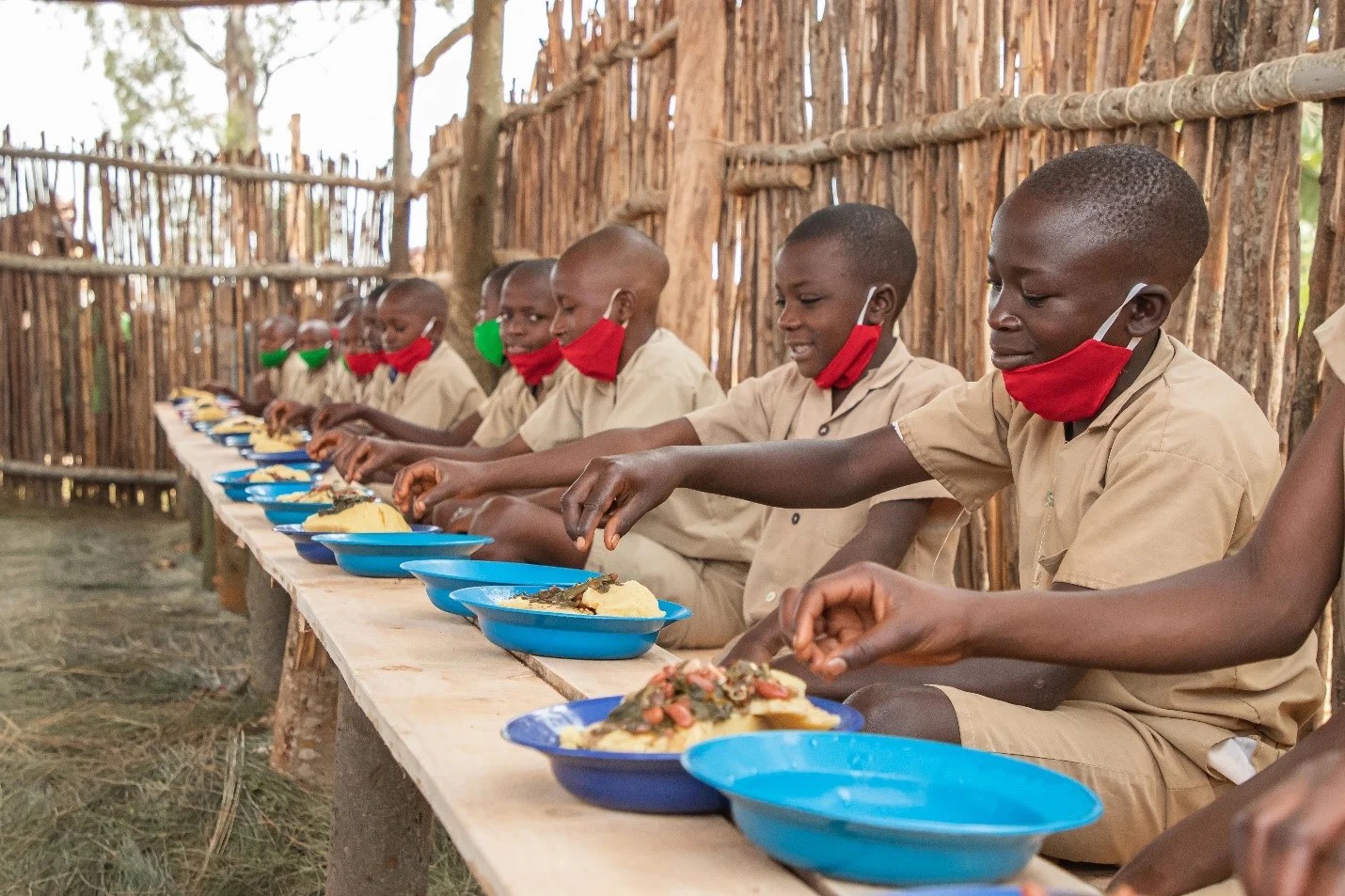
Expand Systems, Equip with Skills, Empower Allburundi-3-1430x953Building forward-thinking systems to turn the tide on learning poverty

In Eastern and Southern Africa, about 89% of ten-year-old children are unable to read and understand a short text, reflecting a high percentage of learning poverty that was exacerbated during the pandemic. Globally, Sub-Saharan Africa continues to have the lowest participation rate in tertiary education despite enrollment doubling globally between 2000 and 2013 across all regions of the world. And in many parts of the region, especially the fragile and conflict-prone countries, societal barriers continue to persist, keeping many girls and boys out of school and preventing women especially from being educated and becoming equal members of society.

Continue reading